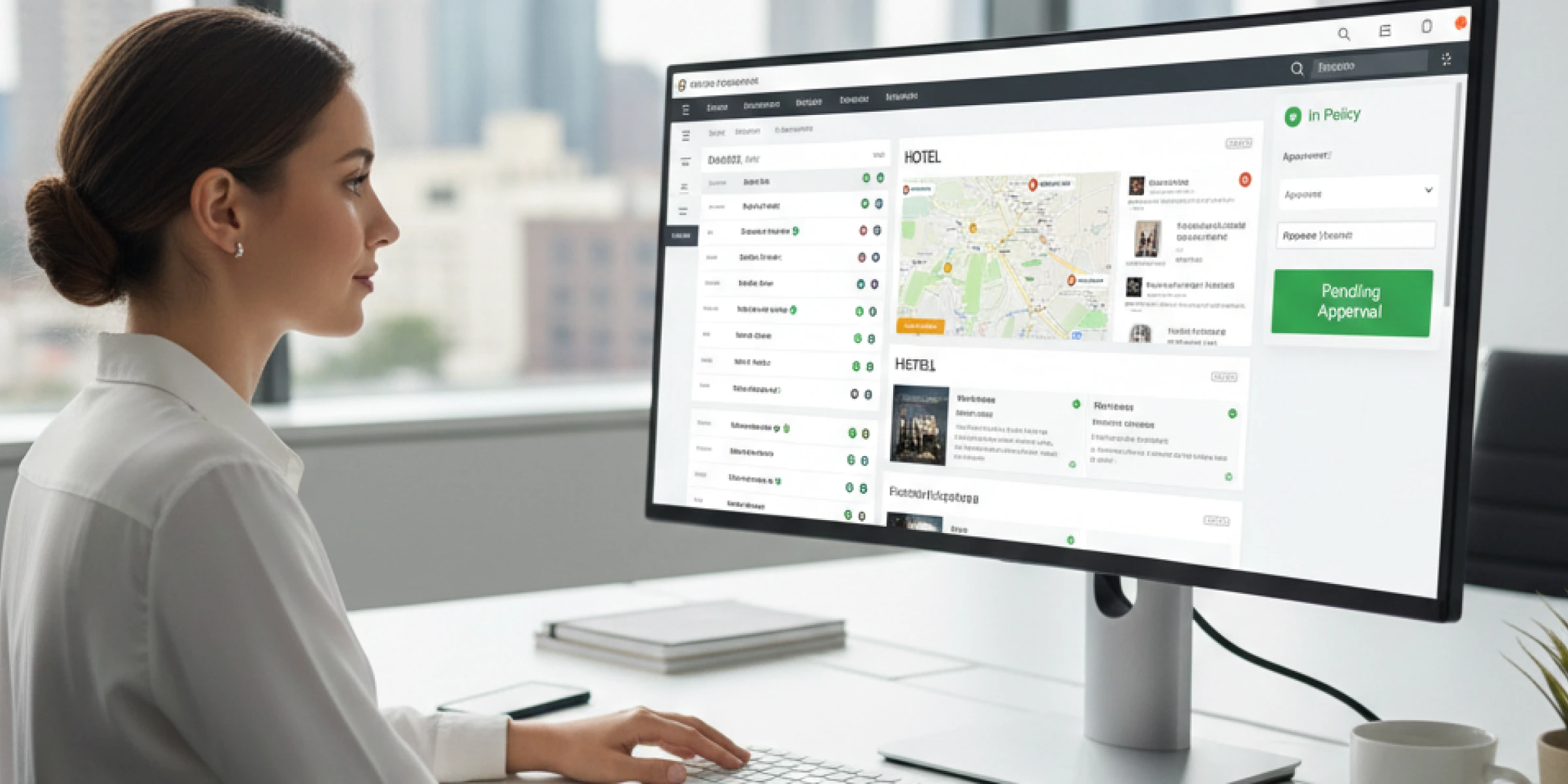

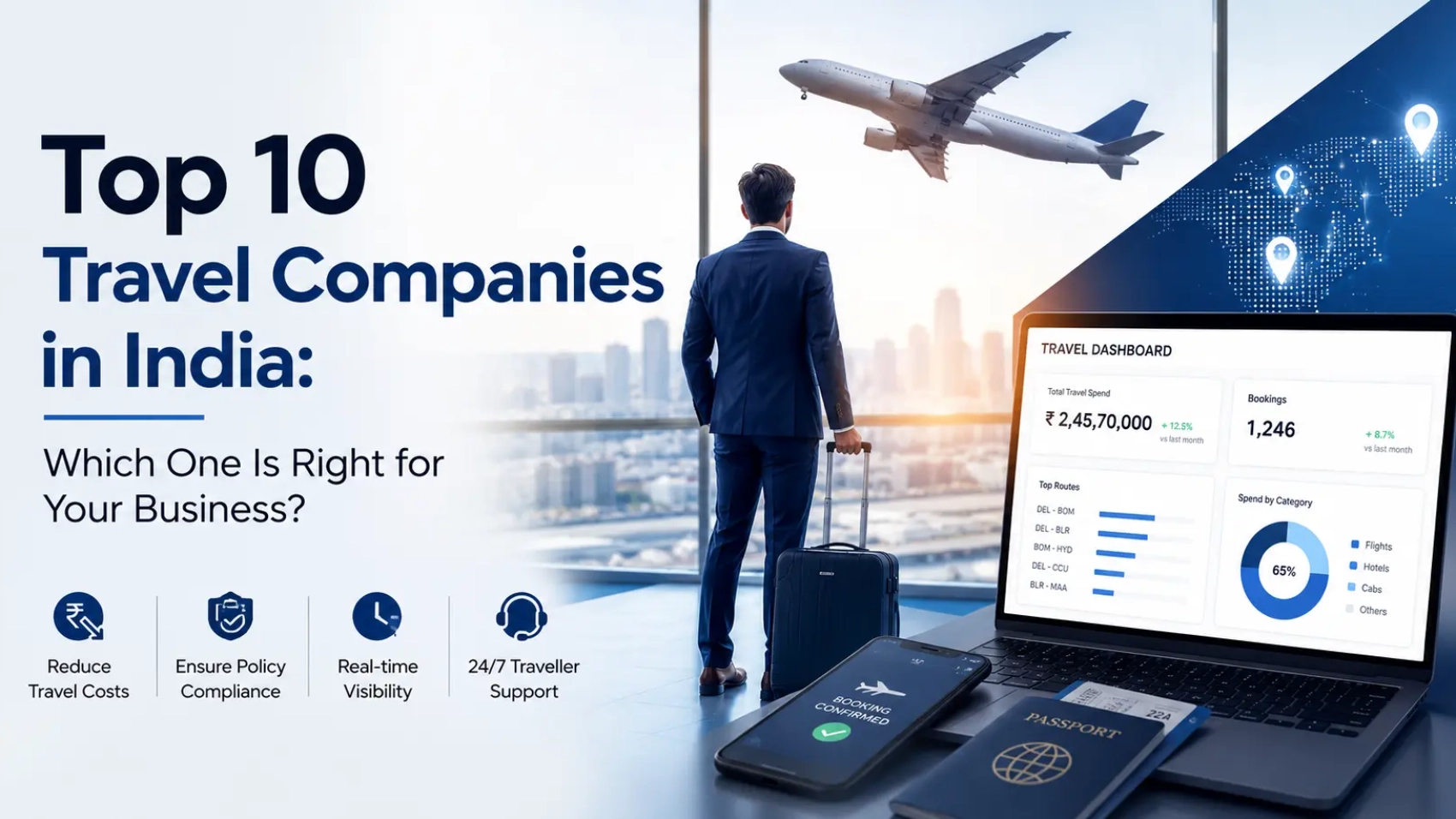
Choosing a travel company has become a strategic business decision. While booking flights and hotels is easy, managing business travel efficiently is much more complex. Companies today need travel partners that can control costs, enforce travel policies, simplify approvals, provide real-time support, and deliver meaningful travel insights.
Common business travel pain points include:
- Employees booking outside approved channels
- Limited visibility into travel spend
- Manual approval and reimbursement processes
- Difficulty managing GST invoices and compliance
- Last-minute travel disruptions with limited support
The right travel company can solve these challenges while helping businesses improve traveller experience and reduce operational costs.
In this guide, we compare ten leading travel companies in India based on their corporate travel capabilities, technology, customer support, and suitability for different business sizes.
What Should Businesses Look for in a Travel Company?
Before comparing providers, it’s important to understand what separates a traditional travel company from a modern corporate travel partner.
Consider the following factors:
- Corporate booking capabilities
- Travel policy management
- Automated approval workflows
- Expense and GST reporting
- AI-powered fare optimisation
- MICE and group travel support
- Dedicated account management
- Real-time traveller assistance
- Reporting and travel analytics
- Scalability as your business grows
Choosing the cheapest option may save money initially, but the right platform often delivers greater long-term value through better compliance and operational efficiency.
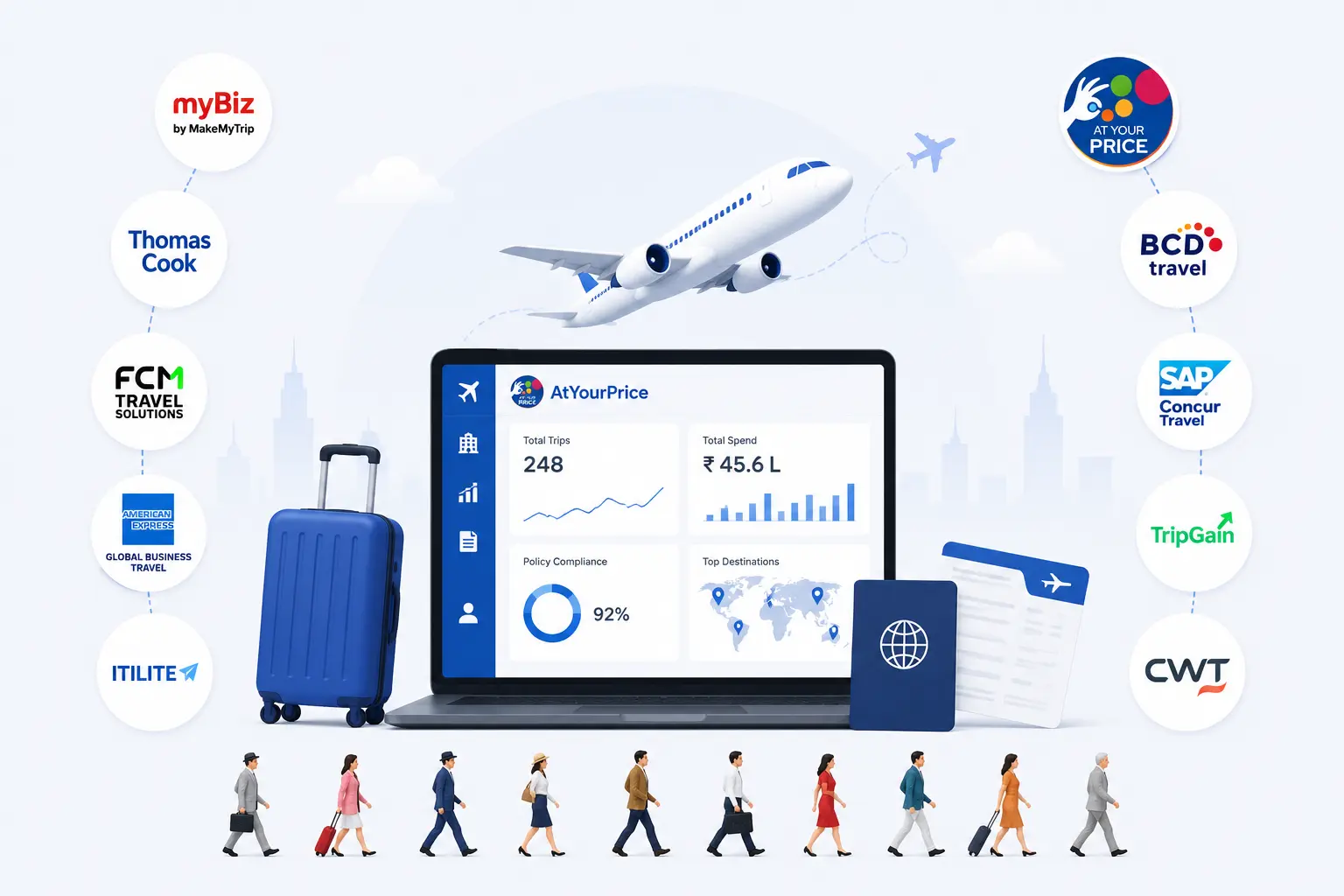
Comparison at a Glance
Travel Company | Best For | Corporate Travel | Technology | International Support |
AtYourPrice | Large Enterprises & Growing Businesses | ★★★★★ | AI-powered | Yes |
ITILITE | Mid-size businesses | ★★★★★ | Excellent | Yes |
myBiz by MakeMyTrip | SMEs | ★★★★☆ | Excellent | Limited |
Thomas Cook India | Large enterprises | ★★★★☆ | Very Good | Yes |
FCM Travel India | Global enterprises | ★★★★★ | Excellent | Yes |
American Express GBT | Multinational companies | ★★★★★ | Excellent | Yes |
CWT India | Enterprise travel | ★★★★★ | Very Good | Yes |
BCD Travel | Large organisations | ★★★★★ | Excellent | Yes |
SAP Concur Travel | Companies using SAP | ★★★★☆ | Excellent | Yes |
TripGain | Digital-first businesses | ★★★★☆ | Very Good | Yes |
Top 10 Travel Companies in India
1. AtYourPrice
Best for: Growing businesses, large MNCs and enterprises looking for an intelligent corporate travel platform.
AtYourPrice combines AI-driven technology with end-to-end travel management to simplify business travel. Instead of relying on multiple vendors for bookings, approvals, reporting, and expense visibility, organisations can manage everything through a single platform.
Key Features
- AI-powered fare optimisation
- Corporate flight and hotel bookings
- Automated approval workflows
- Real-time travel dashboards
- GST-compliant invoicing
- Corporate fare management
- Travel spend analytics
- MICE and group booking support
Why Businesses Choose AtYourPrice
Businesses gain better visibility into travel spending while reducing manual work for finance, HR, and travel administrators. Its real-time reporting also makes it easier to identify savings opportunities and maintain policy compliance.
2. ITILITE
Best for: Fast-growing companies looking for an automated travel and expense solution.
ITILITE focuses on improving business travel through automation and intelligent recommendations. The platform combines travel booking with expense management, helping companies reduce administrative effort.
Strengths
- Integrated travel and expense management
- Automated approvals
- AI-based travel recommendations
- Rewards for policy-compliant bookings
- Real-time reporting
Considerations
ITILITE is well suited for organisations adopting digital travel processes, particularly those with frequent domestic and international travel.
3. myBiz by MakeMyTrip
Best for: Small and medium-sized businesses.
myBiz is the corporate travel solution from MakeMyTrip, offering businesses access to its extensive travel inventory alongside corporate travel features.
Strengths
- Large domestic flight inventory
- Hotel booking network
- Expense reporting
- Approval workflows
- Dedicated corporate support
Considerations
It works well for SMEs that want a familiar booking experience while introducing basic travel management capabilities.
4. Thomas Cook India
Best for: Large organisations requiring comprehensive travel services.
Thomas Cook India has decades of experience managing corporate travel. In addition to business travel, it provides foreign exchange, visa assistance, travel insurance, and MICE services.
Strengths
- Corporate travel expertise
- International travel support
- Visa services
- Forex solutions
- Meetings and event management
Considerations
Companies looking for a traditional travel management partner with a broad service portfolio often consider Thomas Cook India.
5. FCM Travel India
Best for: Organisations with global travel requirements.
FCM Travel is part of one of the world’s largest travel management networks. It serves multinational companies through customised travel programmes and dedicated account management.
Strengths
- Global travel management
- Policy consulting
- Traveller safety solutions
- Advanced reporting
- International supplier network
Considerations
FCM is particularly suitable for enterprises with significant international travel volumes.
6. American Express Global Business Travel
Best for: Multinational corporations.
American Express Global Business Travel offers enterprise-grade travel management backed by global infrastructure and technology.
Strengths
- Worldwide travel support
- Advanced analytics
- Risk management
- Traveller tracking
- Dedicated travel consultants
Considerations
Its solutions are generally designed for organisations with complex international travel programmes.
7. CWT India
Best for: Large enterprises with frequent domestic and international travel.
CWT (formerly Carlson Wagonlit Travel) is one of the world’s leading business travel management companies. It helps organisations manage travel programmes at scale through technology, consultancy, and traveller support.
Strengths
- Enterprise travel management
- Global booking network
- Traveller risk management
- Travel policy consulting
- Data-driven reporting
Considerations
CWT is a strong choice for organisations with mature travel programmes and complex operational requirements.
8. BCD Travel
Best for: Businesses seeking customised travel management.
BCD Travel specialises in helping organisations optimise travel spend while improving traveller experience. Its services include strategic consulting, travel analytics, supplier management, and duty of care.
Strengths
- Custom travel programmes
- Travel data analytics
- Supplier negotiations
- Global support network
- Sustainability reporting
Considerations
BCD Travel is particularly suited to businesses looking for a strategic travel management partner rather than just a booking provider.
9. SAP Concur Travel
Best for: Companies already using SAP’s finance and expense solutions.
SAP Concur integrates travel booking with expense management and financial reporting, creating a connected workflow from trip planning to reimbursement.
Strengths
- Travel and expense integration
- Automated approvals
- Policy enforcement
- Mobile expense management
- Financial reporting
Considerations
Businesses already using SAP products can benefit from seamless integration across finance and travel operations.
10. TripGain
Best for: Digital-first organisations looking for automation.
TripGain combines AI, automation, and travel management into a single platform designed for modern businesses.
Strengths
- AI-powered booking recommendations
- Automated workflows
- Expense management
- Travel analytics
- Corporate travel dashboards
Considerations
TripGain appeals to organisations prioritising automation and self-service travel management.
Which Travel Company Is Right for Your Business?
There is no single “best” travel company. The right choice depends on your organisation’s size, travel volume, and operational priorities.
For Startups and SMEs
Look for providers that offer:
- Easy online booking
- Automated approvals
- Affordable pricing
- Travel policy controls
- Basic reporting
Solutions like AtYourPrice, ITILITE, and myBiz by MakeMyTrip are well suited to growing businesses that need efficiency without unnecessary complexity.
For Mid-Sized Businesses
As travel volumes increase, companies benefit from:
- Centralised travel management
- Spend visibility
- GST-compliant invoicing
- Travel analytics
- Dedicated account support
A platform that combines technology with responsive service can help finance, HR, and travel teams stay in control.
For Large Enterprises
Enterprise organisations typically require:
- Global travel coverage
- Advanced reporting
- Traveller risk management
- Supplier negotiations
- Policy consulting
- 24/7 traveller support
Providers such as FCM Travel, American Express Global Business Travel, BCD Travel, and CWT are designed to support complex travel programmes.
Common Mistakes Businesses Make When Choosing a Travel Company
Selecting a travel partner based solely on airfare discounts can create long-term operational challenges.
Avoid these common mistakes:
Choosing Based Only on Price
The lowest booking price does not always deliver the lowest total travel cost. Consider reporting, compliance, traveller support, and operational efficiency.
Ignoring Technology
Manual booking processes, email approvals, and spreadsheet reporting consume valuable time.
Modern travel platforms automate routine tasks and improve visibility.
Overlooking Policy Management
Without built-in policy controls, businesses often experience higher travel costs and lower compliance.
Not Planning for Growth
A provider that works for a 50-person company may not meet the needs of a 500-person organisation.
Choose a travel company that can scale with your business.
Frequently Asked Questions
Which is the best travel company in India for businesses?
The answer depends on your requirements. Businesses should evaluate travel companies based on technology, reporting capabilities, customer support, policy management, and scalability rather than brand recognition alone.
What is the difference between a travel agency and a travel management company?
Traditional travel agencies primarily focus on bookings, while travel management companies provide broader services such as travel policy enforcement, expense reporting, analytics, approvals, and traveller support.
How do travel management companies reduce business travel costs?
They help businesses negotiate better rates, improve policy compliance, automate approvals, reduce out-of-policy bookings, and provide insights through travel analytics.
What features should businesses look for in a corporate travel platform?
Important features include:
- Centralised booking
- Automated approval workflows
- Real-time reporting
- GST-compliant invoicing
- Travel dashboards
- Expense integration
- Traveller support
- Policy management
Is an AI-powered travel platform better than traditional booking methods?
AI-powered platforms can recommend cost-effective options, automate repetitive tasks, identify savings opportunities, and provide real-time travel insights, making them increasingly valuable for businesses managing frequent travel.
Final Thoughts
India’s travel industry offers businesses more choice than ever before. From traditional travel management companies to AI-powered platforms, organisations can select solutions that align with their size, travel volume, and operational goals.
When evaluating providers, look beyond flight bookings and hotel reservations. Consider how well a travel company supports compliance, reporting, approvals, traveller experience, and long-term cost optimisation. These capabilities have become essential as businesses seek greater control over corporate travel.
For organisations that want a modern, technology-first approach, AtYourPrice brings together intelligent booking, automated workflows, real-time analytics, and policy management in one unified platform. Instead of managing multiple tools and disconnected processes, your teams can handle every aspect of business travel through a single solution.
Ready to simplify your corporate travel programme? Book a demo with AtYourPrice today and discover how AI-powered travel management can help your business reduce costs, improve compliance, and deliver a better travel experience for every employee.