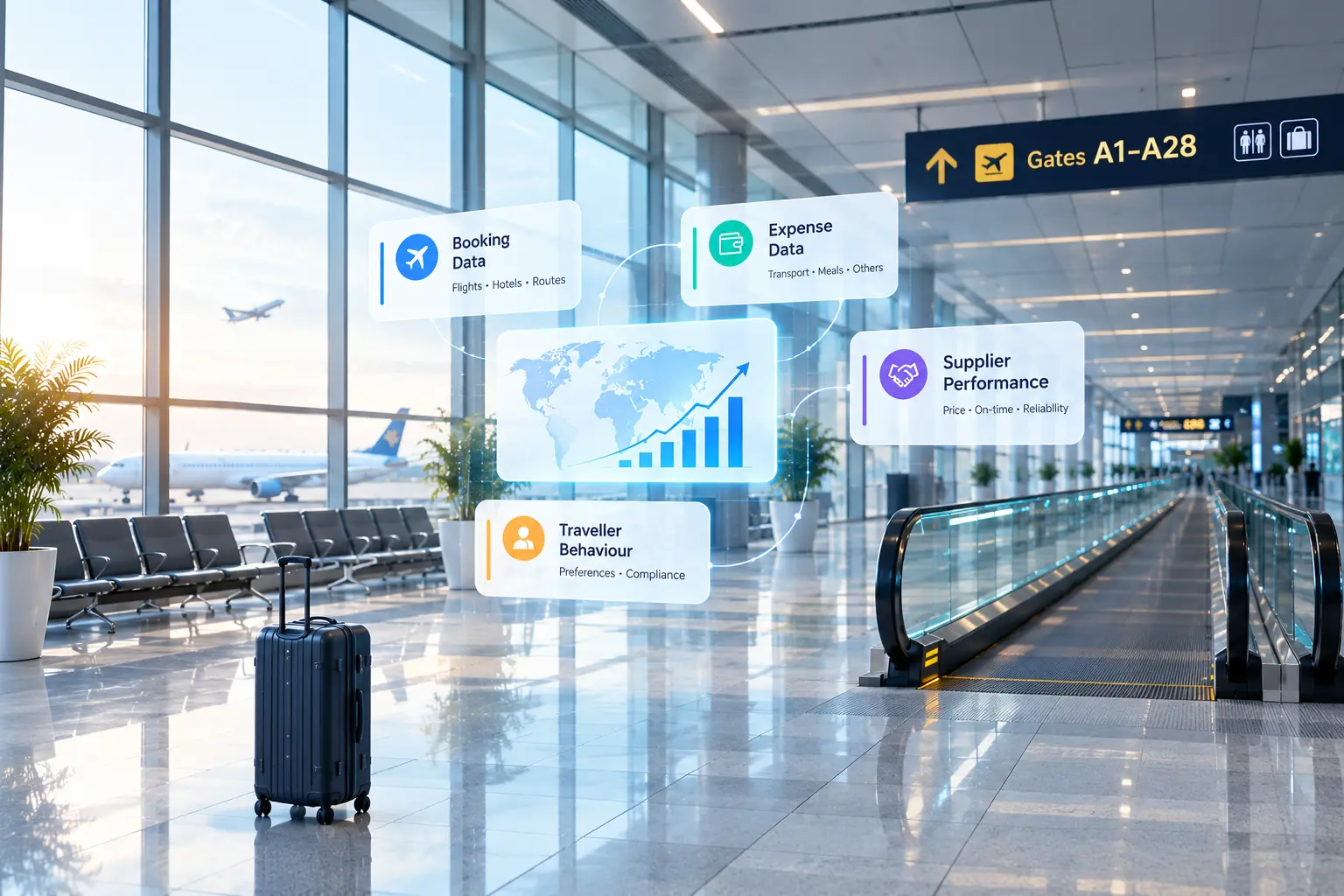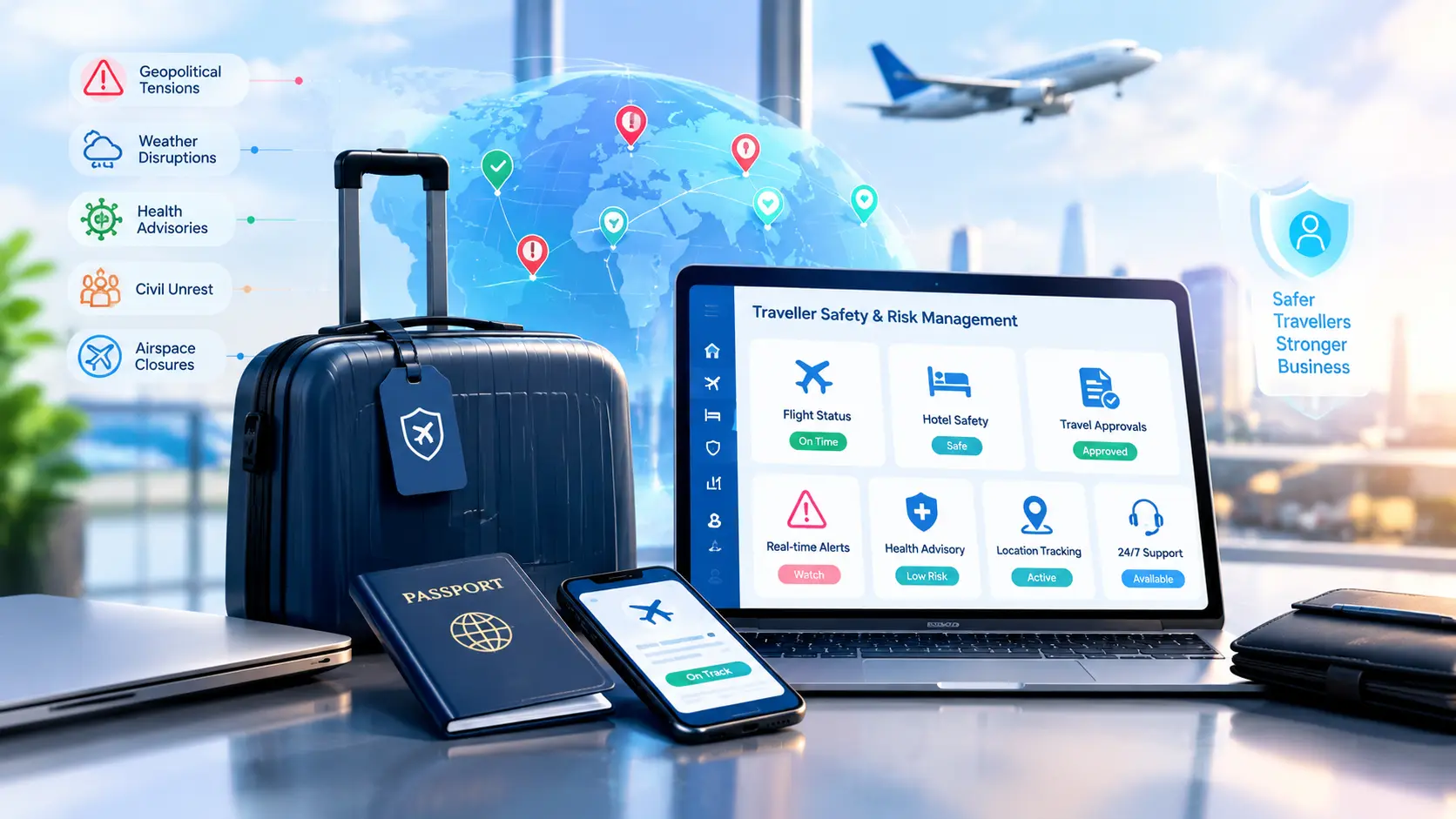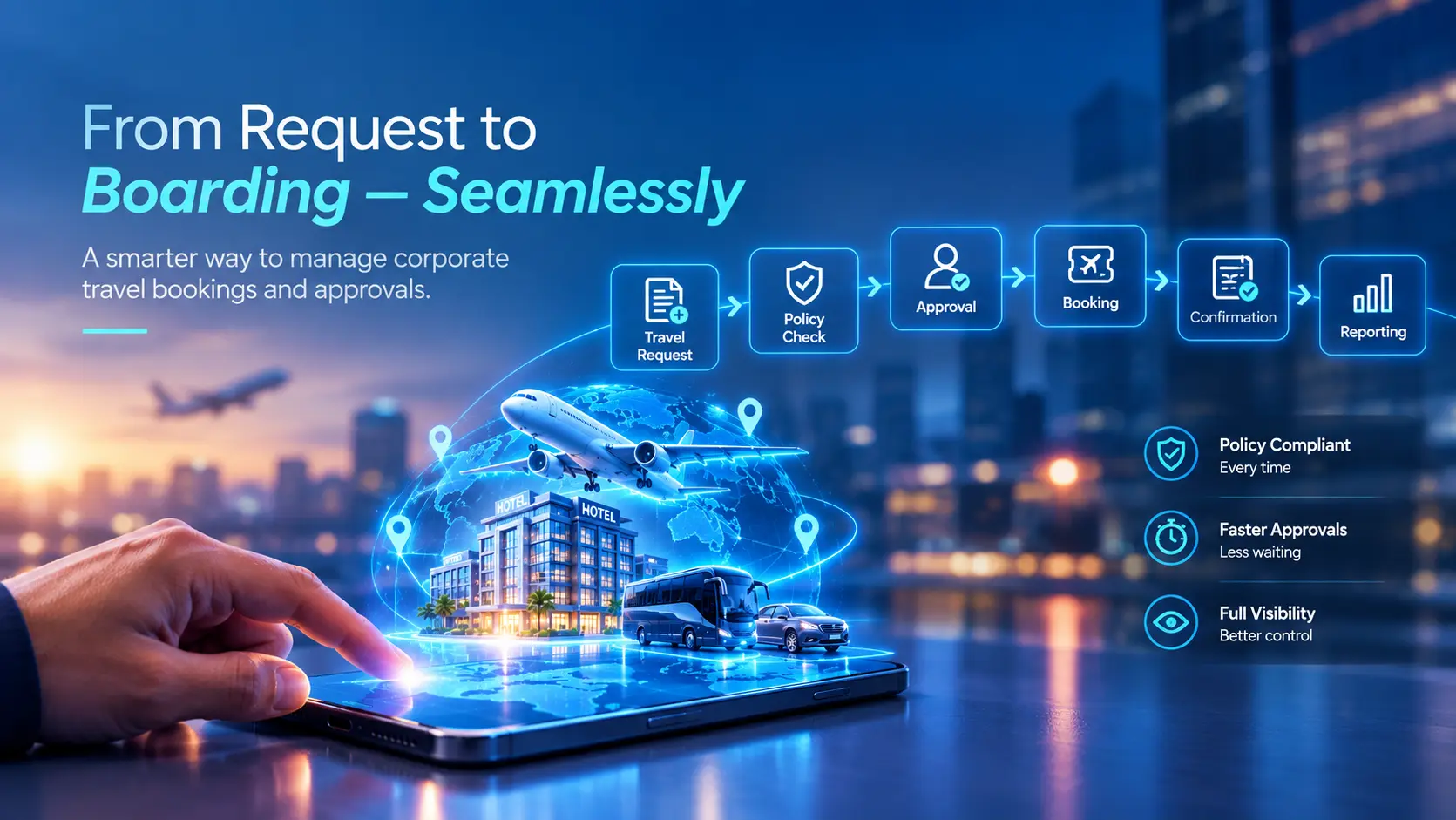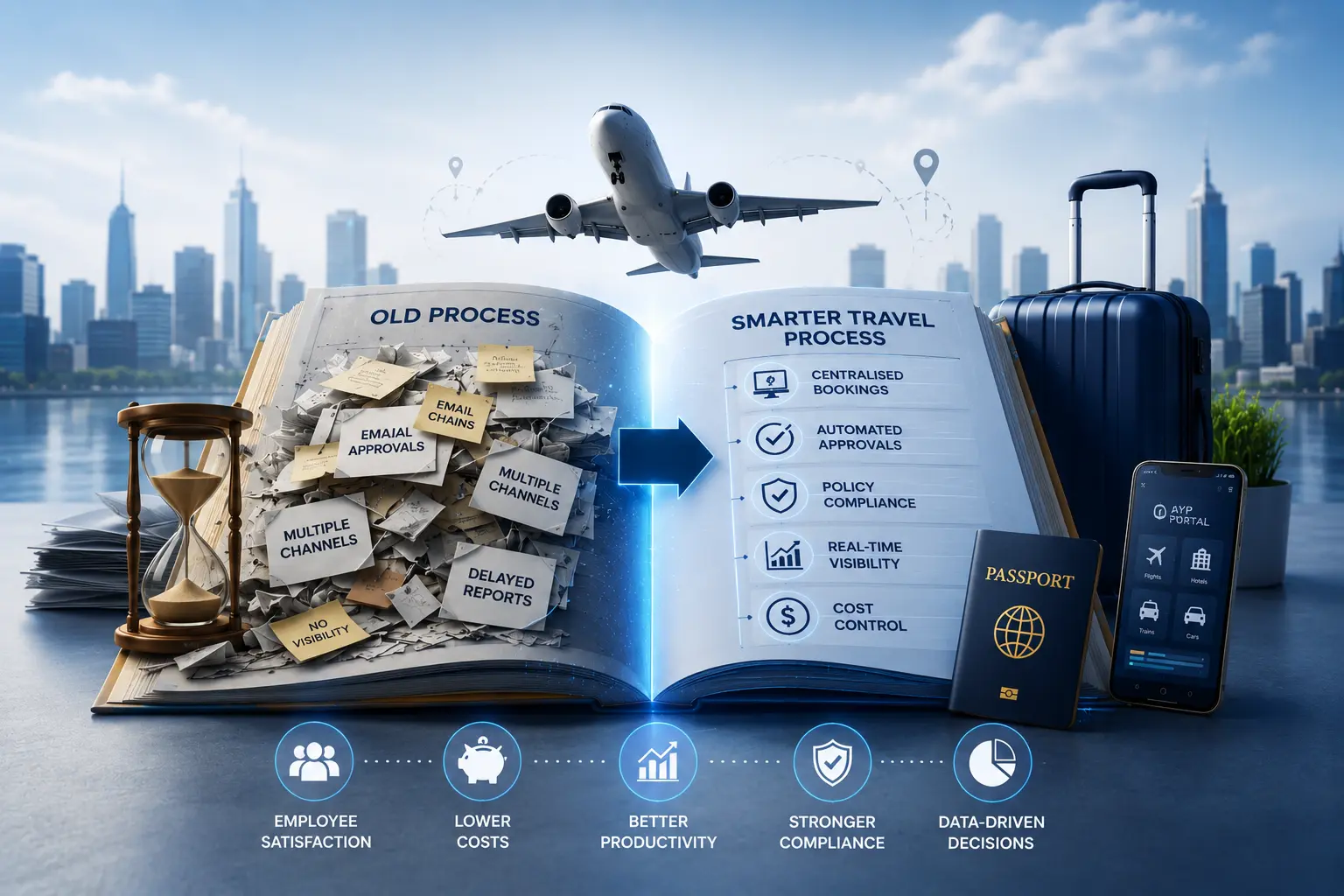

one platform zero headaches a day in the life of a travel manager using atyourprice

One Platform, Zero Headaches: A Day in the Life of a Travel Manager Using AtYourPrice

At 9:05 a.m., the travel manager’s inbox begins to fill up.

A sales executive needs a last-minute flight to meet a client. Finance wants an update on monthly travel spending. A manager is asking why a hotel booking exceeded the approved limit. Meanwhile, another employee has missed a connection and needs immediate help.

For many organisations, this is a typical morning. Corporate travel management involves coordinating bookings, approvals, expenses, and traveller support across multiple systems. When tools are disconnected, even routine tasks become time-consuming.

This is where platforms like AtYourPrice simplify the entire process. Instead of juggling emails, spreadsheets, and vendor portals, travel managers can oversee every part of the travel program from one place.

In this article, we walk through a typical day in the life of a travel manager using a unified travel management platform and show how technology reduces complexity while improving visibility and control.

9:00 AM: Reviewing Travel Requests with Full Visibility

The day usually begins with reviewing new travel requests.

In many companies, these requests arrive through email or messaging tools, forcing travel managers to gather details manually before making bookings. A centralised platform changes that process.

Within AtYourPrice, travel requests appear in a structured dashboard that includes:

  • Traveller details

  • Trip purpose

  • Destination

  • Budget range

  • Policy guidelines

For example, if an employee plans to travel from Chennai to Mumbai, the system automatically highlights policy-compliant flight and hotel options.

Instead of searching across multiple websites, the travel manager can review and approve bookings quickly.

Result: Faster trip planning and fewer manual steps.

10:00 AM: Automating Approvals and Policy Compliance

Travel approvals often create delays. Managers may miss requests or approve bookings without reviewing company policy guidelines.

Automation solves this problem.

When travel policies are configured within the platform, the system automatically checks each request against the rules.

Examples include:

  • Flight price limits

  • Approved airline classes

  • Preferred hotel categories

  • Advance booking requirements

If a request falls within policy, the system can approve it automatically. If not, it is escalated to the appropriate manager.

Travel managers no longer need to manually review every request.

For companies with frequent travel between cities such as Bengaluru and Delhi, automated approvals significantly reduce administrative workload.

Result: Policy compliance improves without slowing down travel planning.

10am automating approvals and policy compliance

11:30 AM: Booking Flights and Hotels in Minutes

Once approvals are complete, the next step is booking travel.

Traditional booking methods require travel managers to compare multiple airline websites, hotel platforms, and vendor portals. This process is slow and often inconsistent.

A unified platform integrates travel inventory directly into the system.

The travel manager can instantly compare:

  • Airline schedules

  • Fare options

  • Hotel availability

  • Corporate negotiated rates

Flights operated by airlines such as IndiGo and Air India appear within the same interface, allowing quick selection of the best option.

Preferred hotel partners also appear with negotiated pricing.

Result: Booking a complete trip often takes only a few minutes.

1:00 PM: Monitoring Travel Spend in Real Time

After lunch, finance sends a request for a travel spend update.

In many organisations, generating this report requires gathering invoices, reviewing expense submissions, and compiling spreadsheets.

With a centralised travel platform, spend data is available instantly.

The dashboard provides a clear overview of:

  • Total travel expenditure

  • Department-level spending

  • High-cost routes

  • Policy compliance rates

For instance, the travel manager may notice increased travel between Delhi and Singapore and share this insight with procurement teams.

This visibility helps finance leaders understand travel budgets and plan future spending.

Result: Real-time reporting replaces manual data consolidation.

2:30 PM: Managing Travel Disruptions Quickly

Unexpected disruptions are part of business travel.

A delayed flight, a cancelled connection, or a sudden schedule change can affect multiple travellers in a single day.

Modern travel management platforms monitor global travel updates and notify travel managers when disruptions occur.

For example, if a traveller is affected by a delay at Dubai International Airport, the system can alert the travel manager immediately.

The travel manager can then:

  • Identify the affected traveller

  • Check alternative flights

  • Update the itinerary

Result: Travellers receive faster support during disruptions.

4:00 PM: Simplifying Expense Management

Expense reconciliation is often the most tedious part of travel management.

Employees may forget to submit receipts or provide incomplete expense details. Finance teams then spend hours verifying information.

Integrated travel platforms simplify this process.

Since bookings are made within the system, expense data is captured automatically.

This includes:

  • Flight charges

  • Hotel invoices

  • Service fees

Employees simply review and submit expenses for approval.

Finance teams can validate expenses without chasing travellers for documentation.

Result: Faster reimbursements and improved financial accuracy.

5:30 PM: Reviewing Travel Analytics for Strategic Planning

Before ending the day, the travel manager reviews travel analytics.

Data insights help answer important questions such as:

  • Which routes generate the most travel spend?

  • Are employees booking flights early enough?

  • Which suppliers offer the best value?

For instance, frequent travel between Mumbai and Bengaluru may indicate an opportunity to negotiate better airline rates.

Analytics also reveal whether employees follow travel policies or require additional training.

Result: Travel managers can shift from operational tasks to strategic improvements.

Why a Unified Travel Platform Matters

Managing corporate travel across multiple tools creates unnecessary friction.

A unified platform brings every aspect of travel management together.

Key advantages include:

  • Centralised travel booking

  • Automated policy compliance

  • Real-time travel visibility

  • Integrated expense management

  • Comprehensive reporting

When travel managers operate from a single system, they spend less time on administrative work and more time improving the travel program.

Benefits for Travellers, Finance Teams, and Leadership

A modern travel management platform benefits more than just travel managers.

For Travellers

Employees gain:

  • Faster booking experiences

  • Policy-compliant travel options

  • Quick support during disruptions

For Finance Teams

Finance departments benefit from:

  • Real-time spend visibility

  • Accurate expense data

  • Simplified reporting

For Leadership Teams

Executives gain insights into:

  • Travel cost trends

  • Policy compliance levels

  • Travel program performance

These insights support better decision-making across the organisation.

benefits for travellers, finance team, and leadership

Frequently Asked Questions

What does a travel manager do in a company?

A travel manager oversees corporate travel planning, including booking flights and hotels, managing travel policies, monitoring travel expenses, and supporting employees during trips.

Why do companies use travel management platforms?

Travel management platforms centralise booking, approvals, expense tracking, and reporting to simplify corporate travel operations.

How does automation help travel managers?

Automation reduces manual tasks such as approval reviews, expense tracking, and reporting, allowing travel managers to focus on strategic planning.

Can travel platforms reduce corporate travel costs?

Yes. Centralised booking and policy enforcement help organisations control travel spending and identify cost-saving opportunities.

How does a unified travel platform improve traveller experience?

Employees benefit from faster bookings, clear travel policies, and better support when disruptions occur.

What should companies look for in a travel management platform?

Key features include integrated booking tools, automated approvals, real-time reporting, expense management, and traveller support capabilities.

Final Thoughts

Corporate travel management involves constant coordination across travellers, finance teams, and leadership.

When processes rely on manual workflows and disconnected tools, travel managers spend too much time solving operational problems.

A unified platform changes that experience.

By centralising bookings, automating approvals, simplifying expense management, and providing real-time insights, travel management platforms allow travel managers to run efficient and transparent travel programs.

Instead of reacting to daily challenges, they can focus on improving traveller experience and controlling travel costs.

If your organisation wants to simplify corporate travel management and gain complete visibility into travel operations, consider moving to a unified travel platform like AtYourPrice.

Book a demo today and see how one platform can eliminate travel management headaches for your team.


how ai and automation are reshaping future of corporate travel

How AI and Automation Are Reshaping the Future of Corporate Travel

A travel manager opens the monthly report and notices a familiar problem. Several trips were booked outside the company’s preferred channels. A few approvals were delayed. Finance has requested clearer reporting on travel spend. Meanwhile, employees expect faster booking and smoother travel support.

Corporate travel has always involved coordination across many moving parts. Booking flights, managing approvals, tracking expenses, ensuring policy compliance, and supporting travellers during disruptions all require time and precision.

This is where AI and automation in corporate travel are beginning to make a measurable difference. Companies are moving away from manual workflows and fragmented tools toward intelligent systems that streamline bookings, enforce policies, and provide real-time travel insights.

In this guide, we explore how artificial intelligence and automation are transforming corporate travel management, what benefits organisations are already seeing, and how companies can prepare for the next generation of travel technology.

Why Corporate Travel Needed Smarter Technology

Traditional corporate travel programs rely heavily on manual processes. Travel managers often spend significant time reviewing requests, verifying policies, and consolidating expense data.

This approach creates several challenges:

  • Slow approval cycles
  • Limited visibility into travel spending
  • Frequent policy exceptions
  • Fragmented reporting across departments

As companies expand across cities such as Mumbai, Bengaluru, and Delhi, travel volumes increase and these challenges multiply.

Automation allows organisations to simplify these processes while maintaining stronger control over travel programs.

Industry research from the Global Business Travel Association shows that technology adoption remains one of the strongest drivers of efficiency in modern travel management.

What AI and Automation Mean for Corporate Travel

Artificial intelligence and automation work together to streamline travel management tasks that were previously handled manually.

Automation

Automation focuses on executing routine tasks without human intervention.

Examples include:

  • Automatic travel approvals based on policy rules
  • Expense report generation
  • Invoice reconciliation
  • Booking confirmations and notifications
what ai and automation mean for corporate travel

Artificial Intelligence

Artificial intelligence adds an additional layer of intelligence by analysing data and making recommendations.

AI systems can:

  • Suggest optimal travel options
  • Identify policy violations
  • Predict travel cost patterns
  • Recommend cost-saving opportunities

Together, AI and automation allow companies to manage travel programs with greater speed and accuracy.

How AI Is Transforming Travel Booking

One of the most visible changes in corporate travel is the way employees search for and book trips.

Intelligent Travel Recommendations

AI-powered platforms analyse past booking patterns and traveller preferences to recommend the most relevant options.

For example, an employee frequently travelling between Chennai and Hyderabad may receive recommendations that prioritise preferred airlines or convenient flight schedules.

Airlines such as IndiGo and Air India operate multiple daily flights on these routes, giving AI systems several options to optimise for price and timing.

Policy-Compliant Booking Suggestions

AI tools can automatically filter travel options based on company policy guidelines.

Travellers may see:

  • Flights within approved price ranges
  • Preferred hotels within negotiated rates
  • Travel options aligned with corporate agreements

This reduces the likelihood of out-of-policy bookings and simplifies decision making for employees.

Automating Travel Approvals and Workflows

Approval delays are one of the most common bottlenecks in corporate travel programs.

Automation removes this friction by using predefined policy rules.

Automated Approval Systems

Instead of waiting for manual approvals, travel requests can be automatically approved when they meet policy criteria.

For example:

  • Flights below a specified price threshold
  • Travel within approved routes
  • Trips booked within the required advance booking window

If a request falls outside the policy, it can automatically escalate to the appropriate manager.

Faster Travel Planning

Automation reduces administrative overhead and allows travellers to finalise bookings quickly.

Benefits include:

  • Shorter approval timelines
  • Reduced administrative workload
  • Faster trip confirmations

Travel managers can focus on strategic tasks rather than reviewing routine approvals.

Improving Expense Management Through Automation

Expense management has traditionally been one of the most time-consuming aspects of corporate travel.

Automation simplifies this process by linking booking data with expense reporting.

Automatic Expense Capture

When employees book travel through an integrated platform, expense details can be captured automatically.

This includes:

  • Flight costs
  • Hotel charges
  • Ground transportation expenses

The system can generate expense reports without requiring manual entry.

Faster Reimbursements

Automated expense workflows help finance teams process reimbursements more efficiently.

Employees benefit from quicker payments, while finance teams gain clearer visibility into spending patterns.

AI-Powered Insights for Travel Managers

AI tools do more than automate tasks. They also analyse travel data to provide actionable insights.

Travel Spend Analysis

AI systems can identify trends across travel data, such as:

  • High-cost routes
  • Frequent last-minute bookings
  • Departments with rising travel expenses

For example, frequent travel between Delhi and Singapore might reveal opportunities to negotiate better airline rates.

Predictive Cost Forecasting

AI can also predict future travel costs based on historical data and market trends.

These forecasts help finance teams:

  • Plan budgets more accurately
  • Anticipate seasonal price increases
  • Adjust travel policies when needed

Predictive insights allow companies to move from reactive cost control to proactive planning.

Enhancing Traveller Safety with Intelligent Systems

Traveller safety remains a top priority for corporate travel programs.

AI and automation help companies respond more quickly to disruptions.

Real-Time Travel Alerts

Modern travel management systems monitor global events and travel disruptions.

Employees travelling through cities such as Dubai or London can receive alerts about:

  • Weather disruptions
  • Flight cancellations
  • Security advisories

Location Visibility

Travel platforms can also provide visibility into employee travel locations.

This allows companies to quickly identify travellers who may be affected by unexpected events.

During emergencies, organisations can communicate with travellers and arrange support or alternative routes.

AI Chat Assistants in Corporate Travel

Another emerging trend is the use of AI-powered chat assistants.

These tools help travellers manage their trips more easily.

Common capabilities include:

  • Searching for travel options
  • Providing itinerary updates
  • Answering policy-related questions
  • Offering support during disruptions

AI chat assistants are available at any time, which reduces the burden on travel support teams.

ai chat assistants in corporate travel

Balancing Technology with Traveller Experience

While automation brings efficiency, the human experience remains important.

Corporate travellers often face tight schedules, unfamiliar environments, and unexpected disruptions.

Travel technology should focus on improving the traveller journey rather than simply enforcing policies.

Examples include:

  • Simplified booking interfaces
  • Personalised travel recommendations
  • Responsive support during disruptions

When technology supports both compliance and convenience, employees are more likely to adopt it willingly.

Preparing Your Organisation for AI-Driven Travel Management

Adopting AI and automation requires thoughtful implementation.

Companies should begin by evaluating their current travel processes.

Review Existing Workflows

Identify manual tasks that consume time and create delays.

These may include:

  • Travel approvals
  • Expense reconciliation
  • Data consolidation for reporting

Automation can significantly reduce administrative effort in these areas.

Integrate Travel Systems

Travel booking tools, expense platforms, and reporting dashboards should work together.

Integrated systems ensure consistent data flow and more accurate reporting.

Train Employees on New Tools

Technology adoption improves when employees understand how tools benefit their daily work.

Short training sessions can help travellers learn how to:

  • Book policy-compliant trips
  • Submit expenses efficiently
  • Use travel support features

Employee engagement plays a critical role in successful technology adoption.

Frequently Asked Questions

How is AI used in corporate travel management?

AI is used to analyse travel data, recommend travel options, predict spending trends, and automate tasks such as booking approvals and expense reporting.

What are the benefits of automation in corporate travel?

Automation reduces manual workload, speeds up approvals, improves policy compliance, and provides real-time visibility into travel spending.

Can AI help reduce corporate travel costs?

Yes. AI can identify cost-saving opportunities, recommend lower-priced travel options, and highlight spending patterns that require policy adjustments.

Is AI replacing travel managers?

AI does not replace travel managers. Instead, it assists them by automating routine tasks and providing insights that support better decision making.

How does automation improve traveller experience?

Automation speeds up bookings, simplifies expense reporting, and provides travellers with real-time updates about their trips.

What should companies consider before adopting travel automation?

Companies should evaluate their travel policies, integrate booking and expense systems, and provide training to ensure employees can use the new tools effectively.

Final Thoughts

Corporate travel programs are evolving quickly. Manual workflows and disconnected systems no longer meet the needs of modern organisations.

Artificial intelligence and automation are helping companies create travel programs that are more efficient, transparent, and responsive to traveller needs.

By automating routine tasks, analysing travel data, and supporting employees throughout their journeys, organisations can build travel programs that balance cost control with convenience.

Companies that embrace these technologies today will be better positioned to manage travel growth, control expenses, and deliver a smoother experience for their travellers.

If your organisation is exploring ways to modernise its travel management approach, consider implementing a platform that combines automation, intelligent insights, and seamless booking capabilities.

Book a demo today to discover how AI-powered travel management can transform your corporate travel program.
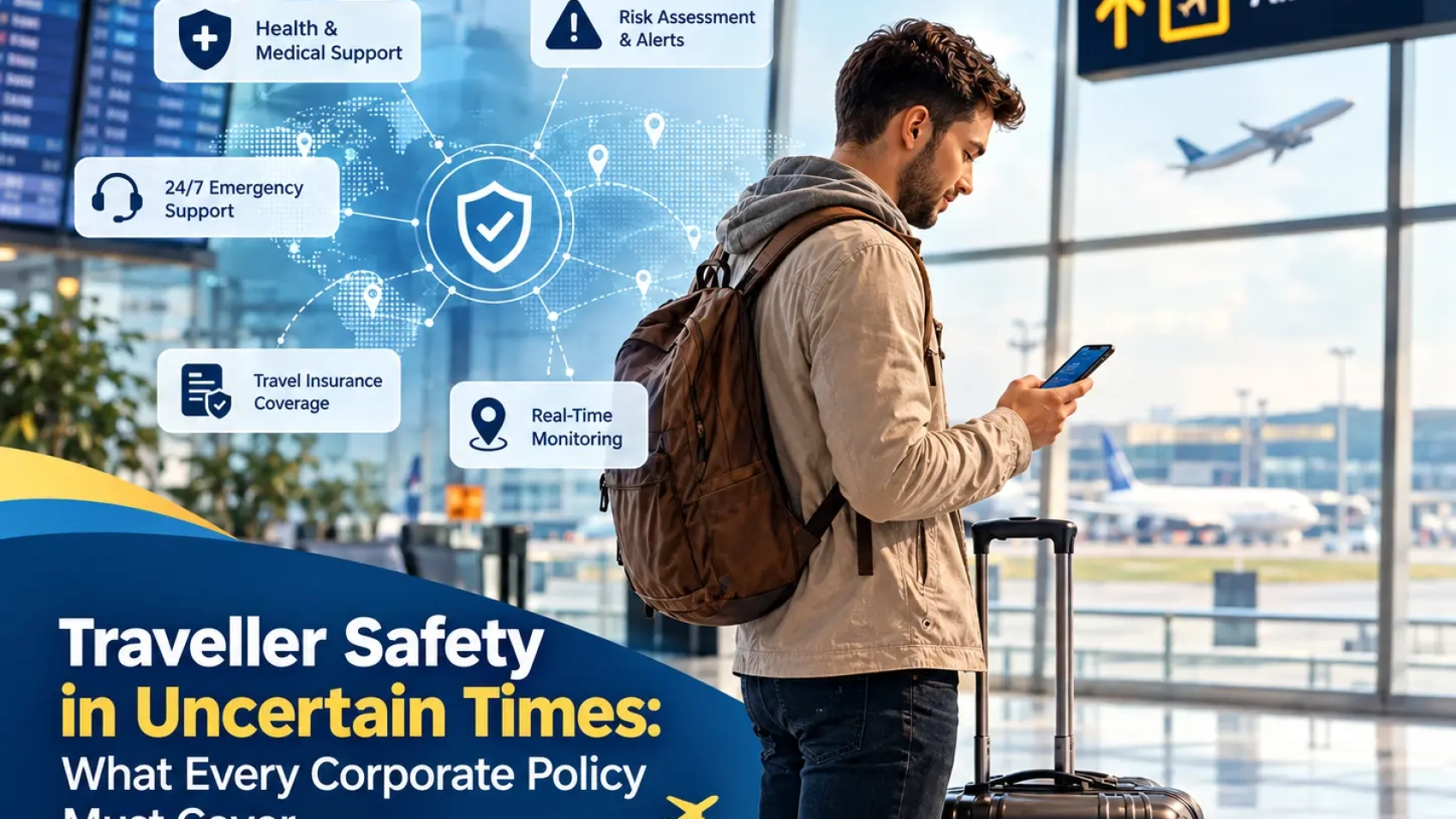
what business travellers expect from corporate events in 2026

What Business Travelers Expect from Corporate Events in 2026

Corporate events are changing quietly but decisively. Attendees still care about speakers, agendas, and venues, but those are no longer the main differentiators. What shapes their perception now is how smoothly the entire experience fits into their working lives.

For business travellers, events in 2026 come with clear pain points. Tight schedules, rising travel costs, approval delays, and constant context switching between travel and work are common frustrations. When these issues are ignored, even a well-designed event feels draining rather than valuable.

This blog looks at what business travellers truly expect from corporate events in 2026. It focuses on practical needs, evolving priorities, and how companies can design events that respect time, productivity, and wellbeing while still delivering strong business outcomes.

Why Business Traveller Expectations Are Shifting

The modern business traveller is more experienced and more selective. Many professionals now attend multiple events each year, often across cities or countries.

At the same time, travel has become more complex. Higher demand, fluctuating prices, and stricter internal controls all affect the experience. As a result, travellers expect events to justify not just their time at the venue, but the effort required to get there.

In 2026, expectations are shaped by three realities:

  • Workloads have not slowed down during travel
  • Travel decisions are scrutinised more closely by finance teams
  • Employees are more vocal about friction and fatigue

Clear Planning and Early Communication Are Non-Negotiable

Uncertainty is one of the biggest pain points for business travellers. Late announcements, vague agendas, or incomplete travel details create unnecessary stress.

What Travellers Expect Before the Event

Travellers want clarity early so they can plan efficiently.

This includes:

  • Confirmed dates and locations well in advance
  • Clear start and end times, not just event days
  • Guidance on recommended arrival and departure windows

When details arrive late, travellers often book suboptimal flights or face higher costs due to limited availability.

Why This Matters More in 2026

With rising air traffic and hotel demand, last-minute planning directly affects pricing and availability. Travellers increasingly expect organisers to account for this reality.

Travel Booking Support That Respects Time and Policy

Business travellers do not want to chase approvals or compare multiple booking platforms. They expect travel to be easy, compliant, and cost-aware by default.

Seamless Booking Is a Core Expectation

In 2026, travellers expect:

  • Centralised booking aligned with company policy
  • Visibility into approved flight and hotel options
  • Minimal manual intervention for standard trips

When booking feels complicated, travellers lose confidence in the event planning process.

Transparency Around Travel Choices

Travellers also expect to understand why certain options are recommended.

This includes clarity on:

  • Preferred airlines or hotels
  • Fare or room category limits
  • Trade-offs between cost and convenience

Transparency builds trust and reduces resistance.

travel booking support that respect time and policy

Reasonable Schedules That Acknowledge Travel Fatigue

Packed agendas look efficient on paper. For travellers, they often feel exhausting.

What Feels Unreasonable to Travellers

Common scheduling pain points include:

  • Early morning sessions after late-night arrivals
  • Back-to-back sessions without breaks
  • Social events that extend late into the evening

In 2026, travellers are more open about the impact of fatigue on focus and performance.

What They Expect Instead

More thoughtful scheduling includes:

  • Adequate buffer time on arrival days
  • Shorter, focused sessions
  • Clear separation between work sessions and optional networking

These changes improve engagement without reducing content quality.

Comfortable Accommodation That Supports Work, Not Just Sleep

Hotels are no longer viewed only as places to rest. For business travellers, they are temporary workspaces.

Key Accommodation Expectations

Travellers now look for:

  • Reliable internet connectivity
  • Quiet rooms suitable for calls
  • Proximity to the event venue

When hotels make work harder, the event experience suffers.

Location Over Luxury

In 2026, most travellers prefer convenience over premium amenities.

A well-located, comfortable hotel often matters more than a higher star rating.

Smooth On-Ground Logistics

Once travellers arrive, they expect minimal friction.

Transport and Transfers

Clear guidance on local transport reduces anxiety.

This includes:

  • Airport transfer options
  • Venue directions
  • Estimated travel times during peak hours

Unclear logistics create unnecessary delays and frustration.

On-Site Navigation

Large venues can be overwhelming. Travellers expect:

  • Clear signage
  • Accessible help desks
  • Digital agendas with real-time updates

These details shape first impressions.

Meaningful Content That Justifies Travel

Content quality remains critical, but expectations have evolved.

Less Noise, More Relevance

Travellers increasingly expect:

  • Sessions tailored to their roles or industries
  • Practical insights over generic presentations
  • Opportunities for meaningful interaction

They are less tolerant of filler sessions that could have been emails.

Clear Takeaways

In 2026, travellers value:

  • Actionable frameworks
  • Real-world case studies
  • Clear next steps after the event

This helps them translate attendance into outcomes.

Flexibility for Different Work Styles

Not every traveller engages the same way.

Hybrid Expectations Within Physical Events

Even in in-person events, travellers expect flexibility such as:

  • Recorded sessions for later viewing
  • Optional breakout tracks
  • Quiet spaces for urgent work

This flexibility respects individual working styles.

Respect for Personal Time

Travellers appreciate when organisers:

  • Avoid scheduling mandatory activities late at night
  • Provide clear expectations around availability
  • Allow downtime without judgment

These choices signal respect.

Visibility Into Costs and Reimbursements

Cost transparency remains a major concern.

Clear Expense Guidelines

Travellers expect:

  • Defined reimbursement limits
  • Simple expense submission processes
  • Faster turnaround times

Ambiguity leads to out-of-pocket stress.

Fewer Surprises

When travellers encounter unexpected expenses, trust erodes. Clear communication prevents this.

Health, Safety, and Wellbeing Still Matter

While travel has largely normalised, expectations around safety remain high.

What Travellers Look For

This includes:

  • Safe accommodation locations
  • Emergency contact information
  • Clear protocols for disruptions

Wellbeing considerations also extend to workload and rest.

health, safety and wellbeing still matter

How Event Organisers Can Meet These Expectations

Meeting traveller expectations does not require extravagant budgets. It requires alignment.

Key focus areas include:

  • Early planning and communication
  • Integrated travel and approval workflows
  • Data-driven decisions based on past events

Tools and processes matter as much as intent.

Common Mistakes That Undermine Event Experience

Even well-funded events can fall short.

Over-Prioritising Agenda Over Experience

Ignoring travel strain leads to disengagement.

Treating All Attendees the Same

Different roles have different needs. One-size planning rarely works.

Underestimating Travel Friction

Small delays and inconveniences add up quickly.

FAQs: What People Also Ask About Business Travel and Corporate Events

What do business travellers value most at corporate events?

They value clarity, efficient travel, relevant content, and respect for their time and energy.

How have business traveller expectations changed since 2024?

Expectations have shifted toward flexibility, transparency, and better integration between travel and work.

Do business travellers still want in-person events in 2026?

Yes, but only when the value justifies the effort. Poorly planned events face lower engagement.

How can companies reduce travel fatigue during events?

By improving schedules, choosing convenient locations, and simplifying travel processes.

What role does travel management play in event success?

Strong travel management reduces friction, controls costs, and improves overall attendee experience.

Conclusion

Corporate events in 2026 are judged less by how impressive they look and more by how they feel to attend. Business travellers notice the details, especially the ones that make their work easier or harder.

When companies align event planning with modern travel expectations, attendance turns into engagement and engagement turns into results.

If your events involve frequent travel and complex approvals, it may be time to rethink how travel is managed alongside event planning.

Want to design corporate events that travellers actually appreciate?
Connect with the At Your Price team or book a demo to see how smarter travel management can support better event outcomes.

how atyourprice uses real time data to secure the best corporate rates

How AtYourPrice Uses Real-Time Data to Secure the Best Corporate Rates

A travel manager approves a flight request in the morning. By the time the booking is confirmed in the afternoon, the fare has increased. A hotel rate that looked affordable last week suddenly doubles because of a conference in the city.

Corporate travel pricing changes quickly. Airlines and hotels adjust their rates constantly based on demand, availability, and market conditions. For companies that manage travel through manual processes or scattered booking tools, keeping up with these changes becomes difficult.

This is where real-time travel data plays a critical role. Modern travel platforms analyse pricing information across airlines, hotels, and booking channels as it changes. Instead of relying on outdated rate lists or manual comparisons, organisations can make travel decisions based on current market conditions.

Platforms like AtYourPrice use real-time data to help companies find competitive fares, maintain policy compliance, and secure better corporate travel rates. In this guide, we explain how real-time data works in corporate travel and how organisations can use it to optimise travel spending.

Why Corporate Travel Pricing Changes So Frequently

Travel pricing has evolved significantly in the past decade. Airlines and hotels no longer rely on fixed pricing models. Instead, they use dynamic pricing systems that adjust rates continuously.

These changes depend on several factors:

  • Seat availability on flights
  • Hotel occupancy levels
  • Seasonal demand
  • Major events or conferences
  • Fuel costs and operational factors

For example, airlines such as IndiGo and Air India adjust ticket prices based on demand across popular routes. Flights between business hubs like Delhi and Mumbai may fluctuate several times within a single day.

Industry research from the International Air Transport Association highlights how airlines increasingly rely on demand-driven pricing strategies.

Because of these constant changes, companies that rely on outdated rate comparisons often pay more than necessary.

What Real-Time Data Means in Corporate Travel

Real-time travel data refers to live pricing and availability information from multiple travel suppliers.

Instead of reviewing static price lists, travel management platforms continuously analyse:

  • Flight fares across airlines
  • Hotel room availability and pricing
  • Booking patterns and travel demand
  • Historical travel data from the company

This information allows the platform to recommend travel options that balance cost, convenience, and company policy.

With real-time data integrated into the booking process, travel managers and employees can make better decisions at the moment of booking.

what real time data means in corporate travel

How AtYourPrice Uses Real-Time Data to Identify the Best Rates

Real-time data becomes valuable when it is analysed and presented in a meaningful way. AtYourPrice combines live travel data with intelligent algorithms to help companies secure competitive travel rates.

Live Flight Fare Comparison

When a traveller searches for flights, the platform scans multiple airline inventories simultaneously.

This allows the system to compare:

  • Flight schedules
  • Fare categories
  • Available seat classes
  • Corporate negotiated rates

For example, if an employee needs to travel from Chennai to Bengaluru, the system presents options from multiple airlines in a single interface.

Travellers and travel managers can quickly identify the most cost-effective option without switching between different websites.

Real-Time Hotel Rate Monitoring

Hotel pricing changes frequently based on occupancy levels and local demand.

A unified platform monitors hotel inventory across preferred suppliers and compares rates across different booking sources.

For instance, if an employee plans to stay in Hyderabad during a major business event, hotel prices may increase quickly. Real-time monitoring helps identify available properties that still fall within the company’s approved rate limits.

This ensures travellers find suitable accommodation without exceeding travel policy budgets.

Corporate Rate Integration

Many companies negotiate corporate rates with airlines and hotel partners. However, these negotiated rates are only effective when employees actually use them.

Travel platforms integrate these corporate agreements directly into the booking interface.

This allows travellers to see:

  • Corporate negotiated fares
  • Preferred hotel pricing
  • Partner airline benefits

When corporate rates are automatically highlighted, travellers are more likely to choose them.


Using Travel Data to Predict Cost Trends

Real-time pricing data provides immediate insights, but historical data also plays an important role.

Platforms like AtYourPrice analyse past travel activity to identify patterns such as:

  • Routes with consistently high travel demand
  • Departments that travel most frequently
  • Seasonal price increases

For example, companies with frequent travel between Bengaluru and Singapore may notice predictable fare increases during certain months.

These insights allow travel managers to adjust policies or negotiate better supplier agreements.

Real-Time Alerts for Better Booking Decisions

One of the most practical benefits of real-time data is the ability to alert travellers about price changes.

Modern travel platforms can notify users when:

  • A flight price increases or decreases
  • A preferred hotel becomes available
  • A better fare appears on a selected route

These alerts help travellers book at the right moment instead of guessing when prices might change.

For companies that manage frequent travel, this small improvement can produce significant cost savings over time.

Strengthening Travel Policy Compliance with Data

Corporate travel policies are designed to control costs and maintain consistency across travel bookings.

However, policies only work when travellers can easily identify compliant options.

Real-time data makes policy enforcement easier by:

  • Highlighting approved price ranges
  • Displaying preferred airline partners
  • Filtering hotel options that exceed budget limits

If a traveller attempts to select an option outside policy guidelines, the system can notify them immediately.

strengthening travel policy compliance w data

Real-Time Data and Corporate Travel Transparency

Data transparency has become a major priority for finance teams and travel managers.

Real-time reporting allows organisations to monitor travel activity across departments and locations.

Dashboards within AtYourPrice can display insights such as:

  • Total travel spend
  • Cost per trip
  • High-demand travel routes
  • Policy compliance rates

For example, if travel between Delhi and Dubai increases unexpectedly, finance teams can investigate the reason quickly.

This transparency supports better financial planning and more accurate travel budgeting.

Benefits of Real-Time Data for Corporate Travel Programs

Companies that use real-time travel data often experience several measurable improvements.

Better Cost Control

Access to live pricing information allows companies to identify affordable travel options at the right moment.

Faster Booking Decisions

Travellers no longer need to compare multiple websites or wait for travel managers to review pricing.

Improved Policy Compliance

When policy-compliant options appear automatically, travellers are more likely to follow company guidelines.

Stronger Supplier Negotiations

Accurate travel data helps procurement teams negotiate better agreements with airlines and hotel partners.

Clearer Financial Reporting

Real-time reporting allows finance teams to monitor travel budgets and detect unusual spending patterns early.

Preparing Your Organisation for Data-Driven Travel Management

Adopting real-time data tools requires more than installing new software. Organisations should also adjust their travel management processes.

Centralise Travel Bookings

Encourage employees to book travel through approved platforms rather than consumer booking websites.

Centralisation ensures accurate data collection.

Align Travel Policies with Technology

Travel policies should integrate with booking systems so travellers can easily identify approved options.

Train Employees on Travel Tools

Short training sessions help employees understand how to use booking platforms and take advantage of real-time travel insights.

Frequently Asked Questions

What is real-time data in corporate travel?

Real-time data refers to live pricing and availability information from airlines, hotels, and travel suppliers that updates continuously during the booking process.

How does real-time data help companies save on travel costs?

Real-time pricing allows travellers and travel managers to compare multiple options instantly and book the most cost-effective choice.

Can real-time travel data improve policy compliance?

Yes. Booking platforms can automatically highlight travel options that meet company policy guidelines and alert travellers when they select options outside those limits.

Why do airline ticket prices change so frequently?

Airlines use dynamic pricing systems that adjust fares based on demand, seat availability, and market conditions.

How can companies access real-time travel data?

Companies typically access real-time travel data through corporate travel management platforms that integrate airline and hotel inventories.

Does real-time data help with travel budgeting?

Yes. Real-time reporting and analytics help finance teams monitor travel spending and identify cost trends across departments.

Final Thoughts

Corporate travel pricing has become more dynamic than ever. Airlines and hotels adjust rates constantly, which means companies must make travel decisions based on current information rather than outdated price comparisons.

Real-time travel data provides the visibility needed to manage these changes effectively.

Platforms like AtYourPrice analyse live pricing information, highlight corporate negotiated rates, and present policy-compliant travel options in a single interface.

This approach allows organisations to control travel spending, simplify booking processes, and gain deeper insight into travel activity across the company.

If your organisation wants to secure better corporate travel rates and improve visibility into travel spending, consider adopting a data-driven travel management platform.

Book a demo today to see how AtYourPrice can help your company use real-time data to optimise corporate travel.

keeping business moving_how to navigate sudden travel changes

Keeping Business Moving: How to Navigate Sudden Travel Changes

A senior executive is on the way to the airport when a message arrives. The flight has been delayed. Ten minutes later, it is cancelled. The client meeting is still scheduled for the next morning in another city.

Situations like this are common in business travel. Weather disruptions, airline rescheduling, operational issues, and even local events can alter travel plans without warning. For companies that rely on travel for sales, partnerships, and operations, these disruptions can affect both cost and productivity.

Managing sudden travel changes in corporate travel requires more than quick reactions. It demands preparation, clear processes, and the right tools to respond effectively. This guide explains how organisations can handle travel disruptions with minimal impact on business operations.

Why Travel Disruptions Are Increasing

Travel disruptions are not new, but their frequency and impact have grown in recent years.

Airlines operate on tight schedules. Airports handle increasing passenger volumes. External factors such as weather patterns and operational constraints create unpredictable conditions.

Airlines like IndiGo and Air India manage large networks across domestic and international routes, which means delays in one part of the system can affect multiple flights.

Industry insights from the International Air Transport Association highlight how operational complexity contributes to delays and schedule changes.

For businesses, this means travel disruptions are not occasional exceptions. They are a regular part of corporate travel that must be managed proactively.

Common Types of Sudden Travel Changes

Understanding the types of disruptions helps companies prepare more effectively.

Flight Delays and Cancellations

The most frequent disruptions involve delays or cancellations.

These may occur due to:

  • Weather conditions
  • Technical issues
  • Air traffic congestion

Even a short delay can affect connecting flights and meeting schedules.

common types of sudden travel changes

Last-Minute Schedule Changes

Business priorities can change quickly.

Examples include:

  • Rescheduled client meetings
  • Extended project timelines
  • Urgent travel requirements

These changes often require immediate rebooking.

Overbooked Flights

Airlines sometimes overbook flights to manage no-show rates.

This can result in travellers being denied boarding, especially on busy routes such as Mumbai to Delhi.

Local Disruptions at Destination

Events at the destination can also affect travel plans.

These may include:

  • Public events or conferences
  • Transportation strikes
  • Weather disruptions

Travellers arriving in cities such as Dubai or London may encounter local challenges that require adjustments.

The Business Impact of Poor Travel Disruption Management

When disruptions are not handled effectively, the impact goes beyond inconvenience.

Missed Business Opportunities

Delayed or cancelled travel can result in missed meetings, lost deals, or weakened client relationships.

Increased Travel Costs

Last-minute rebookings often involve higher fares and limited availability.

Employee Stress and Productivity Loss

Uncertain travel conditions can create stress for employees, affecting their performance during business engagements.

Lack of Visibility

Without centralised travel tracking, companies may struggle to locate and support travellers during disruptions.

How to Prepare for Travel Disruptions

Preparation is the most effective way to reduce the impact of sudden travel changes.

Build Flexibility into Travel Policies

Rigid travel policies can make it difficult to respond to disruptions.

Companies should allow reasonable flexibility for:

  • Flight changes
  • Alternative routes
  • Extended stays when necessary

Policies should balance cost control with practical travel needs.

Encourage Smart Booking Practices

Booking choices can influence how easily travel plans can be adjusted.

Best practices include:

  • Selecting flights with flexible change options
  • Avoiding tight connection schedules
  • Booking earlier flights when possible

For example, travellers flying from Chennai to Bengaluru may benefit from choosing flights with multiple daily alternatives.

Maintain Updated Traveller Information

Accurate traveller information helps companies respond quickly during disruptions.

Essential details include:

  • Contact information
  • Travel itineraries
  • Emergency contacts

This information should be accessible in real time.

Responding to Travel Changes in Real Time

When disruptions occur, speed and coordination are critical.

Monitor Travel Updates Continuously

Travel managers should have access to real-time updates on:

  • Flight status
  • Airport conditions
  • Local travel disruptions

Travel management platforms provide these updates automatically.

Identify Affected Travellers Quickly

Centralised travel systems allow companies to see which employees are impacted.

For example, if a flight disruption occurs at Delhi airport, travel managers can immediately identify all travellers scheduled to depart from or arrive at that location.

Provide Immediate Alternatives

Quick rebooking is essential to minimise disruption.

Options may include:

  • Alternative flights
  • Different airlines
  • Adjusted travel routes

Access to multiple travel suppliers increases the likelihood of finding suitable alternatives.

The Role of Technology in Managing Travel Disruptions

Technology has become essential for handling sudden travel changes efficiently.

Modern travel platforms integrate booking, tracking, and communication into a single system.

Platforms like AtYourPrice help organisations manage disruptions more effectively.

Real-Time Alerts

Travellers and travel managers receive instant notifications about:

  • Flight delays
  • Gate changes
  • Cancellations

This allows for faster decision-making.

role of technology in managing travel disruptions

Centralised Travel Visibility

A unified platform provides a complete view of all ongoing trips.

This visibility helps companies:

  • Track traveller locations
  • Identify affected employees
  • Coordinate support quickly

Automated Rebooking Support

Some systems assist with rebooking by suggesting alternative flights or routes.

This reduces the time required to resolve disruptions.

Supporting Travellers During Disruptions

Handling disruptions is not just about logistics. It also involves supporting employees.

Clear Communication

Travellers should receive timely updates about:

  • Changes to their itinerary
  • Available alternatives
  • Next steps

Clear communication reduces confusion and stress.

Access to Assistance

Employees should know how to get help when needed.

Support may include:

  • Travel manager assistance
  • Airline customer service
  • Emergency support channels

Flexible Expense Policies

Unexpected changes often lead to additional expenses.

Companies should allow flexibility for:

  • Extra accommodation
  • Alternative transportation
  • Meal expenses during delays

This ensures employees are not burdened by unforeseen costs.

Learning from Travel Disruptions

Each disruption provides valuable insights that can improve future travel planning.

Analyse Disruption Patterns

Travel data can reveal:

  • Frequently delayed routes
  • High-risk travel periods
  • Common causes of disruptions

For example, recurring delays on routes between Mumbai and Delhi may indicate a need for alternative scheduling strategies.

Update Travel Policies

Insights from disruptions can help refine travel policies.

Companies may introduce:

  • Earlier booking requirements
  • Preferred airlines with better on-time performance
  • Flexible ticket options for critical travel

Train Employees

Employees should understand how to respond during disruptions.

Training can cover:

  • Rebooking procedures
  • Expense reporting during delays
  • Emergency communication protocols

Frequently Asked Questions

What are common causes of travel disruptions?

Travel disruptions are often caused by weather conditions, technical issues, air traffic congestion, and operational challenges within airlines.

How can companies prepare for sudden travel changes?

Companies can prepare by creating flexible travel policies, using travel management platforms, and maintaining real-time visibility into travel plans.

What should employees do during a flight cancellation?

Employees should contact their travel manager or airline immediately, check for alternative flights, and follow company guidelines for rebooking.

How does technology help manage travel disruptions?

Technology provides real-time alerts, centralised travel visibility, and automated rebooking support, helping companies respond quickly.

Can travel disruptions increase corporate travel costs?

Yes. Last-minute rebookings and additional expenses can increase travel costs, making proactive planning important.

Why is traveller communication important during disruptions?

Clear communication ensures that employees understand their options and can take appropriate action without confusion.

Final Thoughts

Sudden travel changes are an unavoidable part of corporate travel. While disruptions cannot always be prevented, their impact can be managed effectively with the right approach.

Preparation, clear policies, and real-time visibility are essential for keeping business travel on track. Companies that invest in structured travel management processes are better equipped to handle unexpected changes without disrupting operations.

Technology plays a central role in this process. Platforms like AtYourPrice provide the tools needed to monitor travel, respond quickly to disruptions, and support travellers throughout their journeys.

If your organisation wants to handle travel disruptions more efficiently and maintain control over corporate travel operations, consider adopting a modern travel management platform.

Book a demo today to see how AtYourPrice can help your team navigate travel changes with confidence and keep business moving forward.

what sme's need to know about international business travel policies in 2026

What SMEs Need to Know About International Business Travel Policies in 2026

A growing company signs its first overseas client. The opportunity looks promising. A meeting in another country could strengthen the partnership and open new markets.

But before the trip is confirmed, several questions appear. What approvals are required for international travel? What visa documentation is needed? How should expenses be tracked? What happens if a traveller faces a sudden disruption abroad?

For many small and medium-sized businesses, international business travel policies often evolve slowly. Early trips may be arranged informally, with employees booking flights independently and submitting expenses afterward. As travel increases, this approach quickly becomes difficult to manage.

In 2026, SMEs need clear policies that address visa requirements, travel risk management, cost control, and traveller safety. A structured travel framework helps companies protect employees, control spending, and maintain compliance across borders.

This guide explains what modern international corporate travel policies should include and how SMEs can build a practical framework for managing global travel.

Why International Travel Policies Matter for SMEs

International travel introduces complexities that domestic travel rarely involves.

Different countries maintain distinct immigration rules, documentation requirements, and compliance standards. Even a short business visit can require careful preparation.

For SMEs expanding into markets such as Singapore, Dubai, or London, a structured travel policy helps ensure that every trip follows consistent procedures.

Without clear guidelines, companies may face challenges such as:

  • Visa application delays
  • Incomplete documentation
  • Uncontrolled travel expenses
  • Lack of traveller visibility during emergencies

Industry research published by the Global Business Travel Association shows that companies with structured travel policies maintain stronger cost control and better traveller support.

Key Changes Affecting International Business Travel in 2026

Corporate travel continues to evolve. Several developments are shaping international travel policies for SMEs.

Digital Visa and Entry Systems

Many countries are introducing electronic visa systems and digital entry approvals. These systems simplify travel preparation but still require careful documentation.

For Indian travellers, visa processes often depend on regulations issued by the Ministry of External Affairs.

SMEs must monitor these updates to ensure employees carry the correct travel documentation.

Increased Focus on Traveller Safety

Geopolitical developments, health advisories, and climate events have increased attention on traveller safety.

Companies must maintain the ability to locate and support employees travelling abroad.

Health updates from the World Health Organization often guide corporate travel safety policies.

Greater Financial Oversight

Finance teams now expect clearer visibility into travel spending.

International trips often involve:

  • Higher airfare costs
  • Foreign currency expenses
  • Accommodation in major global cities

Travel policies help ensure these costs remain controlled and transparent.

Core Components of an International Travel Policy

A strong international travel policy should be simple, clear, and accessible to employees.

Travel Approval Procedures

International trips often involve larger budgets and longer travel times. Approval workflows ensure that travel aligns with business priorities.

Your policy should define:

  • Who can approve international travel
  • Required documentation for trip justification
  • Budget thresholds for different destinations

Approval guidelines prevent unnecessary travel while supporting important business opportunities.

core components of international travel policy

Visa and Documentation Requirements

Visa compliance is one of the most important elements of international travel.

Employees must understand what documentation is required before travelling.

Typical requirements include:

  • Valid passport with sufficient validity
  • Business visa approval
  • Invitation letters from host organisations
  • Proof of accommodation

For example, travellers visiting Dubai or Singapore may face different visa timelines and documentation standards.

Companies should assign responsibility for monitoring visa requirements.

Travel Insurance and Medical Coverage

International travel policies should clearly specify insurance requirements.

Coverage should include:

  • Emergency medical treatment
  • Travel cancellations
  • Medical evacuation if required

Medical coverage is particularly important when employees travel to unfamiliar healthcare systems.

Flight and Accommodation Guidelines

Corporate travel policies help control travel costs by defining acceptable booking standards.

Typical guidelines include:

  • Approved airline classes
  • Hotel price ranges
  • Preferred airline and hotel partners

Airlines such as Air India and IndiGo frequently operate international routes from India to global business destinations.

Clear booking guidelines help employees select cost-effective travel options.

Managing Travel Expenses Across Borders

International travel introduces additional financial complexities.

Employees may encounter:

  • Foreign currency transactions
  • Different tax structures
  • Higher daily expenses in global cities

Policies should define how employees track and submit expenses.

Expense Reporting Requirements

Companies should specify:

  • Which expenses are reimbursable
  • Required receipts or documentation
  • Currency conversion procedures

Digital expense tools can simplify reporting and reduce manual reconciliation.

Ensuring Traveller Safety During International Trips

Traveller safety is a major responsibility for organisations sending employees abroad.

A modern travel policy must include clear safety guidelines.

Emergency Communication Channels

Employees should know how to contact the company if problems occur.

Policies should include:

  • Emergency contact numbers
  • Local support resources
  • Escalation procedures

Travel Risk Awareness

Before travelling internationally, employees should understand potential risks associated with their destination.

This may include:

  • Local safety guidelines
  • Transportation safety practices
  • Health advisories

Government travel advisories and updates from the Ministry of External Affairs can provide useful information.

Traveller Location Visibility

Travel management platforms allow companies to track employee travel itineraries.

If disruptions occur in cities such as London or Singapore, organisations can quickly identify affected travellers.

This visibility improves response times during emergencies.

Leveraging Technology for International Travel Management

Technology helps SMEs manage international travel more efficiently.

Modern travel platforms allow companies to:

  • Centralise bookings
  • Monitor travel spending
  • Track traveller locations
  • Enforce travel policies automatically

Platforms like AtYourPrice integrate these capabilities into a single interface.

This simplifies travel planning while giving finance teams clearer visibility into travel spending.

leveraging technology for international travel management

Training Employees on International Travel Policies

Even the best travel policy fails if employees do not understand it.

Companies should provide short guidance sessions covering:

  • Visa documentation procedures
  • Expense submission guidelines
  • Safety practices during international travel

Employees who understand travel policies are more likely to follow them consistently.

Reviewing and Updating Travel Policies Regularly

International travel regulations change frequently. Companies should review their policies at least once a year.

Policy updates may be required due to:

  • Changes in visa requirements
  • New tax regulations
  • Travel risk developments

Regular updates ensure the policy remains relevant and useful.

Frequently Asked Questions

What is an international business travel policy?

An international business travel policy outlines the rules and procedures employees must follow when travelling abroad for work.

Why do SMEs need a travel policy for international trips?

A travel policy helps control costs, ensure visa compliance, protect employee safety, and maintain consistent travel procedures.

What documents are required for international business travel?

Common requirements include a valid passport, business visa, travel insurance, and supporting documents such as invitation letters.

How can SMEs control international travel expenses?

Companies can control costs by defining booking guidelines, negotiating corporate travel rates, and monitoring travel spending through centralised platforms.

How often should travel policies be updated?

Most companies review their travel policies annually or whenever significant regulatory changes occur.

What role does technology play in managing international travel?

Travel management platforms centralise bookings, track travel spending, and provide visibility into employee travel locations.

Final Thoughts

International business travel offers SMEs valuable opportunities to expand into new markets and strengthen global partnerships. At the same time, overseas travel introduces regulatory, financial, and safety considerations that require careful planning.

A well-designed international travel policy provides structure and clarity for employees and management teams alike.

By defining approval procedures, visa requirements, expense guidelines, and traveller safety protocols, SMEs can support global travel without losing control of costs or compliance.

Technology also plays an important role. Modern travel management platforms help companies centralise bookings, monitor travel spending, and maintain visibility into traveller activity across the world.

If your organisation is preparing for more international travel in the coming years, now is the time to strengthen your travel policy and adopt smarter travel management tools.

Contact us today to learn how AtYourPrice can simplify international business travel and help your company manage global trips with confidence. Book a demo to see the platform in action.

how to create sustainable travel policy

How to Create a Sustainable Travel Policy

Corporate travel is returning to scale. Flights are full again. Conferences are back on the calendar. Client visits have resumed. Yet one question now follows every itinerary: what is the environmental cost?

A sustainable travel policy is no longer a public relations gesture. It is a governance decision that touches procurement, finance, HR, and leadership. Companies are being asked by clients, investors, and employees to reduce their carbon footprint and demonstrate measurable progress.

Creating a sustainable travel policy requires more than adding a line about carbon offsets. It demands structure, data, and accountability. This guide explains how to design a corporate travel sustainability framework that is practical, measurable, and aligned with business goals.

What Is a Sustainable Travel Policy?

A sustainable travel policy is a formal set of guidelines that integrates environmental, social, and governance considerations into corporate travel management.

It addresses:

  • Carbon emissions from air travel
  • Hotel sustainability standards
  • Ground transportation choices
  • Travel frequency and necessity
  • Carbon tracking and reporting
  • Supplier selection criteria

The aim is not to eliminate business travel. It is to reduce environmental impact while maintaining operational effectiveness.

what is a sustainable travel policy

Why Sustainable Corporate Travel Matters Now

Sustainability expectations are no longer optional.

Regulatory frameworks such as the United Nations Sustainable Development Goals have influenced corporate environmental strategies worldwide. Investors increasingly assess environmental disclosures, including travel emissions.

Stakeholders expect:

  • Transparent carbon reporting
  • Measurable reduction targets
  • Responsible procurement decisions
  • Alignment with broader ESG commitments

For many organisations, travel represents a significant portion of Scope 3 emissions. Without a sustainable travel policy, those emissions remain unmanaged.

Step 1: Measure Your Current Travel Emissions

You cannot reduce what you do not measure.

Start by calculating baseline emissions from:

  • Domestic and international flights
  • Hotel stays
  • Ground transport
  • Rail travel

Most corporate travel management platforms now offer carbon tracking dashboards. External tools and emission calculators can also estimate flight-related emissions using guidance from bodies such as the International Civil Aviation Organization.

Key metrics to analyse:

  • Total annual travel emissions
  • Emissions per employee
  • Emissions per trip
  • High-impact routes

This baseline becomes your reference point for improvement.

Step 2: Define Clear Sustainability Goals

A sustainable travel policy must include measurable targets.

Examples include:

  • Reduce air travel emissions by 15 percent within two years
  • Increase rail travel for journeys under 500 kilometres
  • Shift 40 percent of hotel bookings to certified sustainable properties
  • Encourage virtual meetings where appropriate

Goals should align with company-wide sustainability commitments.

Clarity ensures accountability.

Step 3: Embed Sustainability Into Travel Booking Decisions

Policies influence behaviour only when embedded in booking workflows.

Practical strategies include:

  • Displaying carbon impact alongside airfare options
  • Highlighting lower-emission routes
  • Prioritising direct flights to reduce emissions
  • Promoting rail alternatives for short distances

When employees see environmental impact data at the point of booking, they make more informed decisions.

Step 4: Rethink Air Travel Strategy

Air travel contributes the largest share of business travel emissions.

Encourage Direct Flights

Takeoffs and landings generate higher emissions than cruising. Direct routes reduce overall carbon output.

Promote Economy Class for Short Routes

Premium cabins occupy more space and carry higher per-passenger emissions. For short-haul travel, economy class significantly lowers impact.

Assess Flight Necessity

Before approving travel, consider:

  • Can the objective be achieved virtually?
  • Is there a regional representative who can attend instead?
  • Can multiple meetings be combined into one trip?

Sustainable travel policy works best when combined with thoughtful planning.

Step 5: Prioritise Sustainable Accommodation

Hotels vary widely in environmental practices.

Look for properties with certifications from organisations such as the Global Sustainable Tourism Council or recognised green building standards.

When negotiating corporate hotel agreements, request:

  • Energy efficiency commitments
  • Water conservation policies
  • Waste reduction practices
  • Renewable energy usage data

Integrate preferred sustainable hotels into your booking platform to encourage compliance.

prioritise sustainable accommodations

Step 6: Promote Low-Emission Ground Transportation

Ground transport also contributes to travel-related emissions.

Encourage:

  • Rail travel over short-haul flights
  • Electric or hybrid vehicle rentals
  • Shared transfers where feasible
  • Public transportation for urban travel

In many regions, rail produces significantly lower emissions per passenger kilometre compared to air travel.

Clear policy guidelines make these choices routine rather than exceptional.

Step 7: Integrate Carbon Reporting Into Travel and Expense Systems

Sustainable travel policy requires visibility beyond booking.

Integrated travel and expense management systems can:

  • Track emissions automatically
  • Link emissions to cost centres
  • Generate sustainability reports
  • Provide real-time dashboards

Finance and sustainability teams benefit from unified reporting.

Step 8: Consider Carbon Offsetting Carefully

Carbon offsets can complement reduction efforts but should not replace them.

Before implementing offset programs:

  • Verify the credibility of offset providers
  • Ensure projects are independently audited
  • Communicate clearly how offsets work
  • Prioritise reduction before compensation

Offsetting is most effective when paired with measurable emission reductions.

Step 9: Align Procurement With Sustainability Goals

Travel procurement decisions directly influence environmental outcomes.

Incorporate sustainability criteria into supplier selection by evaluating:

  • Airline fuel efficiency initiatives
  • Sustainable aviation fuel usage
  • Hotel energy sourcing
  • Vendor environmental reporting transparency

Procurement teams should weigh sustainability alongside cost and service quality.

Step 10: Educate Employees and Leadership

A policy document alone will not change behaviour.

Communicate:

  • Why sustainable travel matters
  • How employees can reduce impact
  • What tools are available
  • How progress will be measured

Executive endorsement strengthens adoption. When senior leaders model sustainable travel behaviour, employees follow.

Balancing Sustainability and Business Needs

Sustainability should not compromise essential business functions.

A practical sustainable travel policy recognises:

  • Some roles require frequent travel
  • International expansion demands physical presence
  • Client relationships often benefit from in-person engagement

The goal is not elimination. It is thoughtful optimisation.

Questions to guide decisions:

  • Is this trip necessary?
  • Can emissions be reduced through routing choices?
  • Are there lower-impact accommodation options?
  • Can multiple objectives be combined into one itinerary?

Measured decision-making leads to meaningful reductions.

Key Metrics to Track

Effective sustainable travel programs monitor:

  • Total carbon emissions from travel
  • Emissions per revenue unit
  • Percentage of sustainable hotel bookings
  • Rail versus air usage ratios
  • Compliance with sustainability guidelines

Quarterly reviews allow adjustments and highlight progress.

Transparent reporting builds credibility with stakeholders.

Common Challenges in Sustainable Travel Policy Implementation

Organisations often encounter:

  • Resistance to travel restrictions
  • Lack of reliable emissions data
  • Limited supplier transparency
  • Conflicts between cost and sustainability goals

Solutions include:

  • Incremental policy adjustments
  • Improved data integration
  • Clear executive sponsorship
  • Regular communication of results

Progress rarely happens overnight. Consistency matters more than speed.

FAQ: Sustainable Travel Policy

What is a sustainable travel policy?

A sustainable travel policy integrates environmental considerations into corporate travel decisions, focusing on emission reduction, responsible procurement, and transparent reporting.

How do companies measure travel-related carbon emissions?

Organisations use carbon calculators, travel management software, and emission reporting tools to estimate emissions from flights, hotels, and ground transport.

Are carbon offsets enough to make travel sustainable?

Offsets can help compensate for emissions, but reduction strategies should come first. Offsets work best as part of a broader sustainability plan.

How can businesses reduce travel emissions without harming productivity?

By encouraging direct flights, promoting rail travel for short distances, consolidating trips, using sustainable hotels, and leveraging virtual meeting tools when appropriate.

Why is sustainable corporate travel important for ESG reporting?

Travel often contributes significantly to Scope 3 emissions. Transparent reporting and reduction targets strengthen ESG disclosures and investor confidence.

Final Thoughts: Make Sustainability Part of Every Journey

Creating a sustainable travel policy is not about limiting opportunity. It is about responsible growth.

When organisations measure emissions, set realistic goals, embed sustainability into booking systems, and align procurement decisions with environmental commitments, travel becomes more accountable.

Corporate travel will always play a role in relationship building and expansion. The difference lies in how thoughtfully it is managed.

If your organisation is ready to track emissions, improve reporting accuracy, and align travel practices with sustainability goals, we can help.

Contact our team to explore how an integrated travel and expense management platform supports carbon tracking, supplier visibility, and policy compliance. Book a demo today and take the next step toward responsible corporate travel.

5 ways atyourprice simplifies business travel

5 Ways AtYourPrice Simplifies Business Travel

Business travel sounds straightforward until you look behind the scenes.

Flights are booked in different places. Hotel invoices arrive late. Expense reports pile up. Finance teams chase receipts. HR fields calls about approvals. Meanwhile, leadership wants clear visibility into travel spend and compliance.

That is the reality many companies face.

AtYourPrice was built to bring structure, clarity, and control to corporate travel management. Instead of juggling disconnected systems and reactive processes, organisations gain a streamlined approach to business travel and expense management.

Here are five practical ways AtYourPrice simplifies business travel for finance, HR, and travelling employees.

1. Centralised Booking With Full Visibility

One of the biggest challenges in corporate travel is fragmentation.

Employees often book through multiple platforms. Some use consumer travel sites. Others rely on direct airline or hotel websites. The result is limited oversight and incomplete data.

AtYourPrice centralises bookings into a single corporate travel management platform. This provides:

  • Consolidated flight, hotel, and ground transport bookings
  • Real-time itinerary visibility
  • Policy-based booking controls
  • Centralised reporting dashboards

When all bookings flow through one system, finance and procurement teams finally see the full picture.

Why Centralisation Matters

Industry insights from the Global Business Travel Association consistently highlight data visibility as a cornerstone of effective travel programs.

Without centralisation, companies struggle to:

  • Negotiate better supplier contracts
  • Track policy compliance
  • Respond quickly during disruptions
  • Monitor total travel spend

2. Built-In Travel Policy Compliance

A corporate travel policy only works if employees follow it.

Manual enforcement is time-consuming and often inconsistent. AtYourPrice simplifies compliance by embedding policy rules directly into the booking workflow.

Employees see:

  • Approved airlines and hotels
  • Class-of-service guidelines
  • Budget thresholds
  • Advance booking reminders

Instead of reviewing violations after the trip, organisations prevent non-compliant bookings before they happen.

Reduced Leakage and Improved Control

Policy leakage occurs when employees book outside approved channels or exceed limits.

AtYourPrice reduces leakage by:

  • Highlighting preferred vendors
  • Flagging out-of-policy selections
  • Automating approval workflows
  • Providing real-time alerts

This structured approach improves governance without adding friction for travellers.

3. Real-Time Travel and Expense Integration

One of the most common business travel pain points is the gap between booking and reimbursement.

Receipts are lost. Expense reports are delayed. Finance teams spend hours reconciling manual entries.

AtYourPrice integrates travel and expense management into a unified system. This allows:

  • Automatic expense capture from bookings
  • Digital receipt uploads
  • Policy validation at submission
  • Faster approvals and reimbursements
  • Accurate cost allocation by department

Instead of treating travel and expenses as separate processes, they function as one streamlined workflow.

Benefits for Finance Teams

For finance leaders, integration provides:

  • Clean audit trails
  • Reduced manual data entry
  • Real-time spend dashboards
  • Budget forecasting insights
  • Simplified compliance reporting

Financial visibility improves not only accuracy but also strategic planning.

real time travel and expense integration

4. Enhanced Duty of Care and Travel Risk Management

Business travel today involves more than ticket bookings.

Health advisories, geopolitical changes, and environmental disruptions require structured oversight. AtYourPrice supports corporate travel risk management by providing visibility and coordination tools.

Companies can:

  • Track traveller itineraries in real time
  • Send emergency alerts
  • Access centralised travel records
  • Coordinate response during disruptions

Guidance from authorities such as the World Health Organization underscores the importance of monitoring travel conditions.

Why Traveller Visibility Is Critical

When bookings occur outside approved systems, organisations lose track of employee locations.

Centralised tracking through AtYourPrice strengthens duty-of-care efforts by ensuring:

  • Immediate access to itinerary data
  • Faster communication during emergencies
  • Better alignment with risk management policies

For HR and compliance teams, this level of visibility reduces uncertainty.

5. Data-Driven Insights for Smarter Decisions

Many organisations collect travel data but rarely use it effectively.

AtYourPrice transforms raw travel data into actionable insights.

Dashboards provide clarity on:

  • Travel spend by department
  • Cost per trip
  • Advance booking compliance
  • Vendor utilisation rates
  • Policy exception trends

This information helps procurement and finance teams negotiate better rates and refine travel strategies.

Supporting Sustainable Travel Goals

Sustainability is becoming a priority in corporate travel programs.

AtYourPrice enables organisations to monitor travel patterns and evaluate environmental impact through reporting tools. Companies can track travel frequency, route patterns, and vendor usage as part of broader ESG initiatives.

With better data, sustainability moves from aspiration to measurable action.

Simplifying the Traveller Experience

Corporate travel management should not feel complicated for employees.

AtYourPrice simplifies the traveller experience by offering:

  • Intuitive booking interfaces
  • Clear policy guidance
  • Transparent approval processes
  • Faster expense reimbursements
  • Mobile accessibility

When employees spend less time navigating systems, productivity improves.

Cross-Functional Benefits

Business travel touches multiple departments.

AtYourPrice aligns the needs of:

Finance

  • Budget control
  • Real-time expense tracking
  • Audit-ready reporting
  • Reduced reimbursement delays

HR

  • Duty-of-care compliance
  • Traveller safety oversight
  • Policy enforcement consistency

Procurement

  • Supplier performance analysis
  • Negotiation leverage
  • Spend consolidation

Leadership

  • Executive travel visibility
  • Strategic cost forecasting
  • Governance alignment

Simplification comes from unifying these perspectives within one platform.

Addressing Common Business Travel Challenges

Many companies experience recurring challenges:

  • Disconnected booking systems
  • Delayed expense submissions
  • Poor compliance visibility
  • Limited risk oversight
  • Inaccurate travel reporting

AtYourPrice addresses these pain points through integration and automation rather than manual correction.

addressing common business travel challenge

Practical Outcomes Organisations See

Companies using structured corporate travel management solutions often report:

  • Reduced travel spend through improved compliance
  • Faster reimbursement cycles
  • Improved supplier negotiations
  • Higher employee satisfaction
  • Stronger governance controls

The key difference is visibility.

When organisations move from reactive travel management to real-time oversight, complexity decreases.

FAQ: AtYourPrice and Business Travel Simplification

How does AtYourPrice simplify corporate travel booking?

By centralising bookings within a single platform, embedding policy rules into workflows, and providing real-time reporting visibility.

Can AtYourPrice integrate with existing finance systems?

Yes. Travel and expense data can integrate with accounting and ERP systems to streamline reporting and reconciliation.

How does AtYourPrice support travel policy compliance?

Policy rules are built directly into the booking and expense process, preventing non-compliant selections before they are finalised.

Does AtYourPrice help with travel risk management?

Yes. Centralised booking and itinerary visibility strengthen duty-of-care capabilities and emergency response coordination.

Can AtYourPrice support sustainable travel initiatives?

Through reporting dashboards and travel data analysis, organisations can track patterns that support sustainability goals.

Final Thoughts: Simplify Business Travel Without Sacrificing Control

Business travel should enable growth, not create administrative strain.

AtYourPrice simplifies corporate travel by centralising bookings, automating compliance, integrating expenses, enhancing risk oversight, and delivering actionable insights. Instead of chasing receipts and reconciling spreadsheets, teams gain clarity and control.

If your organisation is ready to replace fragmented processes with a streamlined corporate travel management solution, now is the time to take the next step.

Contact our team to see how AtYourPrice can transform your business travel program. Book a demo today and experience simpler, smarter corporate travel management.

corporate travel risk management no longer optional

Corporate Travel Risk Management Is No Longer Optional

A flight delay used to be the biggest worry in business travel. Today, that feels almost quaint.

Geopolitical tensions shift overnight. Weather events intensify. Health advisories change without warning. Regulatory requirements evolve across borders. When employees travel for work, the organisation carries more than ticket costs. It carries responsibility.

Corporate travel risk management is no longer a supporting function within travel programs. It is a core governance requirement. Companies that treat it as optional expose themselves to financial, legal, and reputational consequences.

This guide explains why travel risk management matters now more than ever, what a modern framework includes, and how to build a program that protects both employees and the business.

What Is Corporate Travel Risk Management?

Corporate travel risk management refers to the structured processes, tools, and policies that identify, assess, and mitigate risks associated with business travel.

It covers:

  • Health and safety risks
  • Political and security threats
  • Natural disasters
  • Regulatory compliance
  • Data protection
  • Emergency response planning


Travel risk management is closely tied to duty of care obligations. Employers have a legal and ethical responsibility to safeguard employees when they travel on company business.

what is corporate travel risk management

Why Travel Risk Management Is No Longer Optional

The global risk landscape has changed.

Guidance from the World Health Organization, shifting travel advisories, and increasing climate-related disruptions have raised expectations around employer preparedness. Employees now expect structured safety protocols, not reactive responses.

Ignoring travel risk management can lead to:

  • Legal exposure
  • Reputational damage
  • Business continuity disruptions
  • Increased insurance costs
  • Employee dissatisfaction

In many jurisdictions, failure to exercise reasonable duty of care can result in significant liability.

The Expanding Scope of Travel Risk

Corporate travel risks are no longer limited to physical safety.

Health and Medical Risks

Health advisories can change quickly. Infectious disease outbreaks, vaccination requirements, and local healthcare capacity all affect travel safety.

Companies must monitor credible sources and update travel approvals accordingly.

Geopolitical and Security Risks

Political unrest, civil disturbances, and regional conflicts create unpredictable conditions.

Organisations often monitor advisories from authorities such as the U.S. Department of State or equivalent local agencies for travel warnings and country-specific guidance.

Real-time intelligence matters. Yesterday’s low-risk destination may not remain stable.

Environmental and Climate Risks

Extreme weather events are increasing in frequency and severity.

Floods, hurricanes, heatwaves, and wildfires can disrupt travel plans and endanger employees. Travel risk management must incorporate climate awareness into destination assessments.

Data and Cybersecurity Risks

Business travellers often use public Wi-Fi networks, carry sensitive devices, and access corporate systems abroad.

Cyber risks include:

  • Data interception
  • Device theft
  • Phishing attacks
  • Unsecured network access

Risk management policies should address secure connectivity and device protection protocols.

Core Components of a Modern Travel Risk Management Program

An effective corporate travel risk management framework includes several interconnected elements.

1. Risk Assessment and Pre-Trip Approval

Every trip should undergo a risk evaluation process.

Consider:

  • Destination risk level
  • Purpose of travel
  • Duration of stay
  • Traveller profile
  • Local health conditions

High-risk destinations may require additional approvals or contingency planning.

2. Traveller Tracking and Visibility

Organisations must know where their employees are.

A centralised travel management system enables:

  • Real-time itinerary tracking
  • Location visibility during emergencies
  • Rapid communication
  • Coordinated response

Without consolidated booking channels, traveller visibility becomes fragmented.

3. Clear Emergency Response Protocols

Risk management is incomplete without action plans.

Emergency protocols should define:

  • Who to contact in crisis situations
  • Escalation procedures
  • Medical evacuation arrangements
  • Insurance coordination
  • Internal communication workflows

Employees must know these procedures before departure.

4. Travel Insurance and Medical Support

Corporate travel insurance should cover:

  • Emergency medical treatment
  • Evacuation and repatriation
  • Trip cancellation
  • Political evacuation coverage

Policy reviews ensure coverage aligns with destination risk profiles.

5. Communication Systems

Rapid communication can prevent confusion during crises.

Companies should establish:

  • Emergency contact channels
  • SMS alert systems
  • Dedicated support numbers
  • In-app notifications

Communication must be proactive, not reactive.

Integrating Risk Management Into Travel Policy

Travel risk management cannot exist separately from corporate travel policy.

Policies should include:

  • Destination risk classification guidelines
  • Mandatory booking through approved platforms
  • Pre-travel briefings for high-risk locations
  • Documentation requirements
  • Compliance expectations

Embedding risk management within travel policy strengthens governance.

Guidance from industry bodies such as the Global Business Travel Association often emphasises integration between travel management and risk oversight.

The Role of Technology in Travel Risk Management

Modern travel programs rely heavily on technology to manage risk effectively.

Key capabilities include:

  • Real-time risk alerts
  • Automated itinerary tracking
  • Integrated risk dashboards
  • Emergency response coordination
  • Data analytics for trend analysis

Integrated travel and expense systems provide centralised data that supports both financial oversight and safety management.

role of technology in travel risk management

Building a Travel Risk Management Framework

Step 1: Conduct a Risk Audit

Assess your current travel program.

Evaluate:

  • Existing tracking capabilities
  • Emergency response processes
  • Policy documentation
  • Supplier reliability
  • Insurance coverage

Identify gaps before designing solutions.

Step 2: Define Risk Tolerance Levels

Not all organisations share the same risk appetite.

Executive leadership should clarify:

  • Acceptable risk thresholds
  • Approval authority for high-risk travel
  • Escalation requirements
  • Business-critical travel exceptions

Clarity prevents inconsistent decisions.

Step 3: Centralise Travel Bookings

Decentralised bookings undermine visibility.

Require employees to book through approved platforms to ensure:

  • Accurate tracking
  • Policy compliance
  • Data consolidation
  • Rapid crisis response

Leakage outside approved channels weakens duty-of-care efforts.

Step 4: Train Employees and Managers

Travel risk awareness should be part of onboarding and annual training.

Training topics include:

  • Emergency contacts
  • Health precautions
  • Cybersecurity practices
  • Local cultural considerations
  • Reporting procedures

Education reduces preventable incidents.

Step 5: Review and Update Regularly

Risk landscapes evolve constantly.

Quarterly or biannual reviews should examine:

  • Destination risk updates
  • Incident reports
  • Policy effectiveness
  • Traveller feedback

Continuous improvement ensures relevance.

Balancing Safety and Business Agility

Corporate travel risk management should not paralyse operations.

Effective programs balance:

  • Risk mitigation
  • Operational efficiency
  • Traveller experience
  • Cost considerations

Overly restrictive policies may discourage compliance. Clear rationale and streamlined approval processes encourage adherence.

Measuring Travel Risk Management Effectiveness

Key performance indicators include:

  • Percentage of bookings through approved channels
  • Emergency response time
  • Incident frequency
  • Policy compliance rates
  • Traveller satisfaction scores

Regular reporting demonstrates accountability to leadership and stakeholders.

Common Corporate Travel Risk Management Challenges

Organisations frequently encounter:

  • Lack of centralised data
  • Inconsistent policy enforcement
  • Limited real-time intelligence
  • Budget constraints
  • Employee resistance

Addressing these challenges requires cross-functional collaboration between HR, procurement, finance, and security teams.

Risk management is not solely a travel department responsibility.

FAQ: Corporate Travel Risk Management

What is corporate travel risk management?

It is the structured process of identifying, assessing, and mitigating risks associated with business travel, including health, security, environmental, and regulatory risks.

Why is travel risk management important for companies?

It protects employees, reduces legal liability, supports business continuity, and strengthens corporate governance.

What are employer duty of care obligations in travel?

Employers must take reasonable steps to ensure the safety and wellbeing of employees travelling for work, including providing risk information and emergency support.

How can companies track travelling employees?

By centralising bookings through approved platforms, using travel management systems with real-time tracking, and integrating emergency communication tools.

How often should travel risk policies be reviewed?

At least annually, with more frequent updates when geopolitical, health, or environmental conditions change significantly.

Final Thoughts: Make Risk Management a Strategic Priority

Corporate travel risk management is not a compliance checkbox. It is a leadership responsibility.

In a world where disruptions can occur without warning, organisations that prepare effectively protect both their people and their performance. Structured policies, centralised systems, clear communication, and regular reviews transform travel risk management from reactive crisis handling into proactive governance.

If your organisation lacks real-time traveller visibility or integrated risk oversight, it is time to modernise your approach.

Contact our team to learn how an integrated travel and expense management platform can strengthen traveller tracking, improve compliance, and support comprehensive risk management. Book a demo today and ensure your travel program is built for today’s realities.

beyond expenses the true roi of smarter business travel

Beyond Expenses: The True ROI of Smarter Business Travel

Introduction: Business Travel—Cost or Investment?

For decades, companies have looked at business travel as a necessary expense. Flights, hotels, meals—it all adds up on the balance sheet. But what if business travel wasn’t just a cost center? What if it could become a measurable driver of growth, relationships, and employee productivity?

The truth is, business travel ROI is much more than expense reports. Forward-looking companies are rethinking how they plan, manage, and measure travel to maximize not only financial savings but also strategic value.

In this blog, we’ll explore what “real ROI” looks like in business travel, the common pitfalls companies face, and how smarter tools and strategies (like AtYourPrice) help unlock greater returns from every trip.

Rethinking ROI in Business Travel

ROI Isn’t Just About Cost Savings

When most CFOs think ROI, they think: “How much did we save compared to what we spent?” But the true ROI of corporate travel includes multiple dimensions:

  • Revenue Impact – closing deals, expanding markets, building partnerships.
  • Employee Productivity – how easy or difficult the trip process is.
  • Risk Reduction – how well disruptions are managed.
  • Sustainability & ESG – measuring carbon impact alongside financial impact.

A trip that looks expensive on paper could actually deliver outsized returns if it drives long-term business value.

rethink roi in business travel

The Hidden Barriers to Business Travel ROI

1. Fragmented Systems and Processes

Using separate tools for booking, expense management, and approvals creates blind spots. Without unified visibility, it’s impossible to track ROI accurately.

2. Last-Minute Bookings

Urgent, unmanaged bookings often mean higher costs. Over time, these small leaks erode overall ROI.

3. Poor Policy Compliance

When employees don’t follow policy—whether intentionally or due to unclear rules—spending increases, and savings opportunities are lost.

4. Lack of Traveler Support

Travelers facing delays, cancellations, or confusion end up less productive, negating the purpose of the trip.

Measuring the True ROI of Business Travel

Direct Financial Metrics

  • Cost per trip (airfare, hotel, ground transport, meals).
  • Savings achieved via negotiated rates or fare re-checking tools.
  • Policy adherence percentage.

Indirect/Strategic Metrics

  • Deals closed or opportunities influenced after business travel.
  • Employee satisfaction with travel processes.
  • Impact on retention and morale (smooth travel = less stress).
  • Risk management effectiveness (how quickly disruptions are resolved).

How Smarter Travel Management Boosts ROI

1. Automation That Actually Saves Money

Manual travel management wastes time and misses savings. With AtYourPrice’s Low Fare Search Automation (LFSA), fares are automatically rechecked, ensuring the lowest available price—even after booking. That’s up to 8% guaranteed savings without extra effort.

2. Unified Visibility Across Stakeholders

CFOs see spend trends, Travel Managers track compliance, HR ensures duty of care, and employees get an easy-to-use booking interface. Everyone works off one version of the truth.

3. Streamlined Approvals = Faster Bookings

Delays in approvals often force last-minute bookings at higher rates. Automated, role-based approvals mean trips get booked earlier, saving costs and reducing stress.

4. Improved Employee Experience

A clunky booking process drains productivity before the trip even begins. A modern platform gives employees control while keeping them within policy—boosting satisfaction and compliance.

5. Sustainability Insights

Travel ROI now includes carbon footprint accountability. AYP’s reporting tools help companies align travel with ESG goals, balancing growth with responsibility.

Actionable Tips to Maximize ROI in Business Travel

  • Book early, book smart: Encourage employees to book at least 14–21 days in advance.
  • Automate savings checks: Use tech like LFSA to avoid manual rebookings.
  • Centralize data: Track expenses, bookings, and policies in one place.
  • Simplify policies: Complex rules reduce compliance. Keep them clear and accessible.
  • Measure beyond cost: Link travel activity to business outcomes like deals won or partnerships secured.

Support employees on the road: Duty of care isn’t optional—it directly impacts productivity and morale.

actionable tips to maximize roi business travel

FAQs: Business Travel ROI

1. How do you measure ROI in business travel?

Start with financial savings but also measure productivity, employee satisfaction, and business outcomes from trips. Tools like AtYourPrice centralize these metrics.

2. Why do companies often fail to maximize ROI in travel?

Fragmented tools, last-minute bookings, and poor policy compliance reduce potential savings and increase hidden costs.

3. Can smaller companies also benefit from travel ROI tracking?

Yes. Even SMBs can save significantly by automating bookings, enforcing policy, and tracking spend in one platform.

4. What role does employee experience play in ROI?

A smooth travel experience improves productivity and retention. Frustrated travelers deliver less value, reducing ROI.

5. How does technology improve business travel ROI?

By automating savings (like LFSA), centralizing data, streamlining approvals, and ensuring compliance—leading to measurable cost and productivity gains.


Conclusion: ROI That Goes Beyond the Balance Sheet

Business travel isn’t just about expenses. When managed smartly, it becomes a growth driver, employee enabler, and risk reducer. The companies seeing the best ROI today are those that embrace unified platforms, automation, and a holistic view of travel’s impact.

AtYourPrice is built to help organizations achieve exactly that—more value from every trip, less chaos across every team.

Ready to go beyond expense reports and start measuring real ROI? Book a demo with AtYourPrice today and see how smarter travel management pays for itself.