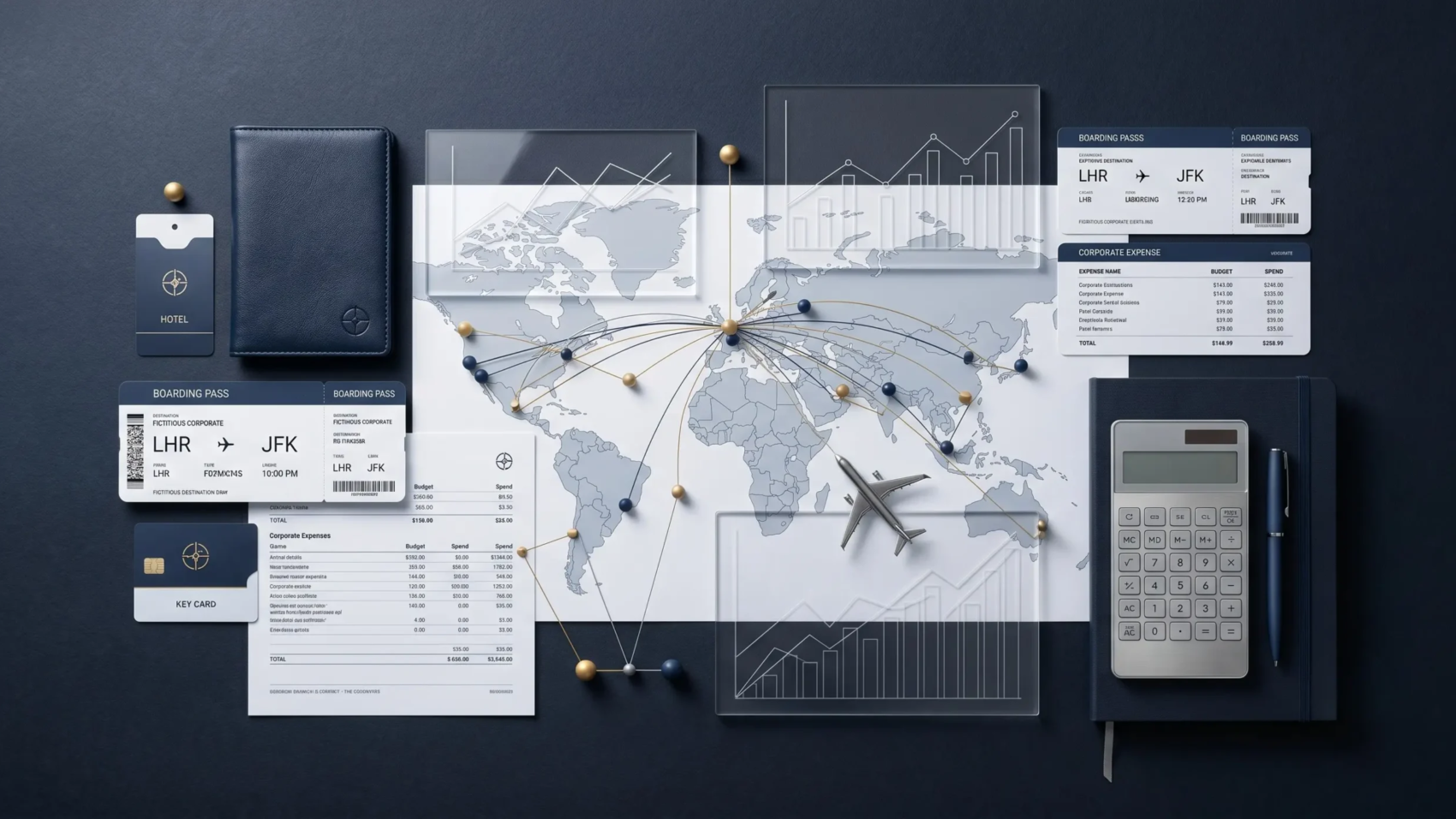

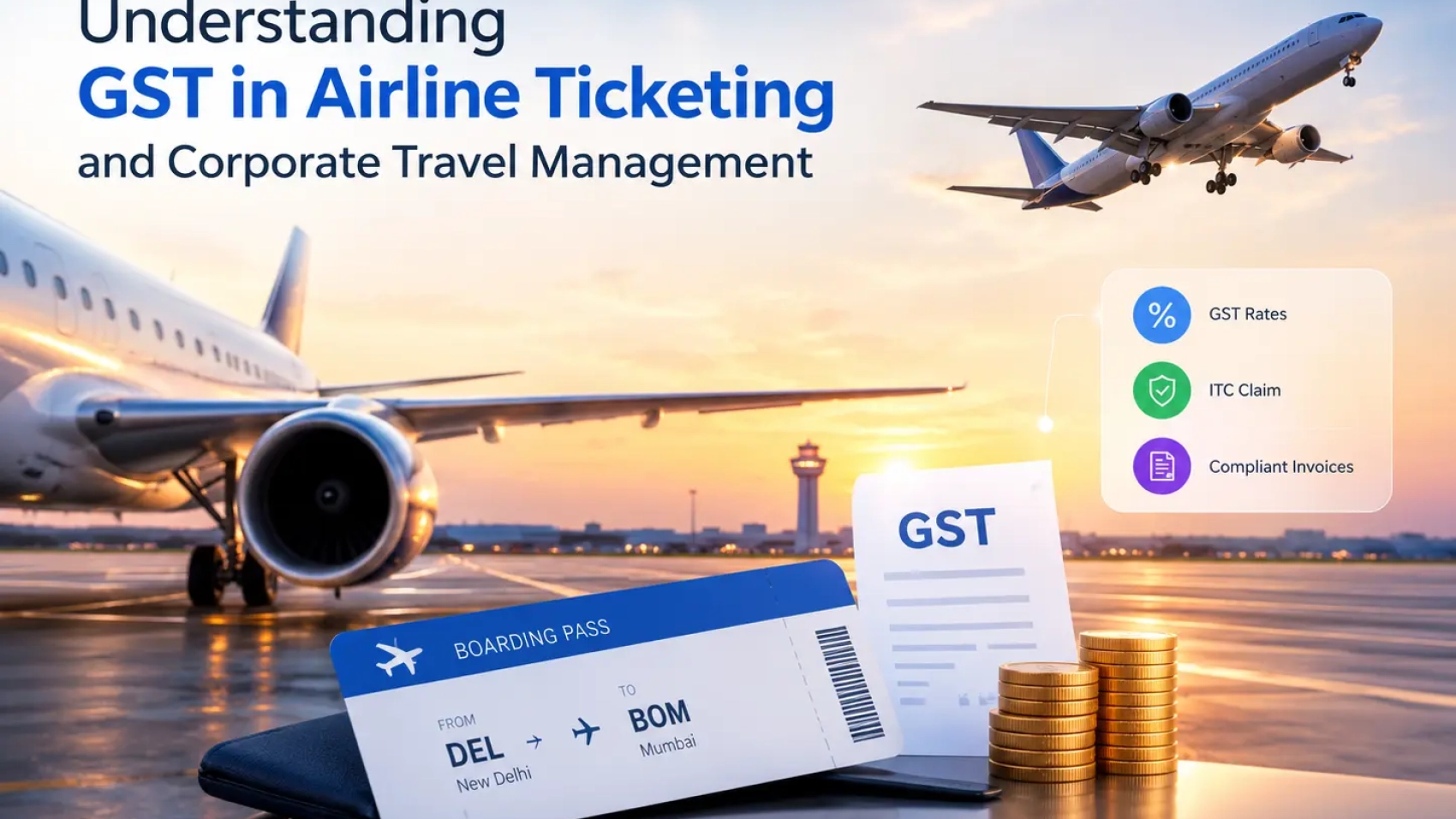
the growing importance of travel data in financial audits

The Growing Importance of Travel Data in Financial Audits

Corporate travel generates far more than flight tickets and hotel invoices. Every trip creates a trail of financial records, approvals, tax documents, and expense claims that eventually become part of a company’s financial reporting process.

The challenge is that many organisations still manage travel data across multiple systems. Employees book through different channels, approvals happen over email, and expenses are reconciled weeks after a trip is completed. When audit season arrives, finance teams often find themselves searching for missing records, verifying approvals, and explaining discrepancies.

As business travel spending continues to grow, travel data is becoming one of the most important components of financial audits. Accurate, accessible, and real-time travel information helps organisations strengthen compliance, improve spend visibility, and simplify audit preparation.

In this guide, we’ll explore why travel data matters, the risks of poor travel data management, and how companies can build audit-ready travel programs.

Why Travel Data Matters More Than Ever During Financial Audits

Business travel is no longer a simple expense category.

A single trip may involve multiple vendors, payment methods, tax documents, and approvals. Every transaction must be properly recorded, categorised, and supported with documentation.

This is where travel data becomes essential.

Travel data includes:

  • Flight and hotel booking information
  • Employee and department details
  • Travel approvals
  • Expense records
  • Tax invoices and GST documentation
  • Refunds and cancellations
  • Policy compliance records

For auditors, this information provides evidence that travel spending is legitimate, properly approved, and accurately reported.

For finance teams, it provides visibility into where money is being spent and whether company policies are being followed.

The importance of travel data has increased because organisations today face greater expectations around:

  • Financial transparency
  • Regulatory compliance
  • Cost control
  • Tax reporting accuracy
  • Internal governance

Without reliable travel data, these objectives become difficult to achieve.

Common Pain Points Finance Teams Face

Many audit challenges originate long before the audit begins.

Some of the most common issues include:

  • Missing invoices and receipts
  • Duplicate expense claims
  • Out-of-policy bookings
  • Unclear approval records
  • Inconsistent travel reporting
  • Difficulty tracking GST credits
  • Manual reconciliation across multiple systems

These problems create additional work for finance teams and increase the likelihood of audit findings.

The Audit Risks Hidden Inside Poor Travel Data

Travel spending often involves hundreds or even thousands of transactions every year. When travel data is fragmented, audit risks increase significantly.

Missing Documentation

Auditors need evidence for every expense.

If invoices, booking confirmations, or approval records cannot be located quickly, finance teams must spend valuable time reconstructing information.

This not only delays audits but can also raise questions about internal controls.

Policy Compliance Gaps

Most organisations maintain travel policies covering:

  • Flight class eligibility
  • Hotel budgets
  • Approval workflows
  • Expense limits

When travel data is incomplete, it becomes difficult to verify whether employees followed these guidelines.

As a result, compliance issues may remain hidden until an audit review.

Duplicate and Incorrect Claims

Manual expense processes often create opportunities for errors.

Employees may accidentally submit the same expense twice, or finance teams may approve claims without complete verification.

Without consolidated travel data, these mistakes are difficult to identify.

Tax and GST Compliance Challenges

Travel expenses often contain tax implications.

Missing invoices or incorrect supplier information can lead to:

  • Lost GST input tax credits
  • Inaccurate financial reporting
  • Additional scrutiny during tax audits

For Indian businesses, maintaining accurate travel-related tax records has become increasingly important as compliance requirements continue to evolve.

Limited Spend Visibility

One of the biggest risks is the inability to understand overall travel spending.

Finance leaders frequently struggle to answer questions such as:

  • Which departments spend the most on travel?
  • Which routes generate the highest costs?
  • How much spending occurs outside approved channels?

Without complete travel data, these insights remain difficult to obtain.

What Good Travel Data Reveals

Many companies view travel data simply as a record-keeping requirement.

In reality, it can become a powerful decision-making tool.

When travel information is centralised and accurate, it provides insights that go far beyond audit preparation.

Better Travel Spend Visibility

Travel data helps organisations understand:

  • Total travel expenditure
  • Department-wise spending
  • Cost centre allocations
  • Supplier performance

This visibility enables more informed budgeting and forecasting decisions.

Improved Policy Compliance

Travel data allows companies to measure:

  • Compliance rates
  • Approval trends
  • Policy exceptions
  • Booking behaviour

Instead of discovering issues months later, finance teams can identify patterns in real time.

Stronger Fraud Detection

Detailed travel reporting makes it easier to detect unusual activity.

Examples include:

  • Duplicate expense claims
  • Excessive spending patterns
  • Repeated policy violations
  • Unapproved bookings

These insights strengthen internal controls and reduce financial risk.

more accurate budget planning

More Accurate Budget Planning

Historical travel data provides valuable forecasting information.

Finance teams can use travel trends to:

  • Predict future spending
  • Build realistic budgets
  • Identify seasonal patterns
  • Evaluate supplier contracts

This transforms travel management from a reactive process into a strategic function.

Faster and More Efficient Audits

Perhaps the most obvious benefit is audit readiness.

When records are centralised and accessible, auditors can review transactions more efficiently.

This reduces:

  • Audit preparation time
  • Administrative workload
  • Manual reconciliation efforts

How Technology Makes Travel Audits Easier

Manual spreadsheets and disconnected systems were never designed for modern audit requirements.

As travel volumes grow, technology becomes essential for maintaining accurate and audit-ready records.

Centralised Travel Management

A centralised travel platform creates a single source of truth.

Instead of collecting information from multiple systems, finance teams can access:

  • Booking records
  • Expense reports
  • Approval histories
  • Compliance data

from one location.

This dramatically improves data accuracy and reporting consistency.

Automated Approval Workflows

Approvals are a critical component of audit reviews.

Modern travel management systems automatically record:

  • Approval requests
  • Approval dates
  • Approver details
  • Policy exceptions

This creates a clear audit trail without relying on email chains.

Real-Time Reporting and Dashboards

Real-time reporting gives finance teams immediate visibility into travel spending.

Instead of waiting for month-end reports, organisations can monitor:

  • Current travel expenses
  • Policy compliance rates
  • Departmental spending
  • Booking trends

This allows issues to be addressed before they become audit concerns.

Integrated Travel and Expense Management

One of the biggest challenges in financial audits is matching bookings to expense claims.

Integrated systems automatically connect:

  • Travel bookings
  • Invoices
  • Expense submissions
  • Reimbursements

This simplifies reconciliation and improves financial accuracy.

Platforms such as AtYourPrice help organisations move toward a more connected travel management environment where visibility, compliance, and reporting work together seamlessly.

Five Practical Steps to Build an Audit-Ready Travel Program

Improving travel data quality does not require a complete transformation overnight.

Most organisations can achieve significant improvements by focusing on a few key areas.

1. Standardise Travel Bookings

Encourage employees to use approved booking channels.

Consistent booking behaviour creates cleaner data and better visibility.

2. Centralise Travel Records

Store bookings, approvals, invoices, and expenses within a unified system whenever possible.

Centralisation reduces data gaps and simplifies reporting.

3. Automate Approval Processes

Replace manual approval methods with structured workflows that create permanent audit trails.

4. Monitor Compliance Regularly

Track policy compliance throughout the year rather than waiting for audit season.

Early intervention prevents larger problems later.

5. Review Travel Data Frequently

Regular reporting helps finance teams identify:

  • Cost trends
  • Compliance issues
  • Data quality concerns
  • Savings opportunities

The best time to prepare for an audit is long before the audit begins.

Frequently Asked Questions

Why is travel data important in financial audits?

Travel data provides evidence of spending, approvals, compliance, and tax documentation, helping auditors verify the accuracy of financial records.

What travel records should companies keep for audits?

Companies should retain invoices, booking confirmations, expense reports, approval records, reimbursement details, and GST-related documents.

How does travel data improve compliance?

Travel data helps organisations track policy adherence, approval workflows, and spending behaviour, making compliance easier to monitor and enforce.

What are the biggest travel audit risks?

Common risks include missing documentation, duplicate claims, policy violations, inaccurate expense reporting, and incomplete tax records.

How can travel management software help finance teams?

Travel management software centralises data, automates approvals, improves reporting, and creates audit-ready records that simplify financial reviews.

What metrics should finance leaders track?

Important metrics include travel spend, compliance rates, average trip cost, cancellation rates, booking behaviour, and department-level travel expenses.

Conclusion

Travel data is no longer just an operational record. It has become a critical financial asset.

As organisations face increasing pressure to improve compliance, transparency, and cost control, accurate travel data provides the foundation for stronger financial governance. It helps finance teams prepare for audits, identify risks, monitor spending, and make better business decisions.

Companies that continue to rely on fragmented travel processes often face unnecessary challenges during audits. Those that invest in centralised travel management gain greater visibility, stronger compliance controls, and more reliable reporting.

If your organisation wants to simplify audit preparation and gain complete visibility into travel spend, it may be time to rethink how travel data is managed.

Book a demo with AtYourPrice today and discover how a unified travel platform can help your finance team improve compliance, streamline audits, and take control of corporate travel data.

business travel reimbursements explained for finance team

Business Travel Reimbursements Explained for Finance Teams

Your inbox contains 47 expense reports from last month’s sales conference. One employee submitted a handwritten receipt photographed in poor lighting. Another combined three different trips into a single report. A third is claiming mileage for a route that makes no geographical sense.

Welcome to the daily reality of managing business travel reimbursements.

For finance teams, employee reimbursements represent one of the most time-consuming and error-prone processes in accounts payable. Between incomplete documentation and constant back-and-forth with employees, reimbursement management can consume dozens of hours weekly. This guide breaks down everything finance teams need to know about business travel reimbursements.

Understanding Business Travel Reimbursement Basics

What Qualifies as a Reimbursable Travel Expense

Business travel reimbursements cover costs employees incur while traveling for work. Common reimbursable expenses include transportation costs like airfare, train tickets, rental cars, and mileage for personal vehicle use. Lodging expenses cover hotel rooms and accommodation fees. Meals during travel qualify within specific per diem limits or actual expense policies.

Not everything qualifies for reimbursement. Personal entertainment, minibar charges, in-room movies, and excessive meal costs generally fall outside reimbursable categories. Your travel policy should clearly define these boundaries.

The Two Main Reimbursement Approaches

The actual expense method reimburses employees for exact amounts spent, supported by itemized receipts. This provides precise tracking but requires more documentation.

The per diem method pays fixed daily rates for meals and incidentals regardless of actual spending. This reduces paperwork since employees don’t need individual meal receipts. Many organizations use a hybrid approach, applying per diem for meals while requiring receipts for transportation and lodging.

Key Components of a Reimbursement System

Documentation Requirements

Proper documentation forms the foundation of any defensible reimbursement process. The IRS requires substantiation for business expense deductions, making thorough documentation a compliance necessity.

Acceptable documentation should include the date and location, the business purpose, and the amount spent. Receipts should be itemized rather than just showing totals.

For mileage reimbursement, employees need to track starting and ending locations, total miles driven, and the business purpose. Many finance teams require a mileage log maintained throughout the year.

Approval Workflows That Actually Work

Your approval workflow determines how quickly employees get reimbursed. Consider tiered approval based on expense amounts. Routine expenses under a threshold might require only manager approval, while larger amounts trigger finance review.

Automated routing based on employee role or expense type streamlines approvals significantly. When the system automatically sends reports to appropriate approvers, you eliminate manual forwarding.

Setting Appropriate Reimbursement Timelines

Industry standard processing typically ranges from 7 to 14 business days. Clearly communicate expected timelines to employees.

If an expense report requires corrections, the clock should reset from when the employee resubmits.

Common Reimbursement Categories Explained

Transportation Reimbursement

Airfare reimbursement typically covers economy class tickets booked in advance. Your policy should specify booking timeframes and whether employees can keep frequent flyer miles.

For rental cars, establish clear guidelines about vehicle class and insurance coverage. Mileage reimbursement uses the IRS standard mileage rate of 67 cents per mile for 2024, covering fuel, maintenance, insurance, and depreciation.

common reimbursements categories explained

Meal and Per Diem Reimbursement

If using actual expenses, specify whether alcohol is reimbursable and set reasonable limits per meal. Many organizations cap breakfast at $15-20, lunch at $20-30, and dinner at $40-60.

The GSA publishes federal per diem rates for US locations that many companies adopt. For international travel, the State Department publishes per diem rates for foreign locations.

Lodging and Accommodation Costs

Hotel reimbursement should specify whether you cover only the room rate or also taxes and resort fees. Many hotels charge mandatory fees adding 20-30% to the quoted rate.

Some organizations set nightly rate caps while others require reasonable mid-range accommodations. For extended stays, consider whether corporate housing makes more financial sense.

Incidental Expenses

Incidental expenses include tips, baggage fees, parking, and tolls. Set clear limits for tip percentages, typically 15-20% for meals and $2-5 per bag.

Wi-Fi charges are generally reimbursable when needed for business. Laundry services typically qualify on trips exceeding five days.

Regulatory and Tax Considerations

IRS Accountable Plan Requirements

To exclude reimbursements from employee taxable income, your program must meet IRS accountable plan requirements. Expenses must have a business connection, employees must adequately account for expenses within 60 days, and employees must return excess amounts within 120 days.

Record Retention Requirements

The IRS requires businesses to retain expense documentation for at least three years, though seven years is safer. Digital retention is acceptable if the imaging system accurately reproduces receipts.

State laws may impose longer retention requirements. Check your specific state requirements, particularly across multiple states.

Technology Solutions for Reimbursement Management

Expense Management Software

Modern platforms automate much of the reimbursement process. Employees can photograph receipts with mobile apps using OCR technology to extract expense details automatically.

Integration with corporate credit cards eliminates manual entry. Policy enforcement happens in real-time when software flags potential violations during submission.

Mileage Tracking Solutions

Dedicated apps use GPS to automatically log business trips. Integration with expense systems allows tracked trips to flow directly into expense reports.

Integration With Accounting Systems

Direct integration eliminates duplicate data entry. Approved expense reports automatically create journal entries, accounts payable records, and reimbursement payments.

Best Practices for Finance Teams

Create Crystal Clear Policy Documentation

Your reimbursement policy should answer every common question without requiring employees to contact finance. Include specific examples of reimbursable versus non-reimbursable expenses.

Organize information by traveler scenario rather than accounting category. Employees think about their conference trip, not your chart of accounts.

Implement Proactive Employee Education

New hire orientation should include reimbursement policy training, not just handing out documents. Walk through common scenarios using your actual system.

Before major travel periods, send policy reminders highlighting common mistakes. This reduces errors when submission volume spikes.

Standardize Your Review Process

Create a checklist for expense report review ensuring consistency across reviewers. Document decisions on edge cases and share them with all approvers.

Set clear escalation paths for questionable expenses. Reviewers should know when to seek guidance.

Monitor Key Performance Metrics

Track average processing time from submission to payment. Increasing times signal workflow bottlenecks.

Monitor rejection rates and reasons. High rejection rates for specific types indicate policy confusion.

Calculate cost per transaction, including staff time and system costs. This helps justify automation investments.

monitor key performance metric

Handling Difficult Reimbursement Scenarios

Policy Violations and Exception Requests

When employees submit non-compliant expenses, consistent and respectful communication maintains relationships while upholding standards. For genuine exceptions, create a formal request process.

Track exception patterns to identify whether policy needs adjustment. Repeated exceptions indicate your policy doesn’t reflect reality.

Disputed Reimbursements

Provide a clear appeals process with review by someone not involved in the original decision. Document the rationale behind disputed decisions thoroughly.

Lost Receipt Situations

Establish a lost receipt policy before you need it. Most organizations allow limited missing receipts per year, requiring a signed statement explaining the loss.

Set dollar thresholds for when receipts are absolutely required. Expenses under $25-75 might not require receipts.

Frequently Asked Questions

How long should expense reimbursement take?

Most organizations process reimbursements within 7-14 business days. Companies with automated systems often achieve 3-5 day turnaround.

What’s the difference between per diem and actual expense reimbursement?

Actual expense pays employees back for exactly what they spent with receipts. Per diem provides fixed daily amounts regardless of spending, eliminating meal receipts.

Are travel reimbursements taxable income?

Reimbursements under an accountable plan are not taxable. This requires business connection, timely substantiation, and returning excess amounts.

Can employees be reimbursed for meals on day trips?

Generally, meal reimbursement requires overnight travel or being away from work for more than 8-12 hours.

What mileage rate should we use?

Most organizations use the IRS standard mileage rate of 67 cents per mile for 2024.

Streamline Your Travel Reimbursement Process Today

Managing business travel reimbursements doesn’t have to consume endless hours. With clear policies, efficient processes, and modern technology, you can reduce processing time, improve accuracy, and increase employee satisfaction.

The key is moving from reactive expense management to a proactive system that prevents problems before they reach your desk.

Ready to transform your reimbursement process? Our platform helps finance teams cut processing time by up to 60% while improving compliance and satisfaction. Schedule a demo to see how automated expense management can free your team from reimbursement chaos.

practical guide to corporate travel budgeting

A Practical Guide to Corporate Travel Budgeting

Every finance manager has been there: your team member returns from a business trip with receipts that make your spreadsheet weep. A ₹15,000 dinner. Business class when company policy says economy. Three nights in a hotel when the meeting lasted one day.

Corporate travel spending in India reached ₹2.5 lakh crore in 2023, making it the second-largest controllable expense for most organizations. Yet surprisingly few companies have a structured approach to managing these costs. The result? Overspending, budget overruns, and constant friction between finance teams and traveling employees.

Here’s the good news: effective corporate travel budgeting isn’t about slashing costs or making your team miserable on the road. It’s about creating systems that balance employee comfort, business needs, and fiscal responsibility.

Understanding Your Current Travel Spending Patterns

Before you can improve your corporate travel budget, you need to know where your money is actually going. Start by pulling 12 months of travel expense data and categorize spending into buckets: airfare, lodging, ground transportation, meals, and miscellaneous expenses.

Pay attention to seasonal patterns. Many businesses see travel spikes around industry conferences, fiscal year planning, or Diwali-period client meetings.

Track these key metrics:

  • Average cost per trip by destination (metro vs tier-2 cities)
  • Percentage of bookings made within advance booking windows
  • Policy compliance rates
  • GST input credit recovery on travel expenses

Most organizations discover that 20% of their trips account for 80% of policy violations.

understanding your current travel spending pattern

Setting Realistic Travel Budget Allocations

Don’t create budgets based on arbitrary cuts. Your sales team visiting client sites in Mumbai has different needs than your engineers attending a conference in Bangalore.

Use a zero-based budgeting approach. Ask each department to justify their anticipated travel needs. When setting per diem rates, research actual costs in your most frequent destinations. A ₹800 daily meal allowance makes sense in Pune but won’t cover lunch in Gurgaon’s Cyber Hub.

Build in a 10-15% contingency reserve for unexpected travel needs. Tier your allowances: Delhi NCR, Mumbai, Bangalore, Hyderabad, Chennai, and Kolkata warrant higher daily allowances than tier-2 and tier-3 cities.

Creating a Corporate Travel Policy That Works

Your travel policy is only valuable if employees actually use it. Make it accessible and scannable, using clear language instead of corporate jargon.

Focus on these essential elements:

  • Approved booking platforms
  • Class of service guidelines for flights, trains, hotels, and cabs
  • Expense limits by category and city tier
  • Approval workflows for exceptions
  • GST documentation requirements

Include the “why” behind each rule. When employees understand that booking two weeks ahead saves 30%, they’re more likely to comply. Implement tiered approvals: routine trips get automatic approval, while international travel requires manager sign-off.

Leveraging Technology for Travel Budget Management

Corporate travel platforms like AtYourPrice integrate booking, expense tracking, and policy enforcement. These tools provide real-time visibility and automatically flag policy violations before money gets spent.

Navigating India-Specific Travel Considerations

Train Travel: For distances under 500 km or overnight journeys, trains often make more sense than flights. Define clearly when AC 2-tier, AC 3-tier, or chair car is appropriate.

Cab Aggregators vs Rentals: For multi-day trips in the same city, daily rentals prove more economical than multiple cab rides.

GST Compliance: Mandate proper GST invoices for all expenses. This directly impacts your input tax credit claims. Train employees to verify GSTIN on invoices.

Festival Season Planning: Travel costs surge 30-40% during national festivals. Plan accordingly.

Negotiating with Travel Vendors

Even mid-sized organizations can secure corporate rates. A guaranteed 50+ room nights annually unlocks 15-30% discounts.

IndiGo, Vistara, and Air India provide corporate booking programs with flexible rebooking and extra baggage.

Consider aggregator platforms that negotiate bulk rates. Their buying power often delivers better deals than you could secure independently.

Monitoring and Continuous Improvement

Establish monthly budget review meetings. Compare actual spending against projections and adjust forecasts for remaining periods.

Track these KPIs:

  • Spend variance by category and department
  • Average booking lead time
  • Policy compliance rates
  • GST input credit recovery percentage

Conduct quarterly policy reviews. Survey employees about pain points and benchmark costs against industry standards from GBTA India and CII.

Balancing Cost Control with Employee Experience

The cheapest travel policy isn’t always the most cost-effective. A well-rested employee who stays in a conveniently located hotel might close deals that justify the higher cost.

Build flexibility into policies. Allow premium economy for international flights over six hours. Permit higher hotel rates for extended trips where workspace matters. Your travel policy sends a message about company culture.

balancing cost control with employees experience

Maximizing Tax Benefits and GST Recovery

Ensure every expense comes with a proper GST invoice containing your company’s GSTIN. Many companies lose thousands because employees don’t collect proper documentation.

Use corporate credit cards with automatic GST invoice capture. Train your accounts team to maximize input credit claims. Hotel accommodation, airfare, and cab services attract GST at 5-18%. Proper documentation can recover this through input tax credit.

Conclusion: Transform Your Travel Budget into a Strategic Asset

Effective corporate travel budgeting is an ongoing commitment to financial discipline and employee satisfaction. Organizations implementing structured programs typically reduce spending by 15-25% while improving traveler satisfaction.

Start with understanding your spending patterns, set realistic allocations, and leverage technology to enforce policies. Your travel budget should enable business objectives, not constrain them. Every rupee saved can be redirected toward growth initiatives that drive long-term value.

Begin with one high-impact area – implementing a booking platform, negotiating hotel contracts, or improving GST compliance. Build momentum through quick wins, then expand systematically.

Ready to take control of your corporate travel spending? Contact our team today for a complimentary travel spend analysis. We’ll review your expenses, identify savings opportunities, and provide a customized roadmap for implementing a best-in-class travel management program. Book your free consultation now and discover how much your organization could save.

Frequently Asked Questions

What percentage of revenue should an Indian company spend on business travel?

Most Indian companies spend 6-10% of annual revenue on business travel. IT services firms spend higher (8-12%), while manufacturing companies spend less (4-6%). Focus on travel ROI—ensure each trip drives business value that justifies its cost.

Should we book trains or flights for business travel within India?

For distances under 400-500 km, trains often make more financial sense. A Mumbai-Pune flight costs ₹4,000-6,000 plus transit time, while AC chair car costs ₹500-800. For longer distances or time-sensitive meetings, flights justify the premium.

How do we handle GST on corporate travel expenses?

Collect GST invoices for all expenses—flights (5%), hotels (12% under ₹7,500, 18% above), cabs (5%), meals (5% or 18%). Use expense platforms that capture GST invoices digitally. Proper documentation recovers 5-18% of travel costs through input tax credit.

What’s the most cost-effective way to manage daily employee commutes for business?

Monthly cab passes or rental subscriptions prove most economical. For senior employees traveling over 1,000 km monthly, car allowances often cost less than daily cab expenses.

how to stay in control of corporate travel spend

Corporate Travel Spend in India Is Increasing. Here Is How to Stay in Control

Corporate travel in India has quietly become one of the fastest-growing cost centres for businesses. As teams expand into new markets, attend more client meetings, and return to face-to-face interactions, travel volumes are rising faster than most budgets anticipated. What looks like steady growth on paper often hides scattered bookings, rushed approvals, and costs that feel inevitable but are not.

The problem is not that companies are travelling more. The problem is that many are still managing travel with systems built for a very different scale. This blog explains why corporate travel spend in India is increasing and outlines practical, realistic ways to regain control without slowing down business momentum.

Why Corporate Travel Spend Is Rising Across India

India’s business landscape has changed rapidly over the last few years. Expansion into Tier 2 and Tier 3 cities, tighter sales cycles, and increased collaboration have all contributed to higher travel frequency.

Several factors are pushing spend upward at the same time:

  • Rising airfare volatility on domestic routes

  • Limited quality hotel inventory in smaller cities

  • Increased last-minute travel due to faster decision cycles

  • Continued dependence on reimbursements and local agents

Individually, these factors seem manageable. Together, they create steady cost inflation that often goes unnoticed until year-end reviews.

why corporate travel spend is rising across india

Fare Volatility Has Become the New Normal

Airfare pricing in India is no longer predictable. Dynamic pricing means fares change multiple times a day, especially on high-demand routes such as Mumbai to Delhi or Bengaluru to Hyderabad.

For companies, this results in:

  • Wide price differences for the same route within hours

  • Higher average ticket costs due to delayed bookings

  • Difficulty forecasting travel budgets accurately

When approvals lag behind fare changes, companies end up paying premium prices without realising it.

The Hidden Cost of Last-Minute Travel Decisions

Business urgency drives a large share of travel in India. Client meetings get confirmed late, plant visits shift suddenly, and leadership travel is often reactive.

Last-minute travel leads to:

  • Higher airfares and fewer seat options

  • Premium hotel rates during peak demand

  • Increased reliance on expensive cab services

Over time, this behaviour normalises higher spend, even when travel volumes remain stable.

Why Fragmented Booking Is a Cost Multiplier

Many Indian companies still allow employees to book travel through personal apps, regional agents, or informal vendor networks. While this offers flexibility, it comes at a cost.

Fragmented booking results in:

  • No single view of total travel spend

  • Inconsistent pricing for similar trips

  • Weak policy enforcement

  • Delayed financial visibility

As travel volumes grow, fragmentation magnifies inefficiencies instead of absorbing them.

Reimbursements Create Operational and Financial Strain

Reimbursement-driven travel is deeply embedded in Indian corporate culture. It feels simple, but it breaks down at scale.

Common issues include:

  • Employees carrying personal financial burden

  • High volumes of claims to audit manually

  • Increased risk of errors and policy violations

  • Delayed visibility into actual travel spend

Most importantly, reimbursements turn cost control into a post-spend activity rather than a planning function.

The GST Impact Many Companies Underestimate

Travel spend has a direct link to GST compliance and input tax credit. When bookings happen outside structured systems, tax leakage becomes common.

Typical GST challenges include:

  • Incorrect or missing GST details on invoices

  • Delayed receipt of compliant hotel invoices

  • Mismatches in GSTR-2B reconciliation

Even small gaps in compliance can translate into significant unrecovered amounts over a financial year.

Why Visibility Matters More Than Budget Caps

Many organisations attempt to control travel costs by tightening budgets or lowering reimbursement limits. While well-intentioned, this approach often misses the root cause.

What actually helps is visibility. Companies that see travel data in real time can:

  • Identify high-cost routes early

  • Spot frequent last-minute bookings

  • Compare costs across teams and regions

Visibility turns travel management from guesswork into informed decision-making.

Centralised Booking as a Foundation for Control

Centralising travel bookings does not mean removing flexibility. It means creating a single source of truth.

With centralised booking, companies gain:

  • Consolidated view of air, hotel, and ground transport

  • Consistent application of travel policies

  • Easier vendor negotiation based on real data

Smarter Travel Policies for Indian Conditions

One-size-fits-all travel policies rarely work in India. Travel conditions vary widely by city, region, and role.

Effective policies often include:

  • City-category based hotel limits

  • Route-specific airfare guidelines

  • Clear booking timelines with flexibility for exceptions

Policies should guide choices at the time of booking, not during claim audits.

smarter travel policies for indian conditions

Faster Approvals Are a Cost-Saving Tool

In a high-volatility pricing environment, speed matters. A delayed approval can increase ticket cost more than any negotiated discount can offset.

Modern approval workflows focus on:

  • Auto-approvals within defined limits

  • Real-time fare visibility for managers

  • Escalations only for true exceptions

This keeps costs down while reducing friction for employees.

The Role of Automation in Managing Scale

As travel volumes rise, manual checks become unsustainable. Automation allows companies to scale without adding complexity.

Key automation benefits include:

  • Flagging fares above route benchmarks

  • Enforcing policy rules automatically

  • Generating real-time spend dashboards

Automation supports control without slowing down travel.

How Finance Teams Regain Control Over Travel Spend

Finance teams often see travel costs only after they are incurred. This reactive position limits their ability to influence outcomes.

With better systems, finance teams can:

  • Track spend as bookings happen

  • Analyse trends by department or route

  • Forecast travel budgets with greater accuracy

Internal link suggestion
Corporate Travel Spend Analytics

HR’s Growing Influence on Travel Efficiency

Travel experience directly affects employee morale. Long booking delays, reimbursement stress, and inconsistent policies create frustration.

HR teams increasingly focus on:

  • Reducing employee out-of-pocket expenses

  • Simplifying booking processes

  • Ensuring fairness across roles and regions

Better travel management supports retention and productivity.

Vendor Management Becomes Easier with Data

When companies lack consolidated data, vendor negotiations rely on assumptions. With accurate booking data, discussions become grounded in facts.

Data enables:

  • Better hotel rate negotiations

  • Route-specific airline discussions

  • Evaluation of vendor performance

Over time, this leads to sustainable savings rather than one-time discounts.

Common Mistakes That Keep Travel Spend High

Many companies struggle with the same patterns year after year:

  • Allowing every team to book independently

  • Reviewing travel spend only quarterly

  • Treating policy violations as minor issues

  • Ignoring GST leakage until audits

Breaking these habits is often more impactful than cutting budgets.

What Leading Indian Companies Do Differently

Organisations that manage travel well tend to share a few practices:

  • They plan travel earlier wherever possible

  • They centralise bookings and data

  • They empower faster approvals with guardrails

  • They review travel trends monthly

Travel becomes a managed process rather than an afterthought.

Getting Started Without Disrupting Operations

Improving travel control does not require a complete overhaul overnight. Small, focused steps often deliver quick wins.

Start by:

  • Mapping current booking and approval timelines

  • Identifying top cost-driving routes

  • Centralising bookings for a pilot group

Early results help build internal confidence for wider adoption.

Frequently Asked Questions

Why is corporate travel spend increasing in India?
Rising airfare volatility, frequent last-minute travel, fragmented booking methods, and limited hotel inventory all contribute to higher costs.

Does centralised booking reduce flexibility for employees?
No. It provides structure and visibility while still allowing choice within defined policies.

How does faster approval help reduce travel costs?
Airfares increase closer to departure. Faster approvals help lock in lower prices.

What role does GST play in travel cost control?
Proper invoicing and reconciliation help companies recover eligible input tax credit and avoid leakage.

Is automation necessary for managing travel spend?
At higher volumes, automation reduces manual effort and improves consistency, making cost control sustainable.

Staying in Control as Travel Continues to Grow

Corporate travel in India is set to keep growing. Companies that rely on fragmented systems and reactive controls will continue to see costs rise without clarity.

Those that invest in visibility, speed, and structure can support business growth while keeping travel spend predictable and compliant.

If your organisation is looking to bring discipline and transparency to corporate travel, now is the right time to rethink how bookings and approvals are managed.
Get in touch with our team or book a demo to see how smarter travel management can help you stay in control as your business scales.

the complete guide to managing high-volume hotel bookings

The Complete Guide to Managing High-Volume Hotel Bookings for Sales and Field Teams

When your sales and field teams are always on the move, the one thing you can count on is a steady stream of hotel bookings. It looks simple until you try to manage it at scale. Rates jump without warning, invoices arrive late, reservations get lost, and teams end up booking outside approved channels when they are short on time.

If your organisation relies on frequent stays across cities, hotel management becomes more than a routine task. It turns into a strategic pillar of cost control, employee comfort, and productivity. This guide walks you through a practical, repeatable way to manage high-volume hotel bookings, whether you oversee a regional field force or a nationwide sales team.

Why Hotel Bookings Are Harder to Manage Than Flight Travel

Flights may take the spotlight, but hotels generate a larger volume of transactions. Each night is a separate charge. Each change in date affects availability. Each missed check-in can lead to no-show fees.

Companies that handle high-volume stays often run into problems such as:

  • Rates fluctuating across cities and seasons
  • Difficulties negotiating corporate rates without consistent data
  • Bookings split across multiple online and offline channels
  • Employees preferring to book consumer sites for convenience
  • Incomplete or delayed invoices
  • Lack of visibility into who stayed where and why

You cannot control every variable, but you can design a structure that reduces friction for employees and improves cost efficiency for your organisation.

why hotel bookings are harder to manage

Building a Centralised Strategy for Hotel Booking Management

A strong foundation begins with clarity. Sales and field teams have tight schedules and depend on predictable, safe, and accessible stays. That requires consistent processes and an ecosystem that removes guesswork.

1. Create a Clear Hotel Booking Policy That Works for the Field

Policies only work when they are designed around real travel conditions. A good hotel policy covers:

  • Eligible hotel categories and price caps
  • How far hotels should be from client locations or field sites
  • Safety requirements for late-night check-ins
  • Approved booking channels
  • Guidelines for personal loyalty points
  • When upgrades are allowed
  • Process for changes and cancellations

Keep the policy simple enough that employees remember it. Avoid technical language and long documents that no one reads.

2. Identify Your High-Density Travel Zones

Most field and sales movements follow patterns. Look at the last 6 to 12 months of hotel stays and identify:

  • Top ten cities by volume
  • Locations where employees frequently extend stays
  • Cities where rates fluctuate sharply
  • Regions where employees book far from work sites

Once you know where the demand is concentrated, focus your negotiations and processes around those locations.

Tip: High-density zones are usually the best places to negotiate stable corporate rates.

3. Consolidate Bookings Under One Platform

The biggest challenge in hotel management is scattered bookings. Employees book apps and consumer sites because they are fast. The result is poor visibility for the company.

A single booking platform solves this issue by offering:

  • Centralised inventory
  • Pre-configured budget ranges
  • Real-time availability
  • Policy checks during booking
  • Easy modifications
  • Access to GST invoices
  • Transparent rate comparisons

Platforms like AtYourPrice go a step further with AI-supported recommendations that highlight hotels with better value or compliance fit, giving employees convenience while helping companies avoid leakages.

4. Standardise Hotel Preferences Based on Trip Purpose

Field and sales teams travel for different reasons. A trip for client meetings is not the same as one for on-site inspections. You can classify stays into groups:

  • Short overnight stays
  • Multi-day client visits
  • Long project assignments
  • Peak-season business travel
  • Last-minute stays

For each category, create preferred hotel lists. This improves consistency and helps teams understand which options to choose without confusion.

5. Build Strong Hotel Partner Relationships

Negotiating better deals is easier when you have data. Hotels appreciate consistent volume, predictable payment cycles, and fewer no-shows. To get the best outcomes:

  • Share volume reports with hotels
  • Negotiate early for peak seasons
  • Agree on flexible cancellation terms
  • Discuss complimentary inclusions such as breakfast or Wi-Fi
  • Clarify billing terms and payment timelines


  • Request dedicated support contacts

A well-managed partnership reduces operational headaches and makes stays smoother for employees.

Ensuring Compliance Without Making Travel Harder

Compliance is often viewed as restrictive, but if implemented well, it supports both employees and the organisation. Instead of policing behaviour, build a system where the easiest option is also the compliant option.

1. Use Pre-Trip Controls Instead of Post-Trip Corrections

A common mistake is relying on expense reports to discover violations. By then, the damage is done.

Pre-trip controls avoid unnecessary spending through:

  • City-wise price caps
  • Real-time alerts for out-of-policy selections
  • Budget suggestions during booking
  • Automated rejection of bookings outside allowable ranges

This reduces back-and-forth with employees and eliminates confusion.

2. Make Booking Experience Faster Than Consumer Apps

The main reason employees book outside approved channels is ease. If the company’s system is slow, confusing, or outdated, people will look elsewhere.

To keep every reservation inside the platform:

  • Offer a mobile-friendly booking experience
  • Reduce the number of approval steps
  • Provide clear hotel descriptions and amenities
  • Allow quick rebooking when plans change

Systems like AtYourPrice help employees book within minutes while retaining complete policy oversight.

3. Improve Visibility for Managers

When managers know where their teams are staying, they can plan better and reduce risks. Provide supervisors with a simple dashboard that shows:

  • Who is travelling today
  • Where they are staying
  • How long they are booked for
  • Any policy alerts
  • Upcoming high-volume travel periods

This ensures operational readiness and personal safety for field staff.

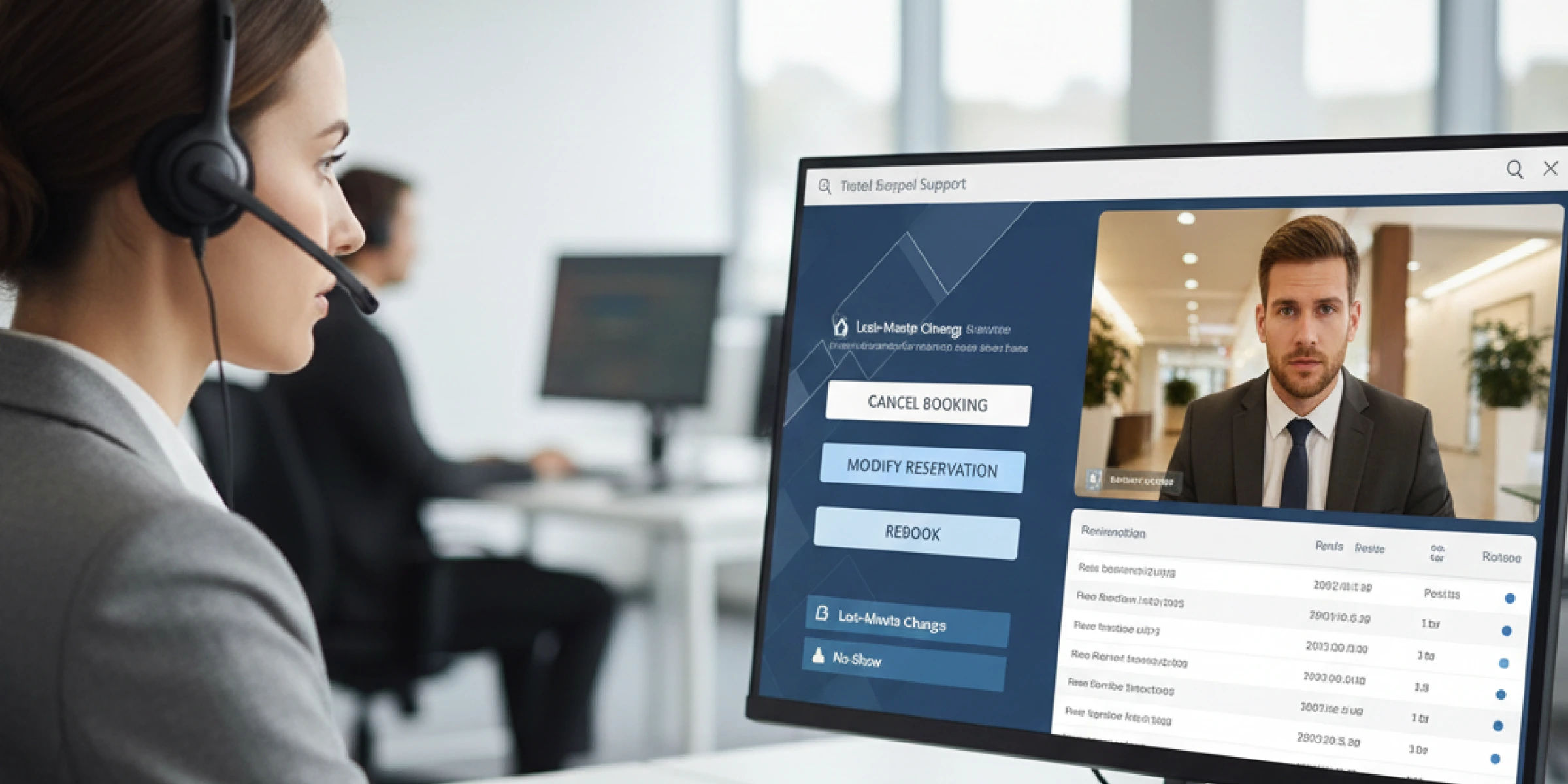
Handling Cancellations, No-Shows, and Last-Minute Changes

Sales and field teams have unpredictable schedules. Meetings shift. Field work gets extended. Plans change at the last minute.

A good hotel management system must adapt to these realities.

How to keep costs under control during last-minute changes

  • Negotiate lenient cancellation windows
  • Keep a list of hotels with flexible terms
  • Use a platform that allows instant modifications
  • Track no-show patterns to identify high-risk locations
  • Offer employees quick access to support when plans change

Clear communication around cancellations saves money and improves relationships with hotels.

handling cancellations, no-shows, last-minute changes

Building an Efficient Invoicing and Reconciliation Workflow

Hotel invoices are one of the most time-consuming parts of travel accounting. They arrive at different times, in different formats, and often with missing GST information.

To simplify reconciliation:

1. Shift to automated invoice collection

A travel platform that fetches invoices directly from hotels or partner systems removes manual follow-up. It ensures invoices are stored in one place with consistent naming formats.

2. Match invoices with booking data

Linking invoice details with booking IDs, employee names, stay dates, and GST numbers prevents mismatched records.

3. Maintain a database of GST-compliant hotel partners

This reduces errors during audit cycles and improves compliance.

AtYourPrice simplifies these tasks by tying bookings, invoices, and traveller data into a unified system. It eliminates the back-and-forth between finance, hotels, and employees, creating reliable datasets for audits and forecasting.

Using Data Insights to Optimise High-Volume Stays

Once bookings are consolidated, you gain access to rich information that can drive major cost savings.

Key insights to track

  • City-wise average nightly rates
  • Hotel-wise performance in top locations
  • Route patterns of field teams
  • Lead times for bookings
  • Budget deviations
  • Peak travel weeks and months
  • No-show trends
  • Off-channel leakage

These insights help you identify where you need stronger corporate rates, where employees may need training, and which hotels offer the best value for each zone.

FAQs: What People Also Ask

1. How do companies manage high-volume hotel bookings?

Companies manage high-volume stays by centralising bookings, creating clear policies, consolidating invoices, and using travel platforms that streamline approvals and reporting.

2. What is the best way to negotiate hotel rates for sales teams?

The best approach is to analyse historical data, identify high-demand cities, share regular forecasts with hotels, and secure annual or seasonal rate agreements.

3. How can organisations reduce hotel booking costs?

Cost reduction comes from using preferred hotel lists, enforcing policy through pre-trip controls, negotiating based on accurate data, and consolidating bookings through a single platform.

4. Why do sales teams frequently book outside approved channels?

They often choose consumer apps because of convenience. A fast and easy internal platform reduces this behaviour.

5. How can travel managers improve hotel booking compliance?

Provide clear policies, enable quick bookings, offer mobile access, and use automated approval workflows.

Conclusion: A Better Way to Manage High-Volume Hotel Bookings

Hotel stays form a large share of travel budgets, especially for sales and field teams. When bookings are scattered or policies are unclear, costs rise and visibility drops. But with a structured approach, centralised systems, and reliable data, you can transform hotel management from a daily struggle to a predictable, efficient process.

If you want to streamline hotel bookings, reduce leakage, and gain full visibility over stay patterns, explore how AtYourPrice can help you build a modern hotel programme.

Book a demo today and see how simple high-volume hotel management can become.

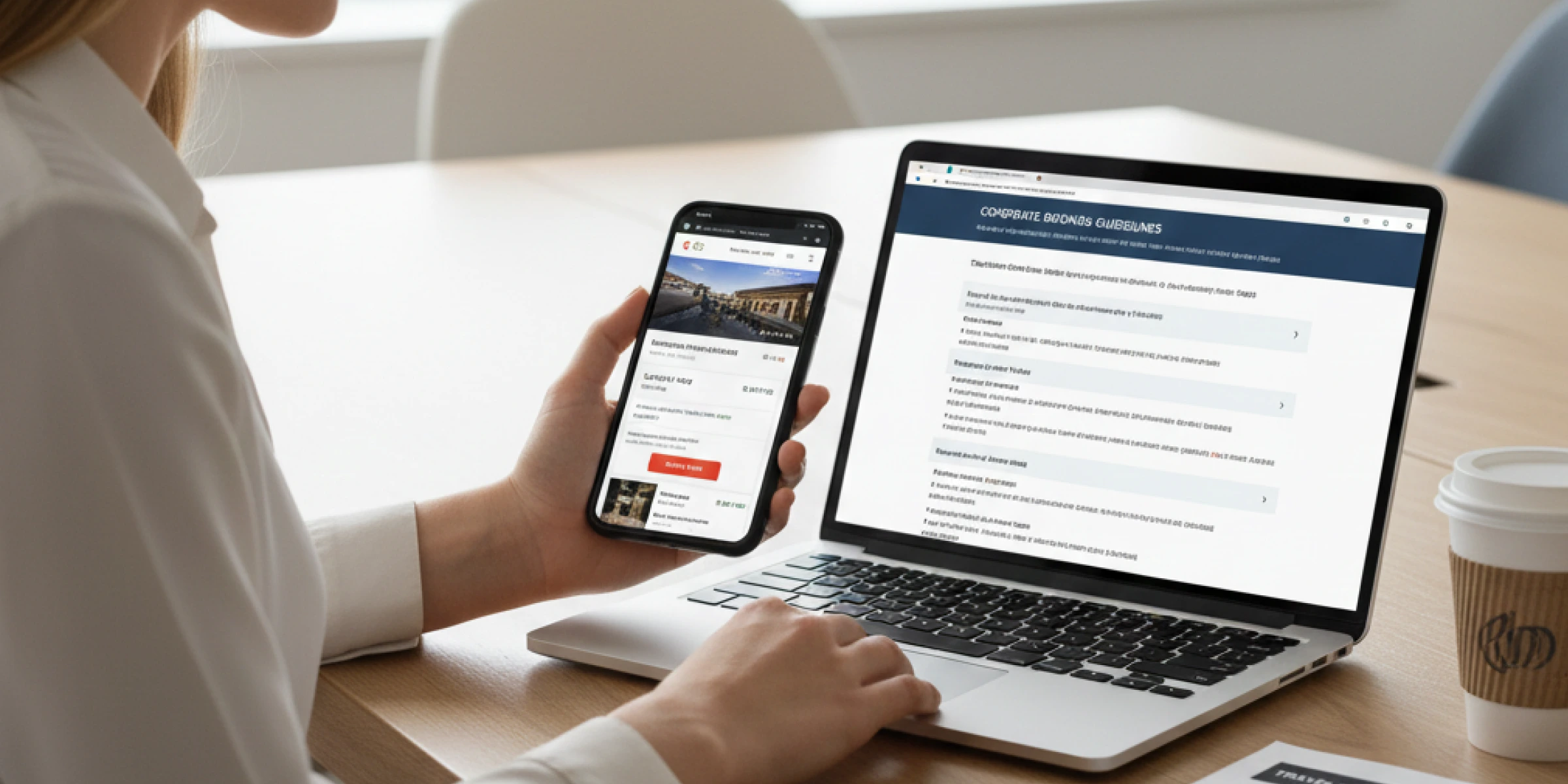
simplifying corporate hotel bookings for business travellers

Simplifying Corporate Hotel Bookings for Business Travelers

Booking hotels for business travel shouldn’t feel like managing a dozen moving parts. Yet, for most organizations, it often does — juggling endless emails, inconsistent rates, delayed approvals, and last-minute booking chaos.

If your travel or finance team spends more time fixing hotel booking issues than managing strategy, it’s time to simplify.

In today’s digital-first world, corporate hotel booking is evolving fast — and smart companies are ditching manual processes for intelligent platforms that make every stay seamless, compliant, and cost-effective.

Let’s explore how you can simplify hotel bookings for your business and why platforms like AtYourPrice are helping organizations streamline the entire process from search to stay.

The Hidden Complexity of Corporate Hotel Booking

On the surface, booking a hotel room seems easy. But in corporate travel, things get complicated quickly.

From ensuring employees book within policy to tracking rates, taxes, and invoices — traditional processes are riddled with inefficiencies.

Here’s what typically goes wrong:

  • Multiple booking channels create confusion and inconsistent pricing.
  • Lack of visibility into negotiated corporate rates leads to overspending.
  • Manual approvals slow down confirmations.
  • Disorganized invoices make reconciliation a nightmare.
  • Missed GST credits add up to substantial hidden losses.

Sound familiar? You’re not alone. For most growing businesses, this has been the reality for years — until technology changed the game.

the hidden complexity of corporate hotel booking

The Shift to Smart Hotel Booking Platforms

Corporate travel management has entered a new era. Businesses are moving from fragmented, manual hotel booking processes to centralized, automated systems that simplify the entire journey.

Instead of relying on travel agencies or ad-hoc online bookings, companies are adopting corporate hotel booking platforms like AtYourPrice, which combine:

  • Real-time hotel inventory, including corporate-negotiated rates.
  • Automated approvals and policy controls.
  • Centralized billing and GST reconciliation.
  • Integrated reporting and spend analytics.

The result? A process that’s faster, more transparent, and significantly easier to manage — whether you’re booking for 10 employees or 1,000.

Why Simplifying Corporate Hotel Booking Matters

Simplification isn’t just about convenience — it directly impacts your bottom line and employee satisfaction.

Here’s why:

1. Better Control Over Travel Spend

When bookings happen across multiple websites or agents, there’s no centralized view of total hotel spend.
Smart platforms bring everything under one dashboard, giving you:

  • Rate comparison across channels.
  • Corporate rate enforcement.
  • Real-time spend tracking.

Finance teams can instantly see where every rupee is going — no more end-of-month surprises.

2. Policy Compliance Made Effortless

Policy enforcement is one of the toughest parts of travel management. Employees often choose convenience over compliance, especially when they’re in a hurry to book.

Platforms like AtYourPrice ensure policies are applied automatically during booking — setting parameters for:

  • Maximum room rates by city or department.
  • Preferred hotel chains or properties.
  • Booking advance requirements.

This reduces policy violations and ensures your travel budget stays on track.

3. Time Saved for Everyone

Hotel booking requests often involve multiple approval layers. Traditional methods mean waiting for emails and follow-ups.
Automation changes that.

With customized approval workflows, approvers get instant notifications with all relevant trip details — including estimated costs and policy checks — allowing them to approve with one click.

That means:

  • Faster confirmations.
  • No missed rate deadlines.
  • Less back-and-forth communication.

Your travel program runs smoother, and employees spend more time on business, not booking logistics.

4. Consistent Traveler Experience

When your team travels, consistency matters. Whether it’s ensuring comfort, safety, or proximity to meeting venues, a reliable booking process builds trust.

With a platform like AtYourPrice:

  • Employees can book pre-approved hotels within minutes.
  • They get real-time confirmation and itinerary details.
  • Travel managers maintain complete visibility on every stay.

This consistency improves employee satisfaction — an often overlooked benefit of streamlined travel management.

5. Simplified Billing and Reconciliation

Tracking hundreds of hotel invoices manually is inefficient and error-prone.

Smart booking platforms centralize billing — consolidating multiple bookings into a single, itemized invoice for easy processing.

Better yet, they support:

  • Automated GST invoice collection from hotels.
  • Tax validation to ensure all eligible input credits are captured.
  • Data integration with expense management tools for smooth reconciliation.

This reduces administrative workload and ensures financial accuracy.

How AtYourPrice Simplifies Corporate Hotel Booking

AtYourPrice is designed to remove friction from every stage of the hotel booking process — helping businesses manage travel smarter, not harder.

Here’s how it works:

1. Unified Hotel Search and Booking

With AtYourPrice, employees can search and book hotels across multiple inventories — including global chains, local properties, and negotiated corporate rates — all in one interface.

Key features:

  • Smart rate comparison: Ensures you always get the best available option.
  • Custom tagging: Easily identify preferred hotels or frequently visited cities.
  • Mobile accessibility: Book and manage stays on the go.

This eliminates the need for third-party sites or offline coordination, ensuring every booking is tracked and policy-compliant.

2. Automated Approval and Policy Controls

Every organization has unique travel policies — AtYourPrice lets you configure them easily.

  • Set rate caps by city or employee grade.
  • Require approvals for bookings that exceed limits.
  • Get instant alerts for exceptions.

These features ensure employees book responsibly while maintaining the flexibility they need.

3. Centralized Billing & Invoicing

AtYourPrice simplifies payments with centralized billing — hotels are paid through a single channel, and your company receives consolidated invoices.

Benefits include:

  • Reduced manual reconciliation.
  • Single GST-compliant invoice for multiple stays.
  • Easy integration with your finance or ERP systems.

This reduces finance overheads while improving transparency across departments.

4. Real-Time Spend Analytics

Understanding where your hotel spend goes is critical for cost optimization.

AtYourPrice provides interactive dashboards showing:

  • Hotel spend by department, traveler, or destination.
  • Top-booked properties and rate patterns.
  • Opportunities for future rate negotiations.

With these insights, you can negotiate smarter, enforce policies effectively, and plan budgets with confidence.

real time spend analytics

5. Integrated GST Reconciliation (Auto GST Reclaim)

Many businesses lose out on GST refunds due to missing or mismatched invoices.

AtYourPrice’s integration with Auto GST Reclaim automates the process:

  • Fetches invoices directly from hotel partners.
  • Matches them with booking data.
  • Flags mismatches for correction.

This ensures maximum GST reclaim with minimal manual effort — turning potential losses into savings.

Corporate Hotel Booking Best Practices

Simplifying hotel bookings is easier when you have a clear process. Here are a few best practices to follow:

  • Standardize your preferred hotels in key cities to secure consistent rates.
  • Define clear booking policies — including rate limits, approval layers, and exceptions.
  • Leverage analytics to identify booking patterns and negotiate better deals.
  • Automate wherever possible — from approvals to GST reconciliation.
  • Train employees to use your platform effectively for higher adoption.

Traditional Hotel Booking vs. Smart Platform Approach

Aspect

Traditional Hotel Booking

Smart Platform (e.g., AtYourPrice)

Booking Process

Manual, fragmented

Centralized, automated

Policy Compliance

Inconsistent

Rule-based enforcement

Pricing

Varies across channels

Real-time rate comparison

Billing

Multiple invoices

Consolidated, GST-compliant

Reporting

Manual reports

Real-time analytics

Employee Experience

Inconvenient

Seamless and self-service

FAQs on Corporate Hotel Booking

1. What is a corporate hotel booking platform?

It’s a centralized tool that allows companies to book, manage, and track employee hotel stays while enforcing policies and simplifying billing.

2. How does AtYourPrice simplify hotel bookings?

AtYourPrice provides one platform for all hotel needs — from searching and booking to approvals, invoicing, and GST reconciliation — reducing manual work and ensuring cost efficiency.

3. Can small businesses use corporate hotel booking platforms?

Yes. Platforms like AtYourPrice are scalable, making them ideal for startups and mid-sized businesses looking for better control over travel spend.

4. What’s the advantage over booking directly with hotels or OTAs?

Corporate booking platforms offer negotiated rates, automated compliance, centralized billing, and analytics — benefits not available on consumer sites.

5. How does GST reconciliation work for hotel stays?

Automated systems like Auto GST Reclaim fetch and verify hotel invoices, ensuring all eligible input tax credits are accurately claimed.

Conclusion: Simplify, Save, and Scale with AtYourPrice

Corporate hotel booking doesn’t have to be complicated. With the right tools, it can be one of the most efficient parts of your business travel strategy.

AtYourPrice helps you centralize, automate, and optimize every booking — ensuring compliance, maximizing GST savings, and giving your employees a seamless travel experience.

Whether you’re a small business or a large enterprise, it’s time to move beyond manual hotel booking chaos and embrace the smarter way to manage corporate stays.

Explore how AtYourPrice can simplify your company’s hotel booking today — book a demo and see the difference.

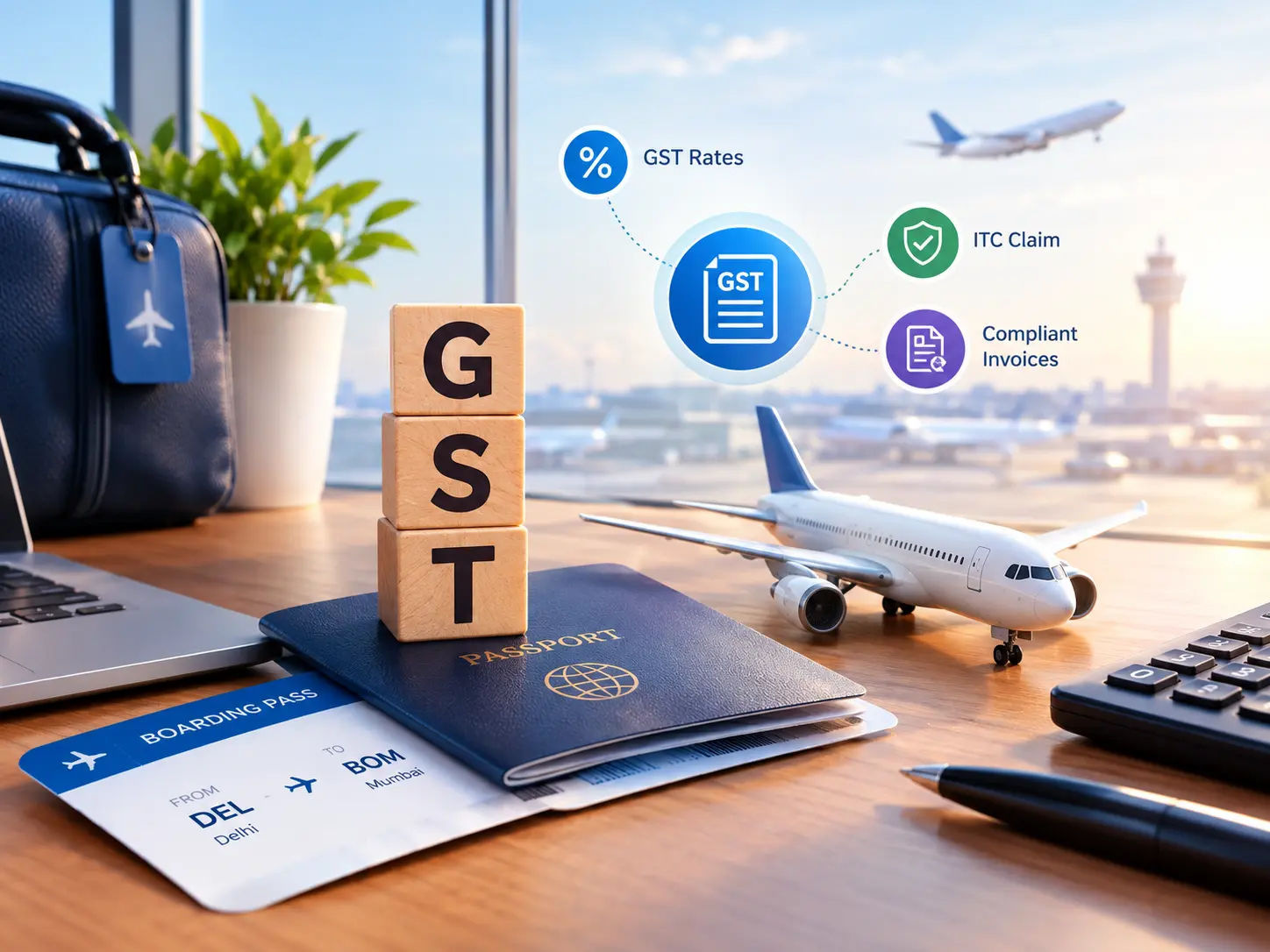
How-to-claim-input-tax-credit-for-your-business-travel

How to claim input tax credit for your business travel?

GST is one of the biggest tax reforms which changed the way we Indians, carry out business. GST acronym for Goods And Service Tax was launched with the primary intention to reduce all the indirect taxes into one single tax structure.

But then the sudden introduction of a new tax structure has left most of us bewildered. This can be attributed to the fact of our lack of knowledge but in reality, GST has made life a lot simpler and reduced the number of complicated tax calculations. The best part about GST is, it has helped all the corporate people to save their business expenses through the process of claiming their input credits.

What is Input tax credit?

In simple words, input tax credit will help you to reduce the tax you are paying on sales, from the tax you have already paid on the purchase.

For example, if you are a corporate :

The tax you pay for the sales of good is Rs 500

The tax you have already paid when you made a travel is Rs 400

So, You can claim input credit of Rs 400 and pay only Rs 100 in taxes.

Impact of GST on Business Travel

Business travel forms an integral part for any organization. In most companies, it is one of the highest spending sectors. Corporates can control these expenses and claim input tax credit through GST compliant invoices.

Economy class air travel will become cheaper whereas business class will become dearer. Similarly, non AC travel in trains will not be affected while ticket prices for AC trains will go up marginally.

Economy class: 5 %

Business class: 12 %

Non AC train tickets: Tax free

AC train tickets: 5 %

What do you require to claim input tax credit?

People traveling for business purposes are now requested to submit GST compliant invoices to avail input tax credit benefits under the goods and services (GST) regime. Make sure your business travel solution provider is GST ready so that you do not lose out on the benefits. It is essential you have GST compliant invoice from both the airline and your travel solution provider to claim the input tax credit.

Let’s have a look how your travel solution provider can help you to claim input tax credit :

Consider ABC corporate needs to claim input tax credit and AtYourPrice is its business travel solution provider. ABC corporate need to provide AtYourPrice with its GST identification number. AtYourPrice helps ABC corporate to obtain the GST compliant invoice from respective airline service provider. Also, it issues invoices for travel bookings according to GST compliance with the following information mentioned on it.

ABC corporate’s Registered GST number

ABC corporate’s Registered contact number

ABC corporate’s Registered GST Billing Address

ABC corporate’s Registered E-Mail Address

AtYourPrice’s GST number

Whenever any employee, books air ticket AtYourPrice auto captures all the details of ABC corporate and provides a GST compliant invoice for each booking. Hence by having GST compliant invoices from travel vendors, corporates can upload their bills into the government website which will help them in claiming the input credits on business travel expenses.

If you are a corporate and looking to claim your Input Tax Credit with GST compliant invoices, AtYourPrice is the perfect fit for you. AtYourPrice is a robust web-based business travel solution that automates travel planning, requisition, approval, fulfillment, invoicing, reporting and duty of care. Today AtYourPrice is a travel solution choice for more than 250 corporates in India.

Click on the video link, to know more about how you can claim the input tax credit for your business travel.