A finance leader reviews the quarterly expense report and notices something odd. Air travel spending has climbed by nearly twenty percent. No major expansion happened during that period, and travel volumes appear stable.
Where did the extra cost come from?
In many companies, the answer is hidden inside fragmented booking tools, scattered invoices, and delayed expense reports. Without clear visibility, travel managers and finance teams struggle to understand what is actually happening inside the corporate travel program.
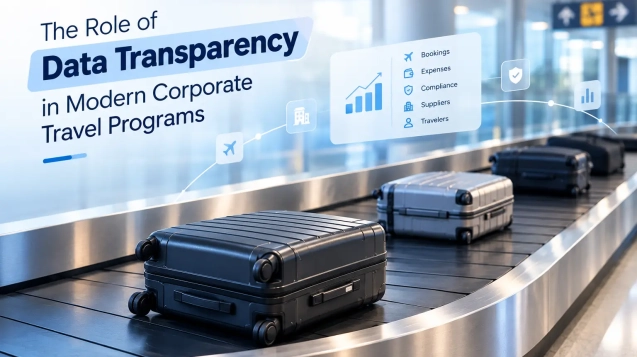
This is why data transparency in corporate travel has become a central priority. Organisations now expect real-time insight into bookings, traveller behaviour, policy compliance, and supplier performance. When data is visible and accessible, companies can manage budgets more effectively, improve traveller experience, and reduce operational risk.
This guide explains how travel data transparency strengthens modern corporate travel programs and outlines practical ways organisations can build a data-driven approach to travel management.
What Data Transparency Means in Corporate Travel
Data transparency refers to the ability to access clear, accurate, and timely information about every part of a company’s travel program.
Instead of relying on manual spreadsheets or delayed reporting, organisations can view travel activity across multiple dimensions:
- Total travel spend
- Bookings by department or region
- Supplier usage patterns
- Policy compliance levels
- Traveller behaviour trends
Transparent data allows travel managers and finance teams to move from reactive oversight to proactive decision making.
Industry bodies such as the Global Business Travel Association often highlight data visibility as one of the most important elements of modern travel management.
Why Data Transparency Matters More Than Ever
Corporate travel programs have become more complex. Employees travel across multiple regions, suppliers use dynamic pricing models, and travel disruptions occur more frequently.
Without reliable data, companies face several challenges.
Limited Budget Control
If travel spending is only reviewed after trips are completed, finance teams cannot correct problems early.
Policy Compliance Issues
Travellers may unintentionally book outside approved guidelines when policies are unclear or difficult to follow.
Supplier Negotiation Challenges
Companies negotiating airline or hotel agreements need accurate usage data to secure favourable terms.
Traveller Safety Concerns
During disruptions or emergencies, organisations must know where employees are travelling.
Data transparency strengthens all these areas simultaneously.
Key Data Sources in a Corporate Travel Program
A travel program generates information from several sources. When these sources remain disconnected, visibility disappears.
The most important travel data sources include:
Booking Data
Booking data reveals:
- Airline selections
- Travel routes
- Hotel choices
- Booking timelines
For example, frequent travel between Bengaluru and Delhi may signal an opportunity for airline partnerships or negotiated fares.
Expense Data
Expense reports provide insight into actual travel spending.
This includes:
- Ground transportation costs
- Meal expenses
- Additional charges during disruptions
Combining booking data with expense data creates a more accurate picture of travel costs.
Supplier Performance Data
Companies also collect information on airline and hotel partners.
Metrics may include:
- Average ticket prices
- On-time performance
- Service reliability
Airlines such as IndiGo and Air India often serve high-frequency business routes, making supplier performance analysis particularly valuable.
Traveller Behaviour Data
Traveller behaviour influences overall program efficiency.
Useful insights include:
- Advance booking patterns
- Preferred airlines and hotels
- Compliance with travel policies
Understanding these patterns helps companies design policies that employees can realistically follow.
The Benefits of Travel Data Transparency
Transparent travel data creates measurable advantages across the organisation.
Better Cost Control
With real-time spending visibility, travel managers can identify cost spikes early.
Examples include:
- Increased last-minute bookings
- Unexpected hotel rate increases
- Departments exceeding travel budgets
Early detection allows companies to adjust policies or communicate with travellers before costs escalate.
Stronger Supplier Negotiations
Negotiating airline and hotel agreements requires credible data.
Companies can present information such as:
- Total annual flight volume
- Most travelled routes
- Preferred accommodation locations
With clear data, suppliers are more likely to offer competitive corporate rates.
Improved Policy Compliance
When travel policies integrate with booking tools, employees see approved options automatically.
Transparent reporting allows travel managers to monitor:
- Out-of-policy bookings
- Frequent exceptions
- Departments with high compliance rates
This visibility encourages consistent behaviour across the organisation.
Enhanced Traveller Safety
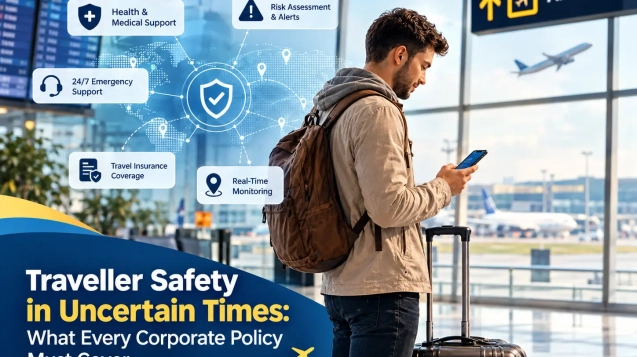
Traveller safety relies on knowing where employees are located.
Travel management platforms provide location visibility for employees travelling through cities such as Mumbai or Singapore.
During disruptions, organisations can quickly identify affected travellers and provide assistance.
How Technology Enables Data Transparency
Technology plays a central role in modern travel data visibility.
Corporate travel management platforms consolidate information from multiple sources into a single dashboard.
Key features typically include:
- Real-time booking data
- Automated policy enforcement
- Integrated expense tracking
- Travel analytics dashboards
Instead of reviewing reports weeks after trips occur, travel managers can monitor activity as it happens.
This immediate visibility makes it easier to control spending and respond to travel disruptions.