

airfare price drops

Airfare Price Drops: How LFSA Technology Can Lock in the Lowest Fares

Picture this: you book a flight for your company’s next business trip at ₹18,000. Two days later, the same ticket is available for ₹13,500. That’s a ₹4,500 difference on just one booking—and if you multiply that across an entire travel program, the losses add up quickly.

This scenario is more common than most companies realize. Airline ticket prices are dynamic and can fluctuate multiple times a day based on demand, seat availability, and competition. The question is: how can businesses avoid overpaying when prices drop after booking?

That’s where LFSA (Low Fare Search & Automation) technology comes in. Let’s explore how it works, why it matters, and how it helps companies consistently lock in the lowest fares for corporate travel.


Why Airfare Prices Change So Often

Airline ticket pricing is notoriously unpredictable. Unlike fixed retail pricing, airfares are influenced by a complex mix of factors.

Some key drivers of price changes include:

  • Demand surges: Popular routes and peak seasons see rapid hikes.

  • Seat inventory: As the cheapest fare buckets sell out, prices increase.

  • Time to departure: Fares typically rise closer to travel dates.

  • Competitor actions: A rival airline lowering fares can trigger instant price drops.

  • Market algorithms: Airlines use revenue management systems to adjust fares in real time.

For businesses that book multiple trips every month, this volatility creates hidden costs that are hard to track and harder to control.


The Hidden Cost of Missed Price Drops

Most companies assume that once a flight is booked, that’s the end of the story. But the reality is:

  • A fare may drop within hours or days of booking.

  • Without monitoring tools, companies rarely notice these changes.

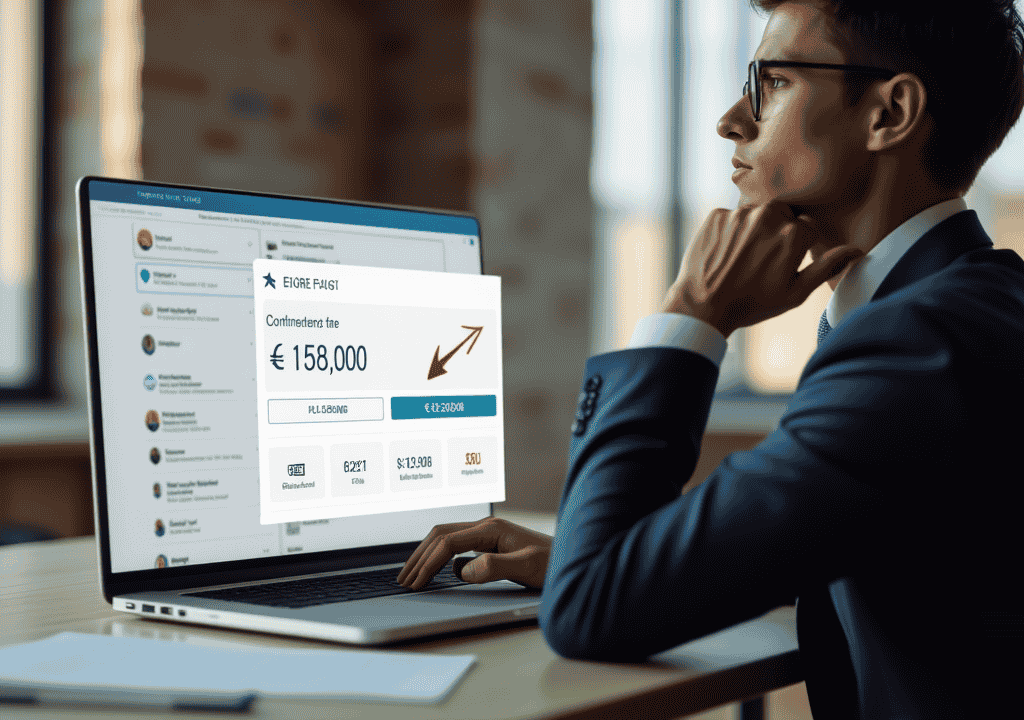
  • Even small per-ticket differences (₹1,000–₹3,000) can accumulate to lakhs annually for medium-sized enterprises.

This creates a paradox: while companies focus heavily on negotiated corporate fares and travel policies, they lose money on something as simple as unmonitored price drops.
hidden cost of missed price drops

What is LFSA Technology?

Low Fare Search Automation (LFSA) is a technology designed to address exactly this problem.

Here’s how it works:

  • Continuous Monitoring: LFSA tracks airfare fluctuations even after a booking is made.
  • Fare Drop Alerts: If the price for the same flight drops, the system notifies the company or automatically takes action.
  • Automated Rebooking: The platform cancels and rebooks at the lower fare (subject to airline rules), securing the savings.
  • Policy Integration: It ensures rebooking happens within corporate travel policies—no compliance compromises.

The result? Consistent cost savings without manual effort.

How LFSA Helps Companies Save More

Let’s look at the practical benefits of LFSA for corporate travel programs.

1. Guaranteed Lowest Fare Access

Instead of worrying about whether you booked too early or too late, LFSA ensures that you always pay the lowest available price, even if the fare drops later.

2. Automated Savings Without Admin Hassles

Without LFSA, companies would need to manually monitor fares daily, which is impractical. Automation eliminates this burden by handling rebookings seamlessly.

3. Transparent Reporting

LFSA-enabled platforms generate reports on savings captured from fare drops, making it easier for finance and procurement teams to quantify ROI.

4. Greater Control Over Travel Budgets

By plugging fare leaks that often go unnoticed, companies get tighter control of travel costs—helping them stay within budgets and meet cost-efficiency targets.

5. Employee Satisfaction

Travelers benefit from policy-compliant bookings that still save money. Plus, they’re reassured knowing the company has tools to minimize overspending.

Challenges Without LFSA Technology

Companies that don’t use LFSA often face these issues:

  • Missed savings from untracked fare drops.

  • Employee frustration when they notice cheaper fares later.

  • Policy compliance risks if employees try to rebook independently.

  • Administrative overload for travel managers trying to chase refunds or credits.

Essentially, without automation, the corporate travel program is leaving money on the table.

How AtYourPrice Uses LFSA to Lock in the Lowest Fares

AtYourPrice integrates LFSA technology into its platform, making it simple for businesses to maximize savings.

With AtYourPrice, companies get:

  • Automated fare monitoring across multiple global distribution systems and direct vendor feeds.

  • AI-powered rebooking workflows that secure savings without manual intervention.

  • Policy alignment ensuring compliance while still capturing cost reductions.

  • Centralized dashboards showing real-time savings and missed opportunities avoided.

  • Integrated expense reporting so finance teams see the full impact of LFSA on the T&E budget.

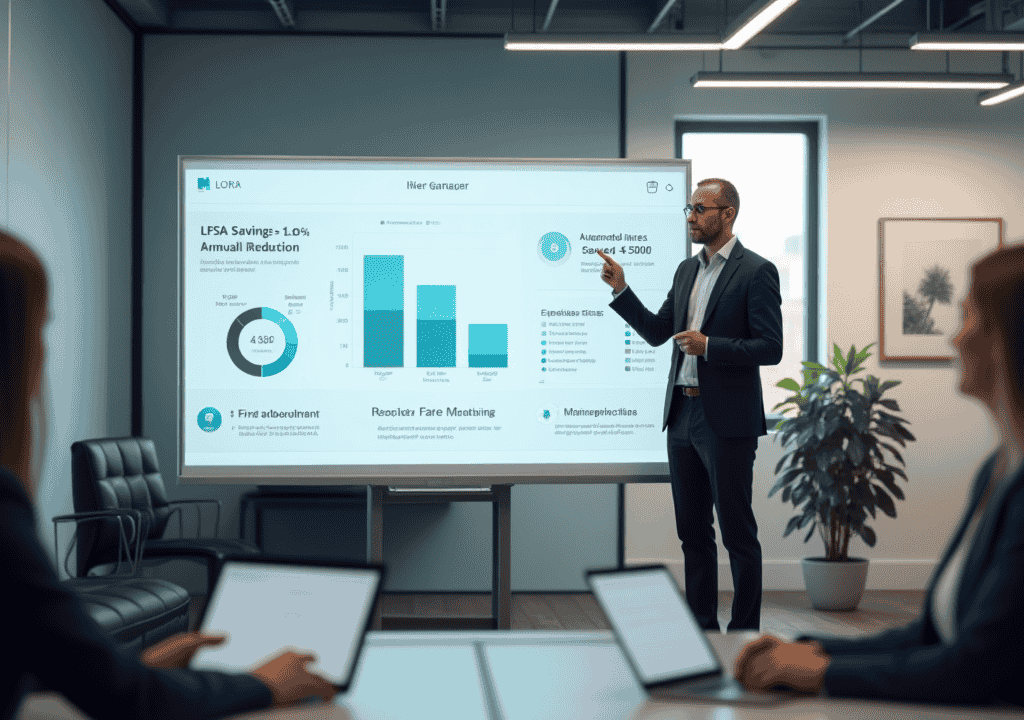
The outcome? Corporate travel savings of up to 10% annually, driven largely by technology like LFSA.
how ayp lock in lowest fares

Who Benefits Most from LFSA Technology?

While every company can benefit, LFSA is especially impactful for:

  • Enterprises with high travel volumes (hundreds of flights monthly).

  • Industries with frequent last-minute travel, like consulting, IT services, and manufacturing.

  • SMEs scaling up travel budgets, where every rupee saved can be reinvested into growth.

Best Practices for Maximizing LFSA Impact

  • Centralize Bookings: Ensure all employees book through a single LFSA-enabled platform.
  • Educate Travelers: Explain how the system works to reduce confusion when rebookings occur.
  • Track Savings: Use LFSA reports to highlight ROI to leadership.
  • Integrate With Policy: Configure the system to align with your company’s compliance rules.

FAQs on Airfare Price Drops and LFSA

1. Why do airfare prices drop after booking?
Airline fares are dynamic, influenced by demand, seat availability, and competitor pricing. Prices can fall even after you’ve booked, leading to missed savings.

2. How does LFSA technology save money?
LFSA monitors fares post-booking and automatically rebooks if the price drops, ensuring companies always secure the lowest available fare.

3. Is LFSA compliant with corporate travel policies?
Yes. LFSA works within policy frameworks to ensure compliance while capturing cost savings.

4. Can SMEs benefit from LFSA, or is it only for large enterprises?
Both. While high-volume travelers see the biggest savings, SMEs also benefit by reducing leakage and improving cost efficiency.


Final Thoughts: The Future of Smarter Corporate Travel

In a world where every rupee counts, ignoring airfare price drops is like leaving money on the table. With LFSA technology, companies can turn unpredictability into opportunity, automatically capturing savings without adding extra work.

AtYourPrice makes this possible, combining LFSA with policy compliance, reporting, and duty-of-care features to deliver a complete corporate travel management solution.

Ready to lock in the lowest fares for your company’s travel?
Book a free demo today and see how AtYourPrice can help you cut costs, streamline bookings, and make corporate travel smarter.


Top 10 Corporate Travel Management Companies

Top 10 Corporate Travel Management Companies in India: Which are Best for SMEs vs. Large Enterprises?

Why Choosing the Right Travel Partner Can Make or Break Your Business

Imagine planning a critical business trip… only to be blindsided by hidden fees, cumbersome booking interfaces, or poor service support. Frustrating, right? A smooth corporate travel experience can save money, reduce stress, and let teams focus on what matters most—your business. That’s why choosing the right corporate travel management company is vital.

In India, the corporate travel sector is booming, but not all platforms are created equal. Some are built for multinational giants with complex needs; others shine when helping fast-moving SMEs get maximum value for money. Whether you’re a nimble SME or a sprawling enterprise, the right partner can redefine your travel strategy.

Let’s dive into the top 10 types of corporate travel platforms in India and show you how each stands out—especially At Your Price, our standout offering tailored for smart businesses.

1. At Your Price

Overview
At Your Price is built around three core promises: flexibility, transparency, and growth-readiness. Whether you’re an SME booking a handful of trips or an enterprise with hundreds of travellers, the platform adapts to your needs without locking you into expensive, rigid packages.

Why It Outperforms Others

  • Scalable pricing models—no penalties for growing your travel volume.


  • Real-time spend analytics for total budget control.


  • Smooth approval workflows and custom travel policies.


  • Dedicated support with a human touch—backed by automation where it matters.


  • Automated GST reconciliation (a rare feature in the market).


Best For

  • SMEs that want cost-efficient travel without losing control.

  • Enterprises needing flexibility and in-depth reporting to guide strategic decisions.


2. Legacy Corporate Travel Provider

Overview
A long-established corporate travel management company with decades of experience managing complex itineraries for large organisations.

Strengths

  • Bespoke travel program design.


  • Strong global partnerships.


  • Dedicated account managers for high-touch service.


Limitations

  • Less tech-driven than newer platforms.


  • Often not cost-optimised for SMEs.


Best For

  • Large organisations with high-volume, complex travel itineraries.


  • Industries that require personalisation and duty-of-care services.


3. Large-Scale Marketplace-Style Platform

Overview
A massive travel booking network adapted for corporate users, offering an extensive range of flights, hotels, and trains—perfect for those who prioritise choice.

Strengths

  • Extensive domestic and international options.


  • Integrated mobile app for bookings on the go.


  • 24/7 helpline.


Limitations

  • Pricing can be less competitive for low-volume SMEs.


  • Less flexibility in policy customisation.


Best For

  • Enterprises that need a wide range of booking options and centralised service.

  • Mid-size firms that can commit to higher travel volumes.


4. AI-Driven Compliance-Focused Platform

Overview
A tech-first solution that blends artificial intelligence with travel booking, offering built-in policy enforcement and spend alerts.

Strengths

  • Automated policy enforcement.


  • Real-time alerts for overspending.


  • Simple, intuitive interface.


Limitations

  • More focused on automation than human support.


  • Smaller supplier network compared to large-scale providers.


Best For

  • SMEs that want set-and-forget policy control.


  • Businesses with limited admin resources.


5. Expense-Integrated Travel Solution

Overview
A travel platform that grew from corporate expense management roots, combining booking tools with corporate card integration.

Strengths

  • Corporate card + booking system integration.


  • Automated expense reporting.


  • Real-time transaction visibility.


Limitations

  • Less flexible for travel-only needs.


  • Stronger in expense management than travel optimisation.


Best For

  • Finance teams that want travel and expenses under one roof.


  • Tech-savvy companies with high card usage.


6. Budget-Optimisation Travel Platform

Overview
A value-focused platform that specialises in finding the lowest fares and enforcing cost-control rules.

Strengths

  • Smart fare comparisons.


  • Policy enforcement tools.


  • Clear dashboard for spend tracking.


Limitations

  • Smaller supplier partnerships.


  • Limited premium service options.


Best For

  • SMEs looking for maximum savings on standard travel needs.


  • Companies with strict cost control goals.


7. Premium Concierge-Style Provider

Overview
A high-end corporate travel service offering luxury, personalised itineraries for executives and VIP travellers.

Strengths

  • High-touch, personalised itineraries.


  • Access to VIP upgrades and perks.


  • International travel expertise.


Limitations

  • Premium pricing makes it less SME-friendly.


  • Better for low-volume, high-value trips.


Best For

  • Enterprises sending executives on high-stakes international trips.


  • Companies where traveller comfort and prestige matter.


8. Global AI-Powered Platform

Overview
A global travel management solution combining booking, expense, and reporting tools, powered by advanced AI for faster decision-making.

Strengths

  • Unified dashboard for booking and expenses.


  • Fast, intelligent search.


  • Policy automation.


Limitations

  • Stronger for global operations than purely domestic ones.


  • Pricing may not align with low-volume SMEs.


Best For

  • Mid-large companies expanding internationally.


  • Firms looking for AI-first platforms.


9. Global Enterprise-Level TMC

Overview
One of the largest travel management companies worldwide, with strong consulting capabilities and a wide service network.

Strengths

  • Global network and expertise.


  • Strategic travel program consulting.


  • Duty-of-care and risk management.


Limitations

  • Over-engineered for SMEs with simple needs.


  • Often more expensive due to premium services.


Best For

  • Multinational companies with complex, multi-country travel programs.


  • Corporates needing strategic planning support.


10. Domestic-Focused Corporate Travel Agency

Overview
A long-standing travel company with deep connections in the Indian travel market, particularly for domestic trips.

Strengths

  • Established supplier relationships in India.


  • Strong domestic travel packages.


  • Localised service.


Limitations

  • Less advanced tech features.


  • Not ideal for international corporate programs.


Best For

  • SMEs focused mainly on domestic travel.

  • Businesses valuing traditional travel agent relationships.

How SMEs and Large Enterprises Differ in Travel Management Needs

SMEs usually prioritise:

  • Cost control above all else.


  • Easy-to-use booking systems that don’t require specialist training.


  • Scalable solutions that don’t lock them into long, costly contracts.


Large enterprises typically require:

  • Policy compliance at scale.


  • Detailed reporting for financial planning.


  • Duty-of-care tools for traveller safety.


  • Integration with HR, finance, and expense systems.

10 Corporate Travel Management Companies

Scenario-Based Recommendations

  • If you’re an SME with unpredictable travel volumesAt Your Price or a budget-optimisation platform for cost flexibility.

  • If you’re a large enterprise with strict compliance needsAt Your Price, a legacy provider, or a global enterprise TMC for robust policy control.

  • If you want integrated expense management → An expense-integrated travel solution.

  • If you focus on luxury travel for executives → A premium concierge-style provider.

  • If your operations are mostly domestic → A domestic-focused travel agency or At Your Price.

Why At Your Price Leads in Both Segments

Many platforms excel for either SMEs or large enterprises—not both. At Your Price bridges this gap with:

  • Transparent, scalable pricing that adapts to your growth.

  • Tools that give SMEs control without complexity.

  • Advanced compliance and reporting to satisfy enterprise requirements.

  • Features like automated GST reconciliation, rarely offered elsewhere.

  • A balance of human support and smart automation.

Whether you’re booking five trips or five hundred, At Your Price keeps you in control, saves you money, and simplifies every step.


Final Call to Action

Corporate travel shouldn’t drain your budget or your patience. With At Your Price, you get a partner that’s as invested in your efficiency and cost savings as you are.

Book a free demo today and see how much smoother and smarter your travel program can be.


Contact us now to get started.

How Corporate Travel Impacts Employee Productivity

How Corporate Travel Impacts Employee Productivity (and What You Can Do About It)

Corporate travel is often seen as a necessary business expense – meetings, client visits, conferences, or project site inspections. But what many companies overlook is how travel itself impacts employees’ energy, focus, and productivity.

If travel is mismanaged, it can lead to fatigue, stress, missed deadlines, and even employee burnout. On the flip side, with the right processes and support in place, corporate travel can actually boost engagement, performance, and job satisfaction.

So, how exactly does business travel affect productivity, and what can companies do to minimize the downsides while amplifying the benefits? Let’s break it down.


The Productivity Challenges of Corporate Travel

1. Travel Fatigue and Jet Lag

Frequent travel disrupts sleep cycles. Crossing time zones or taking back-to-back late-night flights often leaves employees drained, impacting focus and decision-making the next day.

Example: An employee flying overnight for a client meeting may arrive groggy, underprepared, and unable to deliver their best work.

2. Time Lost in Transit

Hours spent at airports, sitting in traffic, or waiting for connections can add up quickly. Even when employees are working on laptops while traveling, productivity is rarely at its peak compared to their usual environment.

3. Disruptions to Routine

Travel often throws regular routines – meals, exercise, family time – out the window. This not only impacts physical health but also reduces overall morale.


4. Stress from Complex Booking Processes

Poorly managed travel policies and booking procedures can frustrate employees. When they’re forced to chase approvals or handle last-minute itinerary changes, it eats into valuable work hours.

5. Costs Hidden Beyond the Budget

Missed connections, policy leaks, and unmanaged expenses all add up. While this directly affects the company’s bottom line, it also creates extra admin work for employees, pulling them away from high-value tasks.


The Positive Side of Corporate Travel

Not all impacts are negative. In fact, when done right, travel can increase employee engagement and productivity.

  • Face-to-face collaboration: Meeting clients or colleagues in person often results in stronger relationships and faster decision-making.


  • Learning opportunities: Conferences and site visits expose employees to new trends and insights they can bring back to the team.


  • Motivation & recognition: Many employees see business travel as a recognition of their value, which boosts morale.


  • Break from routine: A change of environment can spark creativity and problem-solving.


The challenge lies in striking a balance: maximizing the benefits while reducing the stressors.


The Positive Side of Corporate Travel

How Companies Can Support Employee Productivity During Travel

1. Simplify the Booking Process

A clunky travel approval process eats into employees’ time. Instead, companies should adopt automated booking tools that allow employees to book flights, hotels, and cabs within policy – without endless email chains.

2. Provide Flexibility Within Policy

Strict travel policies can frustrate employees. Offering choices within budget and policy limits gives them control while ensuring compliance. For example, allowing them to pick a preferred flight time or hotel near the meeting venue.

3. Support Health and Well-being

Encourage practices like:

  • Booking direct flights instead of long layovers

  • Offering lounge access for rest between flights

  • Providing meal allowances that support healthy eating

  • Allowing downtime after red-eye flights before important meetings

4. Reduce Administrative Burden

Travel shouldn’t mean hours of expense reporting. Companies should use automated expense management systems that capture receipts and track spending in real-time. This way, employees can focus on core work instead of paperwork.

5. Prioritize Safety and Comfort

Employees are most productive when they feel safe and supported. This includes:

  • Having clear travel insurance policies

  • Offering emergency assistance

  • Choosing reliable hotel partners in safe areas

6. Measure Travel ROI (Beyond Costs)

Don’t just measure travel by how much it costs – evaluate the outcomes: Did the trip close a deal? Improve collaboration? Lead to learning that improved the team’s performance? This broader view helps justify travel and motivates employees by showing the impact of their efforts.


Case in Point: The Cost of Poorly Managed Travel

Consider this scenario: A sales executive takes a last-minute flight due to delayed approvals, arrives exhausted, and underperforms in a critical client pitch. Not only did the company spend more on a last-minute ticket, but the employee’s productivity (and potentially the deal) suffered.

Now imagine the opposite: The same trip booked through an automated tool with advance approval, giving the employee time to prepare and rest. The meeting goes well, and the deal closes. The difference? Smart travel management directly impacting productivity and outcomes.


Actionable Tips for Employees to Stay Productive While Traveling

Even with company support, employees can take steps to manage their own productivity:

  • Plan ahead: Review the agenda, meeting notes, and travel details in advance.

  • Leverage tech: Use productivity apps offline during flights.

  • Protect rest: Stick to sleep schedules and avoid overloading the itinerary.

  • Stay connected: Use company-approved communication tools to remain in sync with the team.

  • Set boundaries: Avoid working non-stop on travel days – downtime helps recharge.


Why Travel Management Platforms Are Game-Changers

Traditional travel management is filled with hidden inefficiencies: delayed approvals, manual reports, fragmented bookings. Modern solutions like AtYourPrice change the game by:

  • Automating bookings within company policy

  • Offering real-time expense visibility

  • Simplifying approvals with one-click workflows

  • Giving employees flexibility while controlling costs

With companies saving up to 22% on travel expenses, the productivity benefits extend not only to employees but also to finance and admin teams who no longer waste hours chasing approvals or reconciling reports.


Why Travel Management Platforms Are Game-Changers

Frequently Asked Questions (FAQ)

1. How does corporate travel affect employee productivity?
Business travel can boost collaboration and motivation but also leads to fatigue, stress, and time loss if not managed properly. A structured travel policy and the right tools minimize the negative impact.

2. What are common challenges employees face during business travel?
Challenges include travel fatigue, disrupted routines, booking hassles, safety concerns, and time wasted in transit.

3. Can corporate travel improve productivity?
Yes. When well-managed, travel can increase engagement, foster collaboration, and inspire creativity by breaking routine.

4. How can companies support employee well-being during travel?
By offering flexible options, prioritizing comfort and safety, reducing admin tasks with automation, and encouraging rest and healthy routines.

5. What role do travel management platforms play?
They streamline bookings, automate approvals, track expenses in real time, and give both employees and employers better control — resulting in cost savings and higher productivity.


Final Thoughts: Making Corporate Travel Work for Everyone

Corporate travel doesn’t have to be a drain on productivity. With the right systems, policies, and employee support, companies can turn travel into a strategic advantage rather than a burden.

If your organization still struggles with manual bookings, hidden costs, and employee frustration, it’s time to rethink your approach.


AtYourPrice helps businesses simplify corporate travel, cut unnecessary costs, and keep employees productive on the move.
Book a free demo today to see how you can transform the way your teams travel.

Duty of Care in Corporate Travel

Duty of Care in Corporate Travel: Protecting Employees on the Move

Business travel fuels growth. It strengthens client relationships, opens up new markets, and enables collaboration across geographies. But for every opportunity, there’s also a responsibility that companies cannot ignore: duty of care.

When employees are on the road, or in the air, the organization is accountable for their health, safety, and overall well-being. Yet, many businesses underestimate how complex duty of care becomes in the context of global travel. It’s not just about booking flights and hotels. It’s about making sure your people are supported, secure, and able to focus on their work without unnecessary risks.

This blog explores what duty of care means in corporate travel, why it matters, the common challenges companies face, and practical ways to implement it effectively.


What is Duty of Care in Business Travel?

At its core, duty of care is a legal and ethical obligation of employers to protect their employees from foreseeable risks while performing work-related tasks. In business travel, this means:

  • Ensuring safe travel arrangements

  • Providing access to reliable information about risks (political unrest, natural disasters, health advisories)

  • Offering emergency assistance and medical support

  • Tracking employee locations during trips

  • Creating clear protocols for crisis response

It’s not just a legal checkbox, it’s about building trust with your employees and showing them that their safety is valued as much as their productivity.


Why Duty of Care in Corporate Travel Matters More Than Ever

Global business travel is bouncing back strongly post-pandemic, but the risk landscape has evolved. Companies now face:

  • Health risks (pandemics, infectious disease outbreaks, medical emergencies abroad)

  • Geopolitical instability (strikes, protests, or political unrest)

  • Climate-related disruptions (flight cancellations due to extreme weather)

  • Personal safety threats (crime, theft, harassment, cultural misunderstandings)


Ignoring duty of care isn’t just risky, it can lead to legal consequences, reputational damage, and reduced employee morale. A traveler who feels unsupported is less likely to be engaged, productive, or loyal to the organization.

Why Duty of Care in Corporate Travel Matters More Than Ever...

Key Challenges Businesses Face with Duty of Care

Despite good intentions, many companies fall short in executing duty of care effectively. Here are some common gaps:

1. Fragmented Travel Booking

When employees book flights or hotels outside approved systems, companies lose visibility into where travelers are and whether bookings meet safety standards.

2. Lack of Real-Time Tracking

In a crisis, not knowing where your employees are is one of the biggest risks. Without location tracking, you cannot provide timely assistance.

3. Insufficient Risk Intelligence

Travel managers often lack access to up-to-date risk alerts for destinations, leaving travelers underprepared.

4. Limited Emergency Protocols

Not all organizations have a clear action plan for medical emergencies, evacuations, or sudden disruptions.

5. Compliance Gaps

Companies operating across multiple geographies must comply with varying labor and travel safety laws, something that’s hard to manage without the right tools.


Building an Effective Duty of Care Strategy for Business Travel

So, how can organizations create a robust framework that prioritizes employee well-being without overwhelming admin teams? Here’s a step-by-step approach.

1. Centralize Travel Bookings

  • Use a single corporate travel management platform to book flights, hotels, trains, and transfers.

  • Ensure policies are built into the system so all bookings automatically comply with safety and budget guidelines.

  • Centralized data allows for better oversight and faster response during emergencies.

2. Implement Traveler Tracking

  • Adopt solutions that allow travel managers to view where employees are at any given time.

  • Use GPS-enabled mobile apps to keep travelers connected.

  • Ensure travelers can “check in” digitally during key points in their journey.

3. Provide Risk Intelligence

  • Share pre-trip briefings about the destination (health, safety, cultural tips).

  • Subscribe to real-time risk alert services for weather disruptions, unrest, or travel advisories.

  • Offer clear guidelines for what employees should do if they encounter unexpected risks.

4. Establish Clear Emergency Protocols

  • Have a 24/7 support hotline or partner with a provider who can deliver medical and logistical help globally.

  • Define evacuation procedures and ensure employees know the process.

  • Train managers and travelers on emergency protocols through workshops or e-learning.

5. Automate Policy Compliance

  • Configure policies in your booking platform (e.g., preferred airlines, hotel safety standards, fare caps).

  • Flag or block non-compliant bookings before they’re finalized.

  • Monitor adherence with detailed travel reports and dashboards.

6. Foster a Culture of Care

  • Communicate regularly with employees about the resources available to them.

  • Encourage feedback after trips to identify potential gaps in support.

  • Make duty of care a shared priority between HR, finance, and travel teams, not just a travel manager’s responsibility.


Technology’s Role in Duty of Care

Manual processes aren’t enough. Technology bridges the gap between intent and execution. The right travel management platform can:

  • Automate duty of care tasks like compliance checks and real-time location tracking.

  • Consolidate travel data so managers always know where employees are.

  • Integrate with expense systems to ensure accurate reporting.

  • Provide 24/7 support for travelers when they need it most.

This is where modern platforms like AtYourPrice add immense value.


How AtYourPrice Supports Duty of Care

AtYourPrice isn’t just about saving companies money, it’s about ensuring safe, compliant, and efficient travel experiences. Here’s how it strengthens your duty of care framework:

  • Centralized bookings across flights, hotels, ground transport, and visas, ensuring no “off-channel” travel slips through.

  • Policy enforcement that stops non-compliant bookings before they happen.

  • Traveler tracking and reporting, giving managers real-time visibility into employee locations.

  • 24/7 global support so employees never feel stranded during disruptions.

  • Integrated GST-compliant expense management, reducing reconciliation headaches for finance teams.

  • Low Fare Search & Automation (LFSA) that not only saves costs but also ensures flexible rebooking during cancellations or delays.

By combining cost efficiency with robust risk management, AtYourPrice helps companies uphold their duty of care obligations while protecting their bottom line.


Duty of Care in Corporate Travel

FAQs on Duty of Care in Corporate Travel

1. What does duty of care mean for business travelers?
Duty of care refers to the employer’s legal and ethical responsibility to safeguard employees while they are traveling for work. This includes health, safety, and security measures.

2. Who is responsible for duty of care in an organization?
While HR and legal teams set the framework, travel managers, finance leaders, and direct supervisors all play a role in execution. Ultimately, the employer holds responsibility.

3. How can companies track employees during travel?
By centralizing bookings in a travel management system and using mobile apps with check-in features, companies can know where their travelers are in real time.

4. What happens if a company fails its duty of care obligations?
The company risks legal action, reputational harm, loss of employee trust, and potential financial penalties depending on the jurisdiction.

5. How can technology improve duty of care in business travel?
Technology automates compliance, tracks employees, provides risk alerts, and ensures 24/7 support—making it easier to manage obligations at scale.


Final Thoughts: Protecting People Protects Your Business

Duty of care in corporate travel is more than a compliance issue. It’s a strategic investment in your people. Employees who feel safe and supported travel more confidently, perform better, and remain loyal to their organization.

With risks in global mobility constantly shifting, companies need more than good intentions. They need structured policies, reliable processes, and the right tools.

That’s where AtYourPrice comes in—empowering businesses to deliver on their duty of care promises while optimizing travel budgets.

Ready to make corporate travel safer, smarter, and more cost-effective?
Book a free demo today and discover how AtYourPrice can help protect your people on the move.


10 Hidden Costs Companies Face in Corporate Travel

10 Hidden Costs Companies Face in Corporate Travel (and How to Avoid Them)

When companies think about corporate travel expenses, they usually consider the big-ticket items: airfare, hotel bills, and daily allowances. But seasoned finance and travel managers know the reality—the real drain on your budget often comes from costs hiding in plain sight.

These “hidden” expenses are sneaky. They might not make headlines on your expense report, but they accumulate over dozens—or hundreds—of trips, adding up to significant losses over time. Left unchecked, these can eat away at as much as 20–30% of your annual travel budget.

The good news? They’re avoidable—if you know where to look and have the right systems in place.

Let’s break down the 10 biggest hidden costs in corporate travel, why they happen, and exactly what you can do to prevent them.


1. Last-Minute Bookings

It’s no surprise that flights booked within seven days of departure cost more—sometimes up to 47% more compared to those booked well in advance. Last-minute trips are occasionally unavoidable (urgent client meetings, crisis management, etc.), but more often, they’re a byproduct of poor planning or lack of policy enforcement.

Why it’s costly: Airlines raise fares as seats fill up and departure dates approach. Hotels do the same when occupancy rates climb.

How to avoid it:

  • Set a clear booking window policy (e.g., all travel requests should be made at least 14 days in advance unless approved as urgent).

  • Use a system with automated policy enforcement so late bookings trigger approval steps.

  • Leverage fare monitoring tools that can alert you to price drops even after booking.


2. Non-Compliant Bookings

Also known as “leakage”, this happens when employees book travel outside approved channels—maybe via consumer sites or personal contacts. The intent isn’t necessarily malicious; sometimes they think they’re getting a better deal.

Why it’s costly:

  • You lose access to negotiated corporate rates.

  • It’s harder to track spend and enforce policies.

  • You may miss out on GST input credits or expense documentation.

How to avoid it:

  • Centralize all bookings through one platform that enforces policy rules.

  • Communicate clearly why using the approved system benefits the employee (better fares, faster reimbursements, smoother approvals).

  • Use real-time compliance alerts for any out-of-policy bookings.


3. Change & Cancellation Fees

Changing a flight or cancelling a hotel can cost a lot—sometimes almost as much as the original booking. When these changes happen frequently, the impact is huge.

Why it’s costly:

  • Airlines and hotels have strict change rules.

  • Last-minute changes mean forfeiting lower fares and rates.

How to avoid it:

  • Book flexible fares when trip dates are uncertain, especially for high-level executives.

  • Use a fare re-shopping tool to find lower prices even after booking.

  • Maintain a travel change policy that defines who can make changes and under what circumstances.


5. Baggage & Ancillary Airline Fees

Additional baggage, preferred seating, priority boarding—individually small, collectively expensive. Across dozens of employees and trips, this adds up fast.

Why it’s costly:

  • Ancillary fees are often not pre-approved or tracked in detail.

  • Employees may choose premium add-ons without realizing the cost impact.

How to avoid it:

  • Define a clear policy for allowable extras.

  • Negotiate corporate travel bundles with airlines that include baggage or seating perks.

  • Use expense reporting tools that tag ancillary fees for analysis.


6. Airport Transfers

Last-minute rides to and from the airport—especially during peak hours—are notorious for inflated pricing.

Why it’s costly:

  • Surge pricing, inefficient vendor selection, and booking delays.

How to avoid it:

  • Pre-book transfers through vetted vendors at fixed rates.

  • Include ground transport options in your travel management platform.

  • Encourage ride-share pooling when possible for team travel.


7. Overlapping or Duplicate Bookings

Yes, it happens: an employee books a ticket, cancels, then books again—or two people book the same trip without realizing it.

Why it’s costly:

  • You pay for unused tickets or cancellation fees twice.

How to avoid it:

  • Centralize bookings to avoid duplication.

  • Enable duplicate booking detection in your system.

  • Ensure managers have visibility of team travel requests before approving.


8. Poor Expense Reconciliation

When receipts are missing or mismatched, companies lose the ability to reclaim GST or validate expenses, leading to out-of-pocket losses.

Why it’s costly:

  • Lost tax credits.

  • Delayed reimbursements frustrate employees and slow accounting processes.

How to avoid it:

  • Use OCR receipt scanning to automatically attach expenses to bookings.

  • Automate GST reconciliation within your travel platform.

  • Enforce policies that require receipts for all claims.


10. Vendor Rate Inconsistencies

Rates for the same service can differ across booking channels, even within the same vendor’s ecosystem.

Why it’s costly:

  • You miss out on cheaper rates available elsewhere.

How to avoid it:

  • Use a booking system that pulls data from multiple GDS and non-GDS sources in real time.

  • Periodically benchmark vendor rates against the open market.


Why These Costs Fly Under the Radar

Many of these hidden costs stem from fragmented processes—different teams booking through different channels, inconsistent policy enforcement, and manual expense reconciliation.
When data is scattered, it’s nearly impossible to see the full picture, and hidden costs slip through the cracks.


How AtYourPrice Eliminates Hidden Travel Costs

Here’s where AtYourPrice steps in—not as just another booking tool, but as a complete corporate travel management solution.

With AtYourPrice, you can:

  • Book everything in one place – flights, hotels, trains, buses, cars, visas, even transfers.

  • Automate policy compliance – prevent non-compliant bookings before they happen.

  • Catch and rebook lower fares with AI-powered Low Fare Search & Automation.

  • Simplify GST compliance with automated reconciliation and GST-ready invoices.

  • Compare rates in real time across global and local vendors for the best deals.

  • Access 24/7 support so your travelers are never stranded.

The result? Companies using AtYourPrice typically save up to 22% on travel spend—most of it from avoiding the very hidden costs we’ve discussed.


Final Thoughts

Corporate travel is essential for business growth, but without proper oversight, it’s easy to overspend without realizing it.
By identifying and addressing these 10 hidden costs, you can regain control over your travel budget, improve compliance, and keep your travelers happy.

And with a platform like AtYourPrice, the process becomes effortless. You get complete visibility, smarter bookings, and proven savings—without adding administrative headaches.

Ready to see how much you could save?

Book your free demo today and get a personalized travel savings report for your company

How Automated GST Reconciliation Saves Finance Teams 20+ Hours a Month

How Automated GST Reconciliation Saves Finance Teams 20+ Hours a Month

Why GST Reconciliation is a Pain Point for Finance Teams

If you work in finance, you already know how time-consuming GST reconciliation can be.

Every month, finance teams spend hours cross-checking invoices, matching them against GSTR-2B data, identifying mismatches, and ensuring compliance. The task is repetitive, complex, and prone to human error. Worse still, delays or mistakes can lead to penalties, blocked input tax credits (ITC), and compliance risks.

Now imagine reclaiming those 20+ hours every month and letting automation do the heavy lifting. That’s the power of automated GST reconciliation—a game changer for modern finance teams.


What is GST Reconciliation?

GST reconciliation is the process of matching a company’s purchase invoices with the data available on the GST portal (GSTR-2B). The goal is to ensure that input tax credits (ITC) claimed by the business align with the supplier’s GST filings.

Without reconciliation, companies risk:

  • Losing out on eligible ITC.

  • Facing notices from GST authorities.

  • Increased manual workload at month-end.

It may sound straightforward, but when you’re handling hundreds or thousands of invoices each month, the complexity compounds quickly.


The Manual Process: Why It’s Broken

Most companies still rely on spreadsheets, ERP exports, and manual cross-checks. Here’s why that doesn’t work at scale:

  • Time-intensive: Finance teams spend days combing through invoices and portal data.

  • Error-prone: Manual matching often leads to missed discrepancies or double entries.

  • Resource-heavy: Teams end up hiring additional staff during peak periods.

  • Compliance risk: Even a small mismatch can snowball into penalties or blocked credits.

In short, manual reconciliation drains productivity and exposes companies to financial risk.


How Automated GST Reconciliation Works

Automation brings structure, speed, and accuracy to the reconciliation process. Instead of toggling between spreadsheets and GST portals, an automated system integrates directly with both your invoice records and GSTN data.

Here’s what happens behind the scenes:

  1. Invoice Data Upload: Finance teams upload purchase invoices from ERP, accounting software, or directly from vendors.

  2. GSTN Data Sync: The system automatically fetches GSTR-2B data from the GST portal.

  3. AI-Powered Matching: Invoices are matched with supplier filings in seconds.

  4. Discrepancy Detection: Any mismatches (missing invoices, incorrect GSTIN, amount mismatches, etc.) are flagged instantly.

  5. Actionable Insights: Finance teams get a clear, actionable report on discrepancies with recommendations for follow-up.

Instead of hours of manual work, reconciliation happens in minutes.


5 Ways Automation Saves Finance Teams 20+ Hours a Month

1. Lightning-Fast Invoice Matching

What takes hours in spreadsheets happens in seconds with automation. Bulk invoice uploads and instant GSTN data sync eliminate manual cross-checking.

Impact: Teams save at least 6–8 hours each month just from faster data matching.


2. Elimination of Manual Errors

Fat-finger errors, missed entries, and misread invoices are inevitable when humans handle large volumes. Automated systems match at the line-item level, ensuring 100% accuracy.

Impact: Finance teams reduce rework and avoid compliance penalties—saving both time and money.


3. Smart Exception Handling

Instead of going line by line, automation highlights only what needs attention—like missing supplier filings or incorrect GSTINs. Finance professionals can focus their energy on resolving discrepancies rather than hunting for them.

Impact: Cuts reconciliation time by 30–40%.


4. Continuous Compliance Monitoring

With automation, reconciliation isn’t just a month-end chore. Real-time syncing ensures finance teams always know where they stand with ITC eligibility.

Impact: Prevents last-minute scrambles and frees up 5–6 hours during closing periods.


5. Better Collaboration Across Teams

Discrepancy reports can be shared instantly with vendors or procurement teams. Automated workflows send reminders and track follow-ups, reducing back-and-forth emails.

Impact: Finance leaders save hours of coordination every month.


Why It Matters: The Bigger Picture

Saving 20+ hours a month is only the start. Automated GST reconciliation creates ripple effects across the business:

  • Improved Cash Flow: By maximising eligible ITC, businesses free up working capital.

  • Stronger Compliance: Reduced risk of GST notices and penalties.

  • Employee Satisfaction: Finance teams focus on analysis and strategy instead of grunt work.

  • Scalability: As the company grows, reconciliation doesn’t become a bottleneck.

Simply put, automation shifts finance teams from being reactive to strategic.


Common Challenges in GST Reconciliation—and How Automation Fixes Them

Challenge 1: Missing Supplier Filings

Suppliers often delay or skip uploading invoices, blocking your ITC claims.
Solution: Automated tools flag missing filings instantly so you can nudge suppliers proactively.

Challenge 2: Data Format Inconsistencies

Invoices come in different formats—PDFs, scanned copies, Excel sheets.
Solution: OCR and AI tools standardise data for easy comparison.

Challenge 3: Scaling with Business Growth

As invoice volume grows, manual reconciliation simply can’t keep up.
Solution: Automation scales effortlessly, whether you’re reconciling 50 invoices or 5,000.


Internal Processes That Benefit from Automation

Beyond reconciliation, automation improves several finance workflows:

  • Expense Management: Seamless integration of travel, vendor, and corporate expenses.

  • Policy Compliance: Automated checks ensure every invoice follows GST rules.

  • Audit Readiness: With digital trails and error-free data, audits become faster and less stressful.

This holistic impact is why more CFOs are making automation a strategic priority.


Why AtYourPrice Leads the Way

Many platforms claim automation, but few deliver true scalability and accuracy.

AtYourPrice stands out with:

  • Automated GST reconciliation built into corporate travel workflows.

  • Real-time spend analytics and reporting to give finance leaders visibility.

  • Approval workflows and policy enforcement that simplify compliance.

  • Human support backed by AI automation—a rare combination in the industry.

Whether you’re an SME struggling with invoice overload or a large enterprise juggling thousands of transactions, AtYourPrice adapts to your needs—saving time, reducing costs, and ensuring GST compliance.


FAQs on GST Reconciliation

1. What is automated GST reconciliation?

It’s the use of software to match purchase invoices with supplier filings on the GST portal, identify mismatches, and generate compliance-ready reports—saving time and errors compared to manual methods.

2. Why is GST reconciliation important?

It ensures businesses claim accurate input tax credit, avoid compliance penalties, and maintain healthy cash flow.

3. How much time can finance teams save with automation?

On average, companies save 20–25 hours per month by eliminating manual invoice matching and reducing exception handling.

4. Is automated reconciliation suitable for SMEs?

Absolutely. SMEs often lack large finance teams, so automation helps them scale without increasing headcount.

5. Does AtYourPrice offer GST reconciliation?

Yes, AtYourPrice integrates automated GST reconciliation into its corporate travel and expense workflows, giving finance teams complete visibility and control.


Final Thoughts: Time is Money—Save Both

Finance leaders are under constant pressure to do more with less. Manual GST reconciliation wastes valuable hours that could be spent on strategy, planning, and business growth.

By automating reconciliation, you’re not just saving 20+ hours a month—you’re empowering your team, ensuring compliance, and unlocking better cash flow.

Ready to stop wasting time on manual GST reconciliation?
Book a free demo with AtYourPrice today and see how automation transforms your finance workflow.


how-to-simplify-your-business-trips:-the-ultimate-guide-for-professionals-feature-image

How to Simplify Your Business Trips: The Ultimate Guide for Professionals

Business trips are essential for success, but organizing travel often feels like juggling too much at once. From booking flights and accommodations to managing expenses and staying productive, it can quickly become overwhelming. However, with strategic planning and the right tools, you can simplify your business travel and ensure a seamless, stress-free experience.

This guide will walk you through proven steps to streamline every aspect of your trips.

Partner with a Professional Travel Service

Collaborating with a trusted corporate travel partner can save you hours of planning and help eliminate unnecessary stress. Platforms like AtYourPrice offer tailored solutions for busy professionals:

  1. Custom itineraries designed to fit your exact schedule.
  2. Cost-effective bookings for flights, hotels, and local transport.
  3. 24/7 customer support to manage last-minute adjustments or emergencies.

With a professional travel service, you no longer need to spend time hunting for deals or handling logistics on your own.

Simplify Your Expense Management

Managing travel expenses can be a nightmare without the right systems in place. A centralized tool can simplify expense tracking and reporting:

  1. Digitize receipts in real-time using mobile apps.
  2. Automate expense reports to eliminate paperwork.
  3. Gain clear insights into travel budgets and spending.

Simplifying expense management lets you focus on your meetings and objectives instead of drowning in paperwork.

Prepare a Clear and Flexible Itinerary

A well-structured itinerary helps you stay on track and reduces travel-related anxiety. When creating your itinerary:

  1. Include key travel details like flight times, hotel check-ins, and meeting locations.
  2. Schedule buffer times to account for unexpected delays.
  3. Use travel tools to map out nearby restaurants, coworking spaces, and transport hubs.

A clear, well-thought-out itinerary ensures you arrive at your destination prepared, organized, and stress-free.

Opt for Flexible Travel Options

Flexibility is crucial for business trips, as meetings and plans can change unexpectedly. Prioritize booking options that offer:

  1. Refundable fares for flights and accommodations.
  2. Easy rescheduling and cancellation policies.
  3. Support for last-minute adjustments, such as extended stays or alternate flights.

Platforms like AtYourPrice prioritize flexibility, allowing you to adapt quickly without incurring unnecessary costs.

Prioritize Comfort for Productivity

Comfort during travel directly impacts your performance and productivity. Make simple adjustments to enhance your travel experience:

  1. Book premium seats on long flights to arrive feeling refreshed.
  2. Choose hotels with high-speed Wi-Fi, workspaces, and seamless check-in processes.
  3. Arrange airport transfers in advance to avoid last-minute stress.

Prioritizing comfort ensures you’re energized and ready to focus on what matters most: achieving your business goals.

Adopt Sustainable Travel Practices

Sustainability is a growing priority for businesses worldwide. Incorporating eco-friendly choices into your business travel can make a significant difference:

  1. Book carbon-offset flights to reduce your environmental impact.
  2. Stay at green-certified hotels with sustainable practices.
  3. Use digital receipts and tickets to minimize paper waste.

Sustainable travel not only benefits the planet but also positions your company as a socially responsible organization.

Why Choose AtYourPrice to Simplify Your Business Travel?

AtYourPrice specializes in making corporate travel seamless, cost-effective, and stress-free. Whether you’re planning domestic or international trips, we provide:

  1. Customizable itineraries tailored to your specific needs.
  2. Access to the best deals on flights, accommodations, and transportation.
  3. 24/7 customer support to handle any last-minute changes.
  4. Tools to track expenses for transparency and simplified reporting.

With AtYourPrice, you can streamline business travel, save valuable time, and stay focused on achieving your professional objectives.

Final Thoughts

Simplifying your business trips is all about planning, choosing the right tools, and partnering with a reliable travel service like AtYourPrice. By streamlining bookings, managing expenses effectively, prioritizing comfort, and embracing sustainability, you can ensure every trip is smooth, productive, and stress-free.

Ready to transform the way you travel for business? Visit AtYourPrice.net today and discover how we can help make your next trip seamless and efficient.

6-ways-to-reduce-the-carbon-footprint-of-your-business-travel-at-atyourprice

6 ways to reduce the carbon footprint of your business travel

As the economic recovery gains pace after the pandemic, we are witnessing a steady rise in business travel.

Previously organizations have only implemented policies to manage the costs of travel. However, nowadays companies are also fixated on how much carbon is being emitted because of their employees’ use of flights, cars, etc., for various business needs.

Incorporating environmental sustainability into business travel can help achieve several objectives, including cutting wasteful spending, reducing regulatory exposure, and building a culture of responsible corporate citizenship.

Here are several ways to simultaneously reduce the carbon footprint and cost of your company’s business trips.

Schedule virtual meetings

The most effective way to reduce the carbon footprint from business travel is to avoid it altogether unless necessary. Virtual meetings save the organization time and money, along with bringing down its carbon footprint. Aside from that, virtual meetings have proven to be popular among employees, as it saves them the hassle of travelling.

Encourage alternative modes of transportation

According to Reuters, flights account for about 90% of business travel emissions. So, it would be prudent to ask your employees to prefer environment-friendly transportation for business travel. According to the research, travel by train or bus is up to 90% more carbon-efficient than air travel.

Create a sustainable business travel policy

On average, traveling in business class almost doubles the carbon emissions. Having a travel policy that offers incentives for choosing sustainable and cost-efficient means of transport will go a long way in helping companies cut down on their carbon footprint.

Ensuring that your travel policy is focused on sustainability will also help you in getting your company various tax breaks that have been put in place by governments with a green agenda.

Evaluate the impact of your business travel

Organizations should use a carbon footprint calculator to measure the impact of business travel on the environment. With such a tool, you can assess where most of your company’s carbon emissions are coming from and where improvement can take place. Utilizing a carbon footprint calculator is also a great way to assure investors of your commitment to long-term climate action.

Choose carbon-neutral airlines

“Creating a sustainable aviation industry is perhaps the greatest challenge for the sector since the invention of the airplane.” Bryan Del Monte- Former pilot and president of The Aviation Agency.

Major companies are setting aggressive carbon-reduction goals across their operations, significantly cutting carbon footprint from business travel. In fact, some major airlines are implementing carbon offset programs to mitigate carbon emissions from their airline operation. So, organizations can choose carbon-neutral airlines to achieve sustainability goals for the benefit of the environment.

Electric vehicles- smart choice to reduce carbon footprint

Electric vehicles are the wise choice for a lesser carbon footprint. Businesses can reduce carbon emissions by encouraging employees to use electric cars or bikes for business trips. Include electric vehicles in your company travel policy, so your business travelers can bring a positive impact on the global and local environment.

Conclusion

Companies should promote sustainable travel practices to offset their carbon footprint. When business travel is necessary, organizations can prefer sustainable transport – switching from aviation to rail for shorter journeys, avoiding business class flights for longer trips, and identifying low-emission airlines. Further, you need to ensure that business travel is only considered when there is no other option.

Tackle your business travel costs and carbon emissions and start making a difference with our sustainable business travel management platform.

Schedule an AtYourPrice demo today by emailing marketig@infinitisoftware.net!

6-Business-Travel-Cost-Saving-Strategies-every-CFO-should-Consider-AtYourPrice

6 Business Travel Cost Saving Strategies every CFO should Consider

CFOs in most companies are always tasked with two concern areas – How to control costs and how to introduce controls within the process.  Business travel is a significant cost head and is also a subject that’s directly linked to employee morale.  Travel Admin Managers and CFO’s have to tread a delicate equilibrium to balance these seeming contrarian narratives. Good news is competent, and experienced CFO’s across large organizations and MNC’s manage this well and here is how. Following are the five key business travel cost-saving (not cutting!) strategies that you may adopt in your organization.

Business Travel needs a Strategic Plan

Business Travel is both a cost head as well as a leading performance indicator. Hence the CFO has to think and prepare a strategic plan with an end objective of saving cost. However, the question is how? Well, CFOs must make use of travel analytics (by trips, functions, employee grades, cities, trip rescheduling, cancellations and so forth) to help frame strategies that effectively control costs. Further, aligning strategies to provide a traveler-centric experience and reduce trip friction contribute to smarter travel decisions.

Adopt Technology to Reduce Costs

Automation is not a choice anymore. It’s real and can save costs. Automating travel management system in your organization has to be your no.1 strategic priority.  To move it to a cloud and also on mobile ensures that your travelers can access the system for booking, rescheduling their business travel on the move. Remember, early information from the direct user means cost saving.  It also creates trusts and ownership amongst the business travelers to own up to their actions. Similarly, amongst the travel desk staff and accounts functions, it creates speed and transparency over settlements.  

Encourage Policy Compliance and exercise smart controls

As a CFO, you should encourage all the business heads including HR to frame a travel policy that’s detailed and comprehensive. Next up, hand this policy over to your business travel management partner. Periodic monitoring of the dashboard to track performance goes without saying. For the employees to buy into the following policy guidelines, it is essential to involve them in the conversation. Recurrent policy reviews involving the employees is yet another vital way to encourage compliance.

Make cost-effectiveness as part of your company’s culture

The business travel cost is dependent on many factors: travel planning cycle, seasonal demand, and itinerary, trip rescheduling and cancellations, choice of hotels, local travel among several others.  To be cost-effective inculcate the culture of planning business travel early (at least a week in advance) amongst all employees of your organization.  Be practical and create flexibility in daily allowances and how employees use them.

Partner with a Competent Travel Management Company

 A corporate travel management company is an option that CFOs should consider.  A right partner not only helps you save cost for the company but also drive the agenda of better business traveler satisfaction. Fruitful relationships give rise to many benefits in the form of discounted airfares, air travel upgrades, priority services, and lower trip rescheduling penalties. Exclusive tie-ups with airlines or a nationally present budget hotels chain can bring in both significant savings and value-added deals.

On the other hand, to improve the business traveler experience, freebies like employees continuing to get a frequent flyer and loyalty rewards program goes a long way in enhancing traveler satisfaction.

Make business travel your strategic priority and find the right travel management partners to execute your strategy to save cost and improve the business traveler experience. Go for it.

5-Reasons-Why-Corporates-Should-Automate-Their-Business-Travel

5 Reasons Why Corporates Should Automate Their Business Travel

The benefit of any technology used in business process automation implies an increase in its efficiency.  With business travel happening more frequently than ever the question every corporate need to ask itself – How to increase the efficiency of Business Travel Management process?  A sizeable diversified corporation typically has an in-house travel desk that interacts with the employees and an outsourced travel agency to fulfil the travel requirements. This is an archaic process which has a long chain of stakeholders (internal as well external) with the limited scope of improvisation and feedback.

In today’s world, there are many exciting and efficient tech-enabled processes and partners who can offer not just travel bookings but also can help you with real-time analytics and a complete cloud-based mobile-enabled solution that provides better business traveler experience as well as reduces travel cost.  Here are  5 simple reasons  why you may want to  migrate  your Business Travel Management process to a  technologically-driven  Business Travel Process :

Technology simplifies processes

Typically, travel desk personnel spend endless hours gathering information on the cheapest flights and hotel bookings. By the time the right itinerary is worked out, the prices have already soared.  All the stakeholders:  Business Traveler, Travel Admins, and Manager is all stressed due to the intricacy of the process. Automation ensures that itinerary finalization including flight details, hotel bookings, taxi drop & pick-ups managed through the Web/ Mobile application with approval from the Business Traveler in a click of the mouse.

Technology & Transparency go together

When the hotel and flight bookings are made manually by the travel desk personnel, it reaches a point when tracking the bookings becomes next to impossible. In companies, some business travelers may make out-of-policy bookings, last-minute cancellations. Consequently, there are delays in approvals. However not so with the Business Travel Management Tool. Here every transaction is dated and time-stamped.  There can be no out-of-policy transaction.  Also, all the bookings are initiated by the traveler leaving no scope for error or miscommunication.

Business Travel within Policy Guidelines

Surprising but true, many large corporates do not have a well-structured and comprehensive travel policy.  There are loopholes like the spending limit, deadline for submission of travel expense bills, rules for trip cancellation. Employees often misuse them. The travel desk and accounts departments go through the unpleasant task of scrutinizing and penalizing defaulters. An automated Business Travel Solution places appropriate built-in controls to restrict unwanted transactions.

Employee Participation

In the manual travel management system, the ownership of employee is limited once he has given a travel requisition through email or otherwise.  However, the automated management application, the choice of booking flights, hotels, check-in & check-out time is all initiated by the employee. They have the complete choice to select the service as per eligibility.  Moreover, trip cancellation or rescheduling processed through mobile application on-the-go.

Easier Management

One of the frequent sources of disputes between the business traveler and the travel desk is out-of-policy bookings.  Last-minute cancellations and rescheduling are the second. Mails over emails are exchanged between various stakeholders to negotiate the least cost itinerary. However, by the time the employee approves the same, the prices have gone up again.

In the automated business travel management system, flow of information in real-time making the governance and management of travel easy.  This reduces delays in bookings and saves money.  Over a period the company can do away with the travel desk altogether.