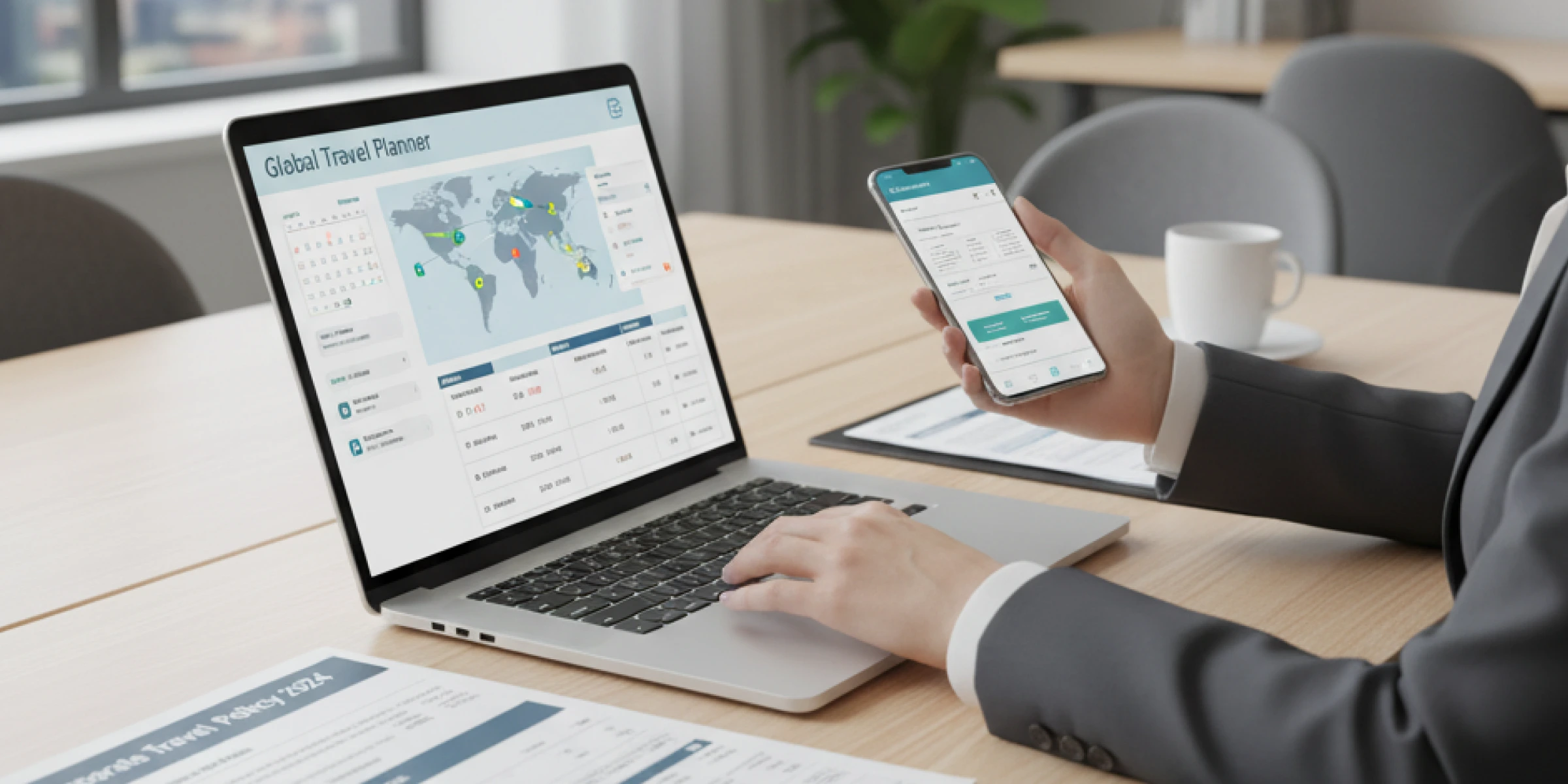

how to clean up corporate travel data framework for finance and hr teams

How to Clean Up Corporate Travel Data: A Practical Framework for Finance and HR Teams

Most companies believe they understand their travel spend. The invoices are there, the cards are charged, and the bills eventually get paid. Yet when finance or HR tries to answer simple questions such as “Where is our money actually going?” or “Are employees following policy?”, the numbers rarely add up.

Travel data looks tidy on the surface, but anyone who has tried to reconcile flight bookings across multiple portals or match invoices against HR records knows how chaotic it can become. Cleaning it up is not only possible but essential if you want predictable budgets, compliant travel, and reliable insights.

This guide offers a practical framework that finance and HR teams can follow to bring order to messy corporate travel data. You will find clear steps, realistic examples, and a structure that can be repeated every quarter.

Why Travel Data Becomes Messy in the First Place

Corporate travel looks simple when viewed from a distance. Employees book a trip, travel, claim expenses, and close the loop. In reality, each of those steps creates data in different systems, leaving room for mismatch and missing information.

Common reasons for poor travel data quality include:

  • Bookings scattered across offline agents, consumer sites, and internal desks
  • Invoices arriving in inconsistent formats and timeframes
  • Expense claims not matching booked itineraries
  • Multiple GST numbers, project codes, or cost centers
  • Changes or cancellations that never get updated in finance systems
  • Lack of a unified reporting view for travel, HR, and finance

Once these issues accumulate, it becomes difficult to track leakage, negotiate meaningful vendor rates, or demonstrate compliance.

A structured clean-up solves this.
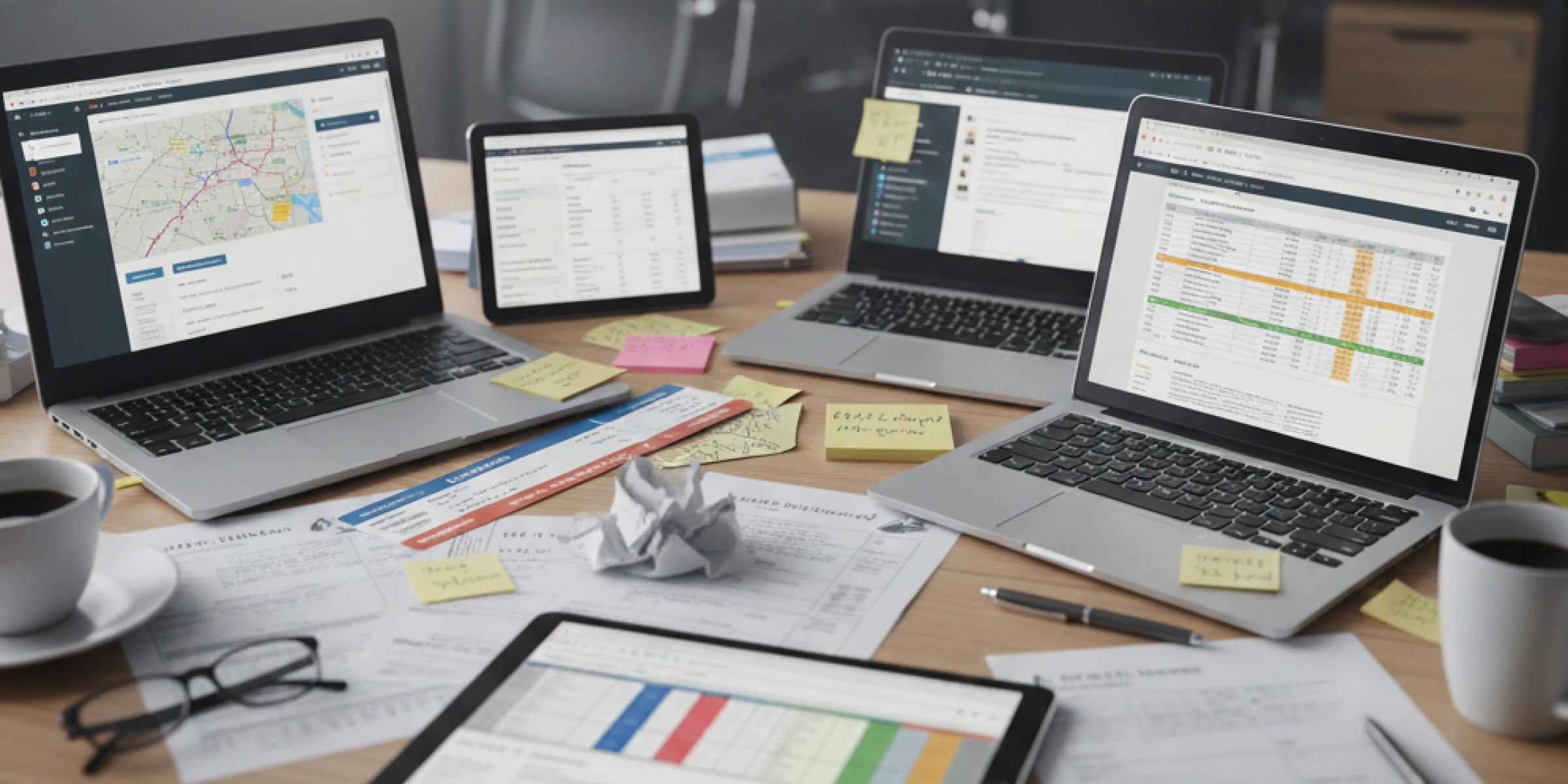
why travel data becomes messy in first place

The Five-Step Framework for Travel Data Clean-Up

This method is designed to work whether you are handling a small dataset or years of legacy information.

1. Map Every Source of Travel Data

Before you clean anything, you must know exactly where the information comes from. Most organisations underestimate this step.

Look for sources such as:

  • Online booking tools
  • Offline travel agents
  • Airline and hotel portals
  • Corporate card statements
  • Expense management systems
  • HR databases
  • GST and invoice repositories

Create a simple map showing which department owns each source, which data fields it stores, and how frequently it updates. This map becomes your reference for the rest of the project.

Tip: If your company allows employees to book outside approved channels, mark those as high-risk sources. They tend to produce the most inconsistent data.

2. Identify Core Fields That Must Match Across Systems

A clean dataset does not require hundreds of fields. It needs a few consistent ones that form the backbone of any travel report.

For most companies, this includes:

  • Employee identifier (email or unique code)
  • Trip dates
  • Route details (origin, destination, return)
  • Vendor name (airline, hotel, car rental)
  • Cost center or project code
  • GST details
  • Booking channel
  • Final invoice amount

Create a master list and check which sources are missing these fields. If one system uses Mumbai while another uses BOM, standardise it. Small mismatches create large reporting errors.

3. Remove Duplicates, Errors, and Incomplete Records

This is where the heavy lifting happens. You will find:

  • Duplicate bookings for the same trip
  • Cancelled trips that still appear as active
  • Expense claims with missing receipts
  • Invoices with incorrect GST splits
  • Bookings with mismatched employee IDs

To manage this:

  • Remove exact duplicates
  • Use date and route logic to identify near-duplicates
  • Mark incomplete records and follow up with departments
  • Align employee data with HR records

If a travel management platform uses automated reconciliation, a significant part of this work is handled by the system. Even then, manual audits every quarter help maintain accuracy.

4. Consolidate the Cleaned Data into One View

Once errors are removed, merge the data into a single reporting layer. This could be a BI dashboard, a finance data warehouse, or the reporting module of your travel platform.

Your consolidated view should answer questions like:

  • What is our total travel spend for the quarter?
  • Which business unit spends the most?
  • What are the top 10 routes and vendors?
  • How much leakage is occurring outside approved channels?
  • Are employees booking within policy?

If you use a travel platform that unifies all booking and invoice data, you gain this clarity instantly. Otherwise, you can build a central dataset using a BI tool.

5. Build an Ongoing Governance Routine

Cleaning data once is not enough. A maintenance routine ensures accuracy stays intact.

A good governance structure includes:

  • Monthly checks for duplicates and mismatches
  • Quarterly alignment of HR and finance data
  • Annual vendor reviews using accurate travel data
  • Policy updates based on actual booking behaviour
  • Automated alerts for overspending or out-of-policy bookings

When recurring reviews become part of your workflow, data problems shrink over time.

What Clean Travel Data Enables for Finance and HR

A well-structured dataset unlocks benefits that go far beyond neat spreadsheets.

Smarter Budgeting and Forecasting

Accurate route patterns and vendor usage show where costs will likely rise or fall. Finance teams can forecast with confidence instead of guessing.

Better Vendor Negotiations

Airlines and hotels respond positively when companies present precise numbers. Clean data strengthens your negotiation position and supports better corporate rates.

Real-time Policy Enforcement

With transparent data, you can pinpoint policy gaps. For example:

  • Are employees choosing higher fare classes than needed
  • Are certain teams booking close to travel dates
  • Are some routes consistently overpriced

A platform that provides real-time analytics will surface these insights quickly.

Simplified GST and Compliance Work

Clean data helps match invoices with booking details and internal records, creating fewer errors during GST claims or audits.

This is an area where organisations that use unified travel systems see significant improvement, since much of the matching is handled automatically.

what clean travel data enables for finance hr

How Modern Travel Platforms Strengthen This Framework

Finance and HR teams often spend weeks reconciling manual data. A centralised booking and invoice system removes a large portion of this workload.

Modern corporate travel platforms provide advantages such as:

  • One booking channel for flights, hotels, and cars
  • Automated matching of invoices with trip data
  • AI-powered anomaly detection for violations or unusual patterns
  • Real-time dashboards for spend visibility
  • Pre-approved budgets connected to booking workflows
  • Accurate GST summaries linked to bookings

Teams that adopt these systems begin with cleaner data from day one, making maintenance easier.

Platforms like AtYourPrice take this further by pairing centralised booking with intelligent spend analysis that highlights leakages, vendor patterns, and compliance gaps. Without stating it directly, these capabilities reduce manual reconciliation and present finance teams with organised, audit-ready data.

How to Build Internal Alignment for a Travel Data Clean-Up

Even the best framework fails if departments do not cooperate. To drive alignment:

Set a shared objective

Bring HR, finance, procurement, and travel managers together to agree on the outcome. It could be:

  • Reliable quarterly travel reporting
  • Reducing leakage
  • Improving compliance
  • Preparing for vendor negotiations

Assign owners to each data source

Make it clear who is responsible for expense data, HR data, invoices, and bookings. Ownership speeds up decisions.

Communicate upcoming changes to employees

If you shift to a single booking platform or introduce stricter workflows, inform employees early. Reduced leakage depends on strong adoption.

FAQs: What People Also Ask

1. Why is corporate travel data often inaccurate?

Travel data becomes inaccurate due to scattered booking channels, missing fields in invoices, manual expense entries, and changes to itineraries that never sync across systems. A structured clean-up process corrects these inconsistencies.

2. How can finance teams reduce data leakage in travel?

Leakage reduces when companies use a central booking tool, enforce policy during booking, and track off-platform reservations. Periodic audits and route-wise reporting also help.

3. What is the best way to reconcile travel invoices?

The most reliable approach is to match invoices with booking data, expense claims, and HR records. Automated reconciliation tools within corporate travel platforms make this faster and prevent human errors.

4. How often should companies audit their travel data?

Monthly light checks and quarterly deep audits work best. Annual audits help with vendor negotiations and policy updates.

5. Can AI make corporate travel data cleaner?

Yes. AI can detect anomalies, identify duplicate bookings, flag suspicious claims, and highlight outliers. It simplifies tasks that usually take finance teams weeks.

Conclusion: Clean Travel Data Starts with a Single Decision

Companies often believe travel data clean-up is too large or too messy to begin. Yet the benefits arrive quickly once the right framework is in place. Finance and HR gain reliable numbers, fewer disputes, and clearer visibility over the organisation’s travel behaviour.

If you want to simplify this process, explore how a unified platform can organise bookings, invoices, and compliance into one dependable system.

To see how this works in practice, book a demo with AtYourPrice today and turn your travel data into a strategic asset.
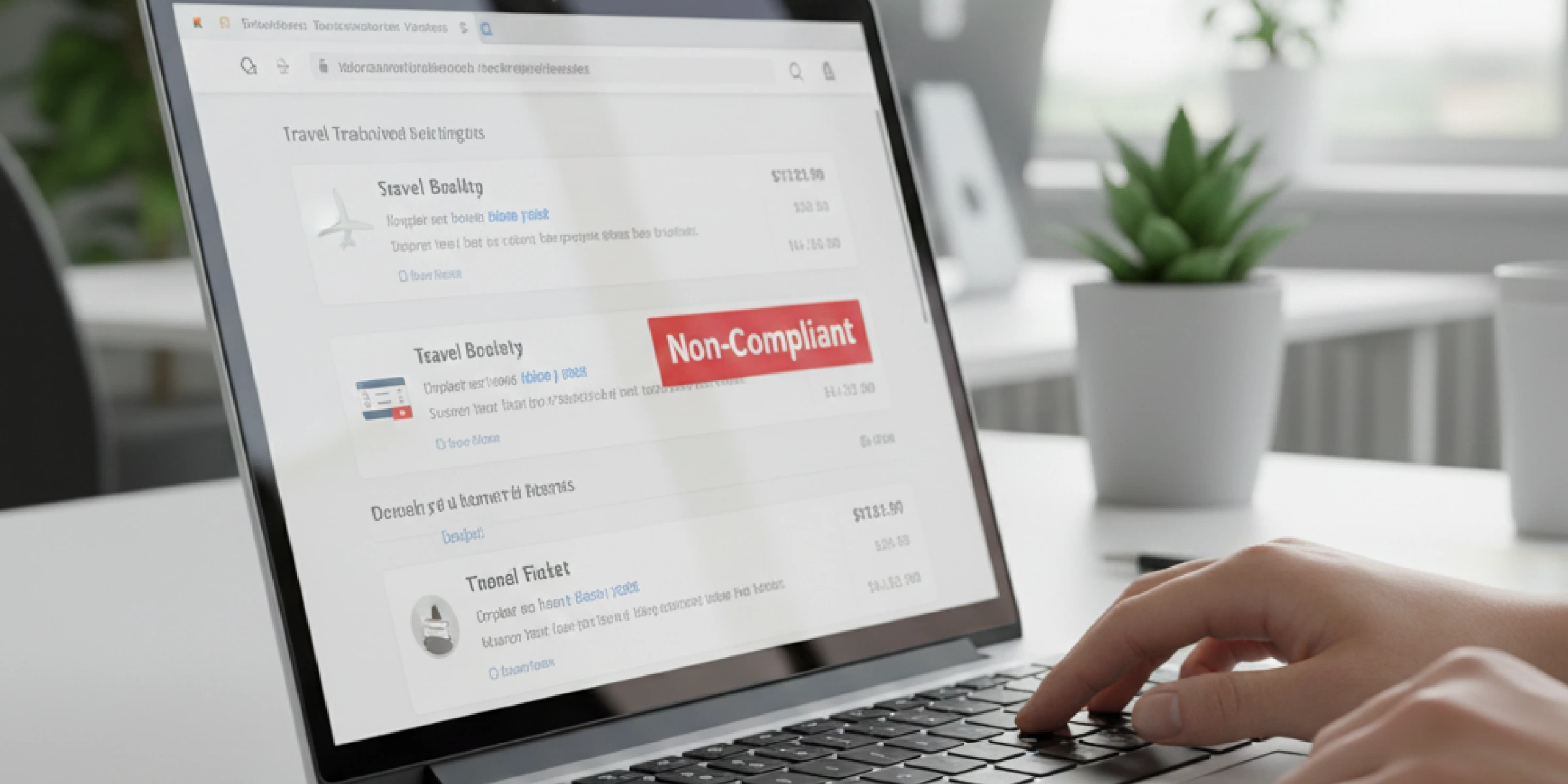
the real price of manual travel management

The Real Price of Manual Travel Management: 7 Hidden Costs You’re Overlooking

A business trip gets approved. An employee fills out a form, emails it to HR, waits for approval, opens three tabs to compare flights, forwards hotel confirmations, saves receipts, and scrambles to file an expense report next week.

Sound familiar? It’s inefficient—and costly.

Most companies know manual travel management wastes time. What they don’t see is how much money it quietly drains each month. The real losses aren’t just in airfare or hotel rates, but in the hidden costs buried within your processes.

Here are seven of them—and how to eliminate each one.

1. Time Theft from High-Value Employees

Your travel manager isn’t hired to manage email threads, yet manual workflows force them to do just that.

An employee requests travel. The manager reviews, clarifies, approves, and books—hours spent on routine coordination. After the trip, receipts, reimbursements, and reports follow, each taking more time.

That’s productive work replaced by administrative tasks. Time lost here means less focus on cost optimization, vendor negotiation, and policy analysis.

Fix it: Adopt a self-service booking platform that automates approvals and keeps bookings within policy. What once took hours can take minutes, freeing your team for strategic work.

2. Missed Savings from Poor Negotiation Leverage

When employees book independently, you lose collective buying power.

Vendors offer discounts only when they see consistent volume. Scattered, untracked bookings across multiple sites make that impossible. Without consolidated data, you can’t negotiate better hotel or flight rates—or avoid last-minute surcharges.

Fix it: Centralize all bookings on one platform. The unified data shows your total travel volume and strengthens your hand in rate negotiations. Platforms with built-in corporate rates offer even faster savings.

3. Policy Violations That Quietly Add Up

When booking is cumbersome, employees bend the rules. They pick what’s convenient, not what’s compliant.

Finance often catches policy breaches only during expense review—too late to reverse them. Rejecting reimbursements creates tension, so many companies absorb the cost. Over time, these unchecked exceptions inflate travel spend.

Fix it: Use software with built-in policy guardrails. It flags or blocks out-of-policy options in real time, making compliance effortless.

policy violations that add up

4. Expense Reporting Errors

Manual expense reports are error-prone on both sides. Employees forget or lose receipts, while finance teams over-reimburse due to unverified or duplicated entries.

Common issues include:

  • Lost or missing receipts
  • Duplicate or incorrect submissions
  • Currency conversion errors
  • Personal expenses mixed with business charges

Each mistake costs time for employees, managers, and finance staff.

Fix it: Integrate your booking and expense systems. When travel is booked through one platform, charges auto-populate expense reports with receipts attached. Finance gets accurate, pre-verified data without manual checks.

5. Risk Management Failures

Without real-time visibility, you can’t always tell who’s traveling or where they are. When a flight is canceled or an emergency occurs, this information gap becomes a real risk.

The blind spots:

  • No centralized traveler tracking
  • Slow communication during disruptions
  • Missing travel insurance details
  • Gaps in compliance with duty-of-care regulations

Even one poorly managed incident can have legal and financial consequences.

Fix it: Modern travel platforms offer live dashboards showing traveler locations, automated alerts for disruptions, and emergency assistance tools—all essential for duty of care.

6. Employee Frustration and Turnover

Manual travel processes frustrate employees who must front their own money and wait weeks for reimbursement. Small inconveniences—missed connections, confusing approvals, delayed payments—add up to long-term dissatisfaction.

High turnover linked to poor travel experiences is a real cost. Replacing an employee costs far more than improving their travel experience.

Fix it: Provide a simple, mobile-friendly platform that mirrors the convenience of personal booking apps. Fast confirmations, automated expense filing, and responsive support turn business travel into a smooth process.

7. Lost Strategic Insight

Manual systems scatter travel data across emails, spreadsheets, and third-party sites. Without central reporting, it’s impossible to analyze spending patterns or identify savings opportunities.

You can’t easily answer questions like:

  • Which routes or cities see the most travel?
  • Are vendor rates competitive?
  • What’s the average cost per trip per department?

Without visibility, decisions rely on guesswork rather than data.

Fix it: Automated travel platforms consolidate and analyze all activity. Dashboards reveal trends, compliance levels, and cost patterns—turning travel from a cost center into a strategic asset.

Moving from Manual to Automated Travel Management

Transitioning doesn’t have to happen overnight. Begin with small, measurable steps.

A simple roadmap:

  1. Audit your current process – Identify time and cost leakages.
  2. Spot quick wins – Start with high-impact inefficiencies.
  3. Select the right tool – Choose a platform that aligns with your policies and workflow.
  4. Test before scaling – Pilot with one department before full rollout.
  5. Track results – Monitor cost savings and refine continuously.

The goal isn’t just automation—it’s better visibility, compliance, and control.

from manual to automated travel management

Frequently Asked Questions

What’s the biggest hidden cost of manual travel management?
Lost productivity. High-value employees spend hours managing logistics and paperwork instead of focusing on core business work.

How much can automation save?
Most companies reduce total travel costs within a year. Added savings come from improved compliance, fewer errors, and time recovered.

What features matter most in travel management software?
Look for policy enforcement, integrated expenses, traveler tracking, real-time support, and detailed analytics. Mobile access and pre-negotiated vendor rates add further value.

Will employees adopt a new system?
Yes—if it’s easier than their current process. Modern tools work like familiar consumer apps, so adoption is typically quick.

How does automation improve compliance?
By enforcing policy at booking time, not during expense review. The system displays compliant options by default and requires justification for any exceptions.

Ready to Eliminate These Hidden Costs?

Every manual process in travel management carries a hidden price tag—one that compounds with every trip.

AtYourPrice helps companies automate booking, expense management, and traveler tracking on a single platform—reducing costs, saving time, and improving compliance.

Schedule a free travel spend analysis to see how much your organization could save by switching from manual to automated travel management.

Stop letting these invisible costs drain your budget. The tools to fix them are ready—you just need to take the first step.

Book your free consultation!

why businesses are moving from travel agencies

Why Businesses Are Moving from Travel Agencies to Smart Travel Platforms

Corporate travel has changed dramatically in recent years. What used to be managed through traditional travel agencies is now being powered by smart, tech-driven platforms that give businesses more control, transparency, and cost efficiency.

If your company still depends on manual bookings, email exchanges, or offline approvals, it might be time to rethink the approach. Businesses worldwide are switching from conventional travel agencies to intelligent travel management platforms — and for good reason.

In this blog, we’ll explore why this shift is happening, what benefits smart platforms offer, and how solutions like AtYourPrice are redefining how modern organizations manage corporate travel.

The Changing Landscape of Corporate Travel

The corporate travel ecosystem used to be simple: a travel agency managed bookings, sent itineraries, and billed the company at the end of the month. But as travel volumes grew and compliance tightened, that model began to crack.

Today’s businesses demand:

  • Faster bookings with better visibility on fares and policies.
  • Cost control without compromising employee convenience.
  • Accurate reporting and analytics for smarter decision-making.
  • Integrated tools for travel approvals, expenses, and GST compliance.

Traditional agencies weren’t designed for this level of agility. Manual workflows can’t keep up with the pace of digital-first business travel.

This is where smart corporate travel platforms come in — combining automation, data, and flexibility to create a better travel experience for both employees and finance teams.

What Are Smart Travel Platforms?

Smart travel platforms are AI-powered, cloud-based systems that help organizations manage every aspect of business travel — from flight bookings to expense tracking — all in one place.

Unlike agencies that rely on human agents and offline systems, these platforms integrate directly with:

  • Airline inventories (including NDC content) for the best fares and flexibility.
  • Corporate policies, ensuring compliance from the first booking click.
  • Expense management systems for end-to-end visibility on travel spend.
  • Tax reconciliation tools (like Auto GST Reclaim) to maximize input credits.

The result?
A faster, more transparent, and data-driven travel management process that saves both time and money.

what are smart travel platforms

Why Businesses Are Making the Switch

Let’s look at the top reasons why companies are moving away from traditional travel agencies and embracing smart travel platforms.

1. Greater Transparency and Control

With travel agencies, businesses often have limited visibility into how fares are chosen or why certain options are presented. The process is opaque, and costs can fluctuate based on manual intervention.

Smart platforms like AtYourPrice eliminate this uncertainty.

  • Companies can compare fares in real time across multiple airlines.
  • Corporate rates and negotiated fares are displayed instantly.
  • Managers can see detailed breakdowns of fares, taxes, and fees before approval.

This level of transparency ensures every rupee spent on travel is accounted for — and every booking aligns with company policy.

2. Time-Saving Automation

Traditional agency workflows involve phone calls, back-and-forth emails, and manual invoice collection. It’s not only inefficient but also prone to delays and human errors.

Smart travel platforms automate the entire process:

  • Employees can book directly within approved policy limits.
  • Managers receive automated approval notifications.
  • E-tickets, invoices, and reports are generated instantly.

Automation ensures travel arrangements that used to take hours can now be completed in minutes — without compromising compliance or cost control.

3. Access to NDC and Dynamic Airline Content

This is a major game-changer.

NDC (New Distribution Capability) is an airline industry standard that allows airlines to distribute fares and ancillary services directly to travel platforms — bypassing traditional Global Distribution Systems (GDS).

Through NDC integration, smart travel platforms offer:

  • Exclusive airline content that’s often cheaper than agency fares.
  • Access to seat upgrades, meals, and baggage options at the time of booking.
  • Transparent pricing without hidden markups.

For businesses, this means better fares, more choices, and greater value per trip.

AtYourPrice, for example, leverages NDC to bring direct airline connectivity, ensuring corporates always get access to the most competitive content and fares.

4. Smarter Spend Management

Without real-time visibility, it’s hard for finance teams to track travel costs accurately. Agencies typically provide monthly reports, which makes it difficult to identify overspending or enforce travel policies.

Smart travel platforms change that with real-time dashboards and analytics.

Finance and admin teams can:

  • Monitor travel spend by department, traveler, or destination.
  • Identify policy violations instantly.
  • Generate custom reports for budgeting and forecasting.

This data-driven approach helps businesses reduce leakage, improve forecasting accuracy, and drive savings across the board.

5. Seamless GST Compliance and Reclaim

Here’s a hidden advantage many companies overlook.

Every airline ticket booked for business purposes includes GST on the fare, which can be claimed as Input Tax Credit (ITC). But collecting and reconciling invoices manually is tedious — and many credits go unclaimed.

Platforms like AtYourPrice offer integration with tools such as Auto GST Reclaim, which:

  • Fetches all airline invoices directly from airline portals.
  • Matches them with booking data automatically.
  • Verifies invoices against GST filings for accuracy.

This ensures 100% GST reclaim eligibility while maintaining audit-ready records — something most agencies can’t provide.

6. Improved Employee Experience

Business travelers expect convenience. If booking a work trip feels more complicated than booking a personal one, adoption suffers.

Smart platforms prioritize user-friendly interfaces and mobile access, allowing travelers to:

  • Book within company policies using just a few clicks.
  • Access real-time itineraries and travel support.
  • Receive automated updates on flight changes or cancellations.

This self-service model empowers employees while ensuring the company retains full visibility and control.

7. Cost Efficiency and ROI

While travel agencies charge commissions or service fees per transaction, smart platforms operate on transparent pricing models — often subscription-based or pay-per-use.

The real savings, however, come from:

  • Reduced administrative workload.
  • Automated policy enforcement.
  • Lower fare access via NDC.
  • Maximized GST reclaim.

Together, these factors can help organizations cut total travel costs by 10–25% annually.

8. Centralized Data and Integrations

Modern travel platforms don’t work in isolation. They integrate seamlessly with your company’s ecosystem — from HR systems to expense tools.

That means:

  • Employee data syncs automatically for faster onboarding.
  • Expenses flow directly into accounting systems.
  • Travel insights feed into budgeting and compliance reports.

Centralization ensures consistency, accuracy, and visibility across every department involved in corporate travel.

Feature

Traditional Travel Agencies

Smart Travel Platforms

Booking Process

Manual (via phone/email)

Automated, online, self-service

Fare Transparency

Limited

Real-time fare visibility

Policy Compliance

Manual enforcement

Automated rule-based control

Reporting

Monthly/Manual

Real-time dashboards

GST Reclaim

Manual, error-prone

Automated with validation

Content Access

GDS-based

NDC + GDS + Direct Airline APIs

Scalability

Limited

Highly scalable and customizable

How AtYourPrice Helps Businesses Modernize Corporate Travel

AtYourPrice is designed for the next generation of business travel management. Built for corporates of all sizes, it combines the power of automation, data intelligence, and seamless integrations to simplify the end-to-end travel experience.

Key Highlights:

  • Smart Booking Engine: Access NDC fares, corporate rates, and dynamic airline content.
  • Automated Policy Controls: Set and enforce travel policies effortlessly.
  • Integrated GST Reclaim: Fetch, match, and reconcile invoices automatically with Auto GST Reclaim.
  • Spend Analytics: Gain real-time insights into your organization’s travel spend patterns.
  • User-Friendly Dashboard: Centralize bookings, invoices, and reports in one secure platform.

AtYourPrice empowers finance and travel admins to manage travel efficiently — without relying on third-party intermediaries or manual processes.

how AtYourPrice helps businesses

The Future of Business Travel Management

Corporate travel is moving toward automation, personalization, and data-driven decision-making.

As companies embrace digital transformation, the expectation for smarter, faster, and more transparent travel solutions will only grow. Traditional travel agencies simply can’t offer the agility or insights that modern businesses need.

Smart platforms like AtYourPrice are not just tools — they’re strategic enablers helping organizations:

  • Improve compliance,
  • Reduce costs,
  • Enhance traveler experience, and
  • Maximize financial efficiency.

FAQs on Smart Travel Platforms

1. What is a smart travel platform?

It’s a digital system that automates and centralizes business travel management — including booking, approvals, invoicing, and expense tracking — all in one interface.

2. How is it different from a traditional travel agency?

Unlike agencies that rely on manual bookings, smart platforms use automation and integrations to deliver real-time fares, enforce travel policies, and provide detailed spend visibility.

3. Can smart travel platforms handle GST reconciliation?

Yes. Solutions like AtYourPrice’s Auto GST Reclaim can automatically fetch airline invoices, match them with bookings, and verify them against GST filings for full compliance.

4. Are smart travel platforms suitable for small businesses?

Absolutely. These platforms scale easily — offering flexibility, cost savings, and automation even for companies with smaller travel volumes.

5. What kind of savings can businesses expect?

Companies using smart platforms typically save 10–25% on total travel costs by improving fare access, automating policies, and reclaiming missed GST credits.

Conclusion: The Smarter Way to Manage Business Travel

The days of managing corporate travel through endless calls and spreadsheets are over.
Businesses are adopting smart travel platforms because they offer what traditional agencies can’t — transparency, automation, and control.

If your organization wants to simplify bookings, recover lost GST, and take full control of travel spend, it’s time to make the switch.

Discover how AtYourPrice can transform your company’s travel management — book a free demo today and see the smarter way to travel.

image 4

Elementor #6239

Lorem ipsum dolor sit amet, consectetur adipiscing elit. Ut elit tellus, luctus nec ullamcorper mattis, pulvinar dapibus leo.

Lorem ipsum dolor sit amet, consectetur adipiscing elit. Ut elit tellus, luctus nec ullamcorper mattis, pulvinar dapibus leo.

Lorem ipsum dolor sit amet, consectetur adipiscing elit. Ut elit tellus, luctus nec ullamcorper mattis, pulvinar dapibus leo.

how small businesses can save on corporate travel

How Small Businesses Can Save More on Corporate Travel

For small businesses, every rupee counts — especially when it comes to corporate travel. Flights, hotels, and transportation costs can add up quickly, and without a structured system, travel expenses can quietly eat into profits.

But here’s the good news: you don’t need a massive budget or a full-time travel manager to control travel spend. With the right tools, smarter planning, and a few insider strategies, small and mid-sized businesses can enjoy the same savings and efficiency that large enterprises do.

This guide breaks down practical, proven ways to reduce business travel costs — without compromising comfort, productivity, or traveler satisfaction.

The Hidden Cost of Unmanaged Business Travel

Many small businesses approach travel on an ad-hoc basis — letting employees book their own flights, compare prices on consumer sites, or claim reimbursements after the trip.

While this might seem flexible, it often leads to:

  • Untracked spending: No visibility into who’s spending what or where.
  • Missed savings: No access to negotiated corporate fares or bulk discounts.
  • Policy confusion: Employees don’t know what’s reimbursable.
  • Time waste: Manual approvals, duplicate receipts, and late reimbursements.

A study by the Global Business Travel Association (GBTA) found that companies without a travel management system spend up to 18% more on travel compared to those with structured policies and technology.

The takeaway? Unmanaged travel is more expensive than managed travel — even for small teams.

hidden cost of unmanaged business travel

1. Start with a Clear Corporate Travel Policy

Before you even start saving, you need structure.
A well-defined travel policy sets expectations, keeps employees aligned, and helps finance teams maintain control.

Here’s what your small business travel policy should include:

  • Booking guidelines: Which platforms or tools should employees use?
  • Preferred vendors: List of approved airlines, hotels, and car rental companies.
  • Spending limits: Maximums for flights, hotels, and meals based on trip type or destination.
  • Approval process: Who approves trips, and how quickly can they?
  • Reimbursement rules: What documents are needed and when to submit them?

Pro tip: Keep your policy simple. A short, one-page guideline is more effective than a 10-page document no one reads.

2. Centralize All Bookings on One Platform

When every employee books separately — via travel sites, agents, or apps — costs become fragmented and harder to track.

Centralizing bookings with a corporate travel management platform like AtYourPrice (AYP) ensures:

  • Consistent policy compliance.
  • Access to negotiated fares and corporate rates.
  • Consolidated invoices for easy accounting.
  • Better visibility of total travel spend.

Even small businesses can benefit from a central dashboard that tracks flight, hotel, and rail bookings in one place — something AYP simplifies by design.

It’s the easiest first step toward saving both time and money.

3. Embrace Smart Booking Strategies

Getting the best price isn’t always about hunting for discounts — it’s about booking smarter.

Here’s how small businesses can cut costs without cutting corners:

  • Book early: Flights booked 15–20 days in advance can be up to 25% cheaper.
  • Stay flexible: Allow employees to travel on off-peak days (Tuesdays or Wednesdays) when fares are lower.
  • Use fare comparison tools: Platforms like AYP aggregate multiple sources to show the most cost-effective options.
  • Opt for refundable fares: They might seem costlier upfront, but they save money in the long run if plans change.

Small tweaks in booking behavior can translate into significant annual savings — especially if you travel frequently.

4. Negotiate with Vendors and Leverage Corporate Rates

Many small businesses assume that negotiated rates are only for large corporations — but that’s not true anymore.

Here’s how you can still get preferential pricing:

  • Use your travel volume: Even 10–15 trips a month can justify a small business discount.
  • Partner with a TMC or platform: AtYourPrice connects companies to pre-negotiated rates across airlines and hotels.
  • Join loyalty programs: Corporate reward programs (like airline business portals) offer redeemable points or upgrades.
  • Ask for add-ons: Free breakfast, Wi-Fi, or late check-outs can make a big difference in total trip value.

A little negotiation effort — or the right platform partner — can unlock major savings on your recurring travel expenses.

5. Automate Travel Approvals and Expense Reporting

If your current travel approval process involves long email threads, you’re losing time and efficiency.

Automation can make a world of difference.

Here’s what it looks like in practice:

  • Employees raise a travel request through the booking platform.
  • Managers receive instant notifications for approval.
  • Approved bookings auto-sync with the company’s expense system.
  • Reimbursements and reports are generated automatically.

Platforms like AtYourPrice simplify this workflow, reducing manual work and speeding up turnaround times.
The result? Happier employees, faster reimbursements, and fewer administrative headaches.

automate travel approvals expense reporting

6. Keep an Eye on Data and Travel Insights

You can’t optimize what you don’t measure.

Tracking key travel metrics can help small businesses make smarter budgeting decisions. Some useful KPIs to monitor include:

  • Average trip cost (airfare + hotel + other expenses)
  • Top routes and destinations
  • Policy compliance rate
  • Vendor performance
  • Last-minute bookings

By analyzing these insights, you can identify patterns — like a specific route that’s consistently overpriced — and act on them.

Platforms like AYP provide data visibility and reporting tools to help small businesses understand their travel behavior and cut unnecessary costs.

7. Ensure GST-Compliant Invoicing and Reclaim Tax Credits

For Indian businesses, GST compliance plays a crucial role in managing travel expenses.

If invoices aren’t GST-compliant or are missing key details, your business might lose eligible input tax credits — directly increasing your net costs.

By consolidating bookings through a corporate travel platform, companies can:

  • Receive proper GST invoices from registered vendors.
  • Automate invoice collection and reconciliation.
  • Streamline documentation for audits.

This level of accuracy can lead to significant tax savings over time.

External link suggestion: GST Portal – Official Resources

8. Encourage Smarter Employee Travel Habits

Sometimes, saving money is less about policy and more about culture.

Encourage employees to take ownership of travel costs by:

  • Choosing cost-effective options within policy limits.
  • Avoiding last-minute bookings.
  • Using digital tools for receipts and reporting.
  • Sharing best practices with new team members.

You can even recognize employees who consistently follow travel policy or help reduce costs — small incentives can drive big behavioral change.

9. Revisit and Update Your Policy Regularly

A travel policy shouldn’t be static. Business travel trends, airline pricing, and employee needs change frequently — your policy should too.

Schedule a bi-annual policy review to check for:

  • Outdated rules or restrictions.
  • Frequent exception requests.
  • Vendor rate changes or new partnerships.

Staying flexible ensures your policy supports growth instead of limiting it.

10. Partner with the Right Travel Platform

Technology is the biggest enabler of travel cost savings.
But the key is choosing a solution that aligns with your scale and workflow.

Platforms like AtYourPrice (AYP) are designed to simplify travel management for businesses of all sizes — including small and mid-sized companies.

Here’s how AYP can help:

  • Centralized air, hotel, and rail bookings in one interface.
  • Transparent pricing with access to multiple fare sources.
  • Customizable approval workflows.
  • GST-compliant invoices and consolidated billing.
  • Real-time visibility into total corporate travel spend.

Even if your team only travels occasionally, having a structured, centralized system ensures every trip is efficient, compliant, and cost-optimized.

Explore how AtYourPrice can help your business save on corporate travel — book a quick demo today.

FAQs About Saving on Corporate Travel

1. How can small businesses manage travel costs effectively?

Start by centralizing bookings, enforcing a clear travel policy, and using a corporate travel platform that provides visibility into spend and compliance.

2. Are corporate travel platforms affordable for small businesses?

Yes. Many travel platforms, including AtYourPrice, are scalable — meaning you only pay for what your business needs, without enterprise-level pricing.

3. What are the biggest travel expense leaks in small businesses?

Last-minute bookings, non-compliant expenses, and lack of GST invoice management are the most common cost leaks.

4. How can automation reduce travel spend?

Automation eliminates manual approvals, improves policy compliance, and consolidates data for better decision-making — reducing both time and financial waste.

5. Do travel management tools offer better rates than consumer sites?

Yes. Corporate travel platforms often have access to negotiated rates and inventory that aren’t visible on public booking sites.

Conclusion: Saving Smart Is Better Than Cutting Costs

For small businesses, saving on corporate travel isn’t about penny-pinching — it’s about creating efficiency and visibility.
With the right structure, policy, and technology, you can ensure every business trip delivers value, not just expense.

AtYourPrice empowers companies to do exactly that — by simplifying corporate travel booking, ensuring compliance, and helping you spend smarter every step of the way.

Start optimizing your travel spend today — book a demo with AtYourPrice and see how easy business travel can be.


what is a corporate travel consultant

What Is a Corporate Travel Consultant and How AtYourPrice Simplifies Business Travel Management

Introduction: Why Businesses Are Rethinking the Corporate Travel Consultant

When it comes to managing corporate travel, most companies still think of hiring a corporate travel consultant — someone who handles bookings, negotiates rates, and ensures policy compliance. But as travel costs, safety expectations, and employee demands grow more complex, traditional consulting models are starting to show their limits.

That’s where modern, AI-powered travel management platforms like AtYourPrice (AYP) come in. Think of it as having a smart corporate travel consultant — only faster, data-driven, and available 24/7.

In this blog, we’ll break down what corporate travel consultants do, their challenges, and how AtYourPrice gives companies the same expertise — and far more — through automation, analytics, and intelligent travel workflows.

What Does a Corporate Travel Consultant Do?

A corporate travel consultant helps companies plan, organize, and manage business trips. Traditionally, they’re responsible for:

  • Booking and coordination: Flights, hotels, cabs, and more.
  • Policy compliance: Ensuring every trip follows company travel policies.
  • Expense tracking: Monitoring budgets and reconciling travel expenses.
  • Traveler support: Assisting employees when disruptions occur.
  • Reporting: Analyzing travel data for cost optimization.

They play a valuable role — but most rely on manual processes, phone calls, and spreadsheets. That works for a handful of trips, but not when you’re managing dozens of employees across multiple cities or countries.

what does corporate travel consultant do

The Limitations of Traditional Travel Consulting

Traditional corporate travel consultants are helpful, but they come with some pain points that companies increasingly want to solve:

  • Limited scalability: Consultants handle requests manually — making it hard to keep up as your company grows.
  • Lack of real-time visibility: Finance or HR teams often have to wait until trips are complete to see expenses.
  • High dependency: You rely on external personnel for every change or rebooking.
  • No automation: Repetitive tasks like approvals or expense reconciliations take time and human effort.
  • Reactive rather than proactive: Consultants typically respond to issues; they don’t prevent them.

In contrast, AtYourPrice automates what a consultant does — and adds features no human team could match in speed, accuracy, or insight.

Meet AtYourPrice: The Smarter Alternative to Corporate Travel Consulting

AtYourPrice (AYP) is a unified corporate travel management platform that helps businesses of all sizes simplify every stage of travel — from booking to approval to reporting — while cutting costs and improving visibility.

Instead of relying on manual coordination, AYP acts like your digital corporate travel consultant — powered by automation, data, and AI.

Here’s how:

1. Automated Booking and Approvals

Employees can book flights, hotels, or cars directly on the platform. Policies and approval hierarchies are built-in, so everything stays compliant — no manual review required.

2. Real-Time Fare Tracking (LFSA)

AYP’s Low Fare Savings Alerts automatically detect fare drops after booking and rebook at the lowest available price. Traditional consultants can’t match that speed.

3. Centralized Visibility for All Stakeholders

CFOs, HR, and travel managers can see real-time dashboards of spend, compliance, and traveler status. Every rupee spent is visible instantly.

4. Smart Policy Enforcement

AYP integrates your corporate travel policy directly into the booking flow — preventing out-of-policy bookings before they happen.

5. Traveler Safety and Duty of Care

Know exactly where your employees are and provide instant support during disruptions or emergencies.

6. Data-Driven Insights

Get detailed analytics to track travel spend, supplier performance, and ROI. AYP gives you consultant-level strategy with platform precision.

Why Businesses Are Moving from Consultants to Technology

Today’s organizations want control, transparency, and agility — and they want it without endless coordination.

That’s why companies are transitioning from traditional travel consultancy models to intelligent travel management solutions like AtYourPrice.

ChallengeTraditional ConsultantAtYourPrice Solution
Booking delaysManual communicationSelf-booking with automated approval
Policy enforcementRelies on remindersBuilt-in compliance
Cost optimizationReactive negotiationReal-time fare tracking (LFSA)
VisibilityPost-trip reportsLive dashboards
ScalabilityLimited human bandwidthUnlimited users & automation

AtYourPrice transforms how travel is managed — giving your team the control of a consultant, the efficiency of automation, and the insight of analytics.

The Hidden ROI of Using a Digital Travel Platform

When you automate travel management, the benefits extend far beyond convenience.

1. Reduced Costs

With features like LFSA and negotiated corporate rates, companies regularly save up to 20–25% on annual travel spend.

2. Streamlined Approvals

Approvers get instant notifications, so trips move faster and employees aren’t stuck waiting for email chains.

3. Enhanced Employee Experience

Travelers enjoy flexibility while staying compliant. Less frustration = higher satisfaction.

4. Real-Time Reporting

Finance teams no longer chase receipts — every transaction is logged and categorized automatically.

5. Simplified Duty of Care

HR and managers can locate travelers during disruptions or emergencies instantly.

In short, AYP doesn’t just replace a consultant — it empowers your entire travel ecosystem.

How AtYourPrice Works: A Consultant in a Dashboard

AtYourPrice consolidates all the key elements of travel management into one intuitive platform:

  1. Plan: Define travel policies, budgets, and approval workflows.
  2. Book: Employees access a global inventory of flights and hotels at the best rates.
  3. Approve: Automated workflows send requests to the right approver instantly.
  4. Track: Real-time dashboards show travel spend, policy compliance, and fare savings.
  5. Report: Generate actionable insights and analytics to fine-tune your travel program.

It’s the corporate travel consultant reimagined as a platform — smart, scalable, and always on.

Key Features That Set AtYourPrice Apart

  • Low Fare Savings Alerts (LFSA): Automatic detection of fare drops.
  • Multi-level Approvals: Fully customizable workflows.
  • Corporate Negotiated Fares: Access to global networks for better pricing.
  • Travel Policy Integration: Enforced in real-time during booking.
  • Expense Integration: Seamless sync with accounting tools.
  • Traveler Tracking: Duty of care visibility across regions.
  • Custom Reports: For CFOs, HR, and travel managers.

The Future of Corporate Travel Management

The future of corporate travel isn’t manual coordination — it’s automation with accountability.

Platforms like AYP are helping companies move from reactive travel management (book, report, analyze later) to proactive travel control (predict, prevent, and save in real time).

Corporate travel consultants aren’t disappearing — they’re evolving.
And platforms like AtYourPrice represent that evolution, combining human expertise with the intelligence of automation.

future of corporate travel management

FAQs

  1. What is a corporate travel consultant?
    A corporate travel consultant plans and manages business trips — handling bookings, policies, and traveler support for companies.
  2. Is AtYourPrice a corporate travel consultant?
    AtYourPrice is not a traditional travel consultant. It’s a technology-driven platform that automates and enhances everything a consultant does — from policy management to fare optimization.
  3. How does AtYourPrice help companies save on travel costs?
    AYP uses automation tools like Low Fare Savings Alerts (LFSA), policy enforcement, and negotiated fares to minimize spend without compromising on traveler comfort.
  4. Who benefits from using AtYourPrice?
    Travel managers, CFOs, HR leaders, and employees — everyone gains visibility, control, and convenience.
  5. Can small and mid-sized businesses use AtYourPrice?
    Absolutely. AYP is built to scale for any business size — from startups to enterprises — offering flexibility and centralized control.

Conclusion: The Smart Way to Manage Corporate Travel

The term “corporate travel consultant” might still top Google searches — but the smartest companies know the future lies in automation, insight, and self-service control.

With AtYourPrice, you don’t need to depend on manual coordination or third-party agents. You get the expertise of a consultant, the efficiency of AI, and the transparency of a unified dashboard — all in one place.

Ready to simplify and modernize your corporate travel program?
Book a demo with AtYourPrice today and experience how effortless business travel management can truly be.

how to automate gst reconciliation business travel

How to Automate GST Reconciliation for Business Travel

Managing GST on business travel might seem straightforward — until you realize how much money your company could be losing in missed input tax credits (ITC).

Every time your employees book flights for business, a portion of the fare includes GST that can be claimed as a credit. But between booking tickets, collecting invoices, reconciling them with travel data, and ensuring compliance, most companies end up missing thousands (or even lakhs) of rupees in eligible GST credits every year.

That’s where automation comes in.

In this guide, we’ll break down how businesses can automate GST reconciliation for corporate air travel, the challenges of manual processes, and how smart solutions like Auto GST Reclaim by AtYourPrice can make the entire process seamless and compliant.

Understanding GST Reconciliation in Business Travel

Before diving into automation, let’s understand what GST reconciliation actually means in the context of business travel.

When employees travel for business, airlines issue invoices containing GST — typically 5% on the base fare for economy class and 12% for business class. To claim this as Input Tax Credit (ITC), businesses need to:

  1. Collect valid GST invoices from airlines.
  2. Match these invoices with corresponding travel bookings.
  3. Ensure the vendor’s GST filings (GSTR-1) reflect the same data as your company’s GSTR-2A or 2B.

If there’s a mismatch — say, the airline hasn’t uploaded the invoice or the GST number is incorrect — the credit cannot be claimed.

This is why accurate, timely reconciliation is critical for maximizing GST returns on travel expenses.

understanding gst reconciliation business travel

Why Manual GST Reconciliation Doesn’t Work

Many finance teams still rely on spreadsheets and manual checks to track travel invoices. But here’s the problem: corporate travel data moves fast — hundreds of tickets, cancellations, and rebookings happen every month.

Manual reconciliation quickly becomes unmanageable due to:

  • Missing invoices: Airlines issue invoices on their own portals, not always via email.
  • Multiple airline portals: Corporates often book across multiple carriers — Indigo, Air India, Vistara, SpiceJet — each requiring separate logins.
  • Human error: Cross-verifying GSTINs, invoice numbers, and travel details manually invites mistakes.
  • Delayed filings: If reconciliation isn’t completed before filing returns, you lose that month’s input credit.

The result?
Incomplete data, missed claims, and significant loss in recoverable tax.

According to industry estimates, companies lose up to 20–30% of eligible GST credits on airline bookings due to manual errors or non-reconciliation.

How Automation Transforms GST Reconciliation

Automating GST reconciliation is about connecting the dots between travel data, invoices, and compliance filings — without human intervention.

Let’s look at how it works in practice.

Step 1: Auto-Fetch Airline Invoices

Instead of manually logging into multiple airline portals, automation tools can directly fetch all airline invoices for your company using your corporate GST number.

For instance, solutions like Auto GST Reclaim by AtYourPrice:

  • Automatically download tax invoices from multiple airline portals (IndiGo, Air India, Vistara, etc.).
  • Store them securely in a centralized dashboard.
  • Tag invoices with corresponding booking references.

This eliminates the need for employees or admins to chase invoices — saving hours of manual effort every month.

Step 2: Match Invoices with Travel Bookings

The next challenge is reconciliation — matching airline invoices with actual flight bookings made by employees.

Automated systems can:

  • Cross-check PNRs, ticket numbers, and passenger details against your company’s booking records.
  • Identify mismatches (for instance, if an invoice is missing or a booking was canceled).
  • Flag duplicate or invalid entries automatically.

This ensures that only valid, GST-compliant bookings are included for credit claims.

Step 3: Verify Vendor Filings and GSTINs

Once invoices are collected and matched, the tool verifies whether the airline has filed its outward supply (GSTR-1) correctly and whether the invoice reflects in your GSTR-2B statement.

If an invoice isn’t showing up in your 2B, you’ll know before filing — giving your finance team a chance to follow up with the vendor or adjust accordingly.

This real-time GST verification ensures compliance and prevents loss of credits due to missing or mismatched filings.

Step 4: Generate Accurate Reports for Filing

With all invoices fetched, matched, and verified, automation platforms compile the data into a clean, ready-to-file report.

Your finance team gets:

  • Reconciliation summaries showing total eligible and ineligible GST credits.
  • Audit-ready reports for documentation.
  • GST-wise breakdowns across different airlines and cost centers.

This reduces dependency on multiple systems or consultants and helps maintain complete transparency in tax recovery.

Benefits of Automating GST Reconciliation for Business Travel

Automation isn’t just about saving time — it’s about maximizing tax efficiency and minimizing compliance risk.

Here’s what businesses stand to gain:

1. Recover 100% Eligible GST Credits

Automated reconciliation ensures every valid invoice is captured, verified, and claimed. This means no more missed credits due to human oversight.

2. Eliminate Manual Errors

By removing spreadsheets and manual data entry, companies significantly reduce mismatches and compliance risks.

3. Ensure On-Time Filing

With automation, reconciliation happens in real time — ensuring that all eligible invoices are ready before the filing deadline.

4. Improve Finance Efficiency

Finance teams can focus on analysis and strategic work instead of repetitive data validation.

5. Centralized Visibility

A unified dashboard gives finance managers a clear view of invoices, reconciliation status, and claimable credits — all in one place.

6. Compliance Confidence

Every invoice and claim is automatically verified with GST portal data, ensuring regulatory accuracy and audit readiness.

Key Features to Look for in an Automated GST Reconciliation Tool

When choosing a tool or platform for automating GST reconciliation, here’s what you should look for:

  • Multi-airline integration: The ability to fetch invoices from all major Indian airlines.
  • Real-time GST verification: Automatic cross-check with GSTR-2B data.
  • Error detection: Flags mismatches, missing invoices, and duplicate claims.
  • Central dashboard: A unified interface for monitoring reconciliation progress.
  • Audit support: Easy export of reconciled data for compliance teams.
  • Data security: End-to-end encryption and access control to protect financial data.

Tools like Auto GST Reclaim by AtYourPrice are built to deliver exactly these capabilities — making GST reconciliation seamless and compliant for corporates of all sizes.

How Auto GST Reclaim Simplifies Airline GST Recovery

While many companies use internal tools or manual workflows, AtYourPrice’s Auto GST Reclaim was designed to automate the entire airline GST reconciliation journey — from invoice fetching to claim reporting.

Here’s how it supports businesses:

  • Invoice Automation: Fetches invoices directly from multiple airline portals linked to your GSTIN.
  • Smart Matching Engine: Reconciles each invoice with your booking data for accurate mapping.
  • GST Status Validation: Cross-verifies invoices against the GST portal for compliance.
  • Dashboard Overview: Provides a visual snapshot of total invoices fetched, matched, and pending.
  • Claim Optimization: Helps businesses maximize their ITC recovery rate.

Even if your organization manages travel through multiple channels, the tool centralizes everything — ensuring no eligible credit is left unclaimed.

Real-World Impact: What Businesses Gain

Businesses that have automated their airline GST reconciliation process have reported:

  • 30–40% faster month-end closure cycles.
  • 20% higher GST reclaim rates compared to manual methods.
  • Zero missed invoices due to automation.
  • Enhanced compliance accuracy, reducing audit risks.

For large enterprises, this can mean tens of lakhs in reclaimed tax every year. For mid-sized companies, it’s about operational efficiency and peace of mind knowing their credits are intact.

Getting Started with Automation: A Step-by-Step Roadmap

If you’re ready to automate your GST reconciliation, here’s how to begin:

  1. Audit your current process: Identify how invoices are collected, matched, and claimed.
  2. Estimate potential savings: Review past travel expenses to find missed credits.
  3. Choose a platform: Evaluate GST automation tools that align with your travel volume and systems.
  4. Integrate airline and booking data: Connect your GSTIN and travel data for seamless syncing.
  5. Train your finance team: Walk them through dashboard usage and reporting features.
  6. Monitor and optimize: Use the insights to refine your booking and travel policies for better tax efficiency.
getting started with automation

FAQs on Automating GST Reconciliation for Business Travel

1. What is GST reconciliation in airline travel?

It’s the process of matching airline invoices with bookings and verifying them with GST filings to claim eligible input tax credits.

2. Why do businesses miss GST input credits?

Most losses happen due to missing invoices, incorrect GSTINs, or invoices not reflecting in GSTR-2B due to manual errors or delays.

3. Can small businesses benefit from GST reconciliation automation?

Yes — automation isn’t just for large enterprises. Even small businesses with frequent air travel can reclaim significant tax credits with minimal effort.

4. How does Auto GST Reclaim by AtYourPrice work?

It automatically fetches airline invoices, matches them with booking data, and verifies them against GST filings to ensure 100% eligible ITC recovery.

5. Is GST automation safe and compliant?

Absolutely. Reputable tools like Auto GST Reclaim use secure data encryption and comply with GST portal standards for data validation.

Conclusion: Simplify, Automate, and Maximize Your GST Savings

GST reconciliation doesn’t have to be a painful, time-consuming task.
With automation, businesses can reclaim every eligible rupee, reduce compliance risks, and free up finance teams for more strategic work.

If your organization still manages travel invoices manually, now’s the time to evolve.
Discover how AtYourPrice’s Auto GST Reclaim can help your company achieve 100% accuracy in GST recovery — effortlessly.

Book a demo today to see how automation can transform your GST reconciliation process.

corporate travel safety

Corporate Travel Safety & Security: A Complete Guide for Modern Businesses

When employees travel for work, your company’s responsibility doesn’t end once their flight takes off. From last-minute cancellations to health risks or security incidents, business travel can expose employees — and organizations — to a wide range of unpredictable challenges.

In a world of constant change, corporate travel safety and security have become essential to running a modern, resilient business. It’s not just about protecting employees — it’s about ensuring continuity, compliance, and confidence every time someone travels on behalf of your brand.

This guide breaks down what every organization needs to know about travel safety — including how to prepare, prevent, and respond effectively using smart technology like AtYourPrice, which brings order, visibility, and automation to corporate travel management.

Why Corporate Travel Safety Matters More Than Ever

Today’s business travelers face a more complex environment than ever before — new health regulations, cybersecurity risks, and even geopolitical disruptions can quickly derail a well-planned trip.

Ignoring travel safety doesn’t just affect employees; it affects business outcomes. Here’s why it should be a top priority:

  • Employee well-being: Your people are your biggest investment — protecting them protects your business.

  • Operational continuity: Disruptions can cause delays, cancellations, and productivity loss.

  • Cost control: Unexpected events can lead to unplanned expenses and budget overruns.

  • Reputation protection: A single mishandled incident can impact how clients and employees view your company.

In short, safe travel equals sustainable business — and companies that plan for safety stay more agile and resilient in uncertain times.

corporate travel safety matters more than ever

Common Corporate Travel Safety Risks

Business trips can look routine — until something goes wrong. Identifying and preparing for potential risks is the foundation of travel safety management.

1. Health and Medical Risks

  • Exposure to new environments, illnesses, or food-related health issues

  • Limited access to healthcare facilities abroad

  • Fatigue from long travel hours and time-zone changes

How to reduce risk:

  • Provide access to telemedicine and global health coverage

  • Encourage pre-travel health check-ins

  • Share local health and safety advisories before departure

2. Travel and Transportation Challenges

  • Flight delays, cancellations, or lost baggage

  • Unsafe local transportation or unverified taxi services

  • Late-night arrivals in unfamiliar cities

How to reduce risk:

  • Use trusted booking platforms like AtYourPrice, which offer real-time updates and safer vendor options

  • Provide clear transport guidance and verified pickup arrangements

  • Encourage flexible, refundable bookings to minimize loss

3. Data and Cybersecurity Threats

  • Public Wi-Fi networks in airports or hotels can expose sensitive business data

  • Lost devices containing company information

  • Phishing or cyberattacks targeting travelers abroad

How to reduce risk:

  • Enforce VPN use and multi-factor authentication

  • Provide cybersecurity awareness training for travelers

  • Use encrypted, cloud-based systems for travel communication and document sharing

4. Location-Specific Risks

  • Natural disasters, strikes, or political instability can affect traveler safety

  • Local laws and cultural differences may lead to misunderstandings

  • Language barriers during emergencies

How to reduce risk:

  • Share pre-trip destination briefings

  • Use travel platforms that monitor global alerts in real time

  • Provide emergency translation and support contacts

Building a Comprehensive Corporate Travel Safety Program

A travel safety program isn’t just a document — it’s a living system that guides how your company prepares for, manages, and responds to travel-related incidents.

Here’s how to build a strong framework.

1. Risk Assessment and Planning

Before any trip is approved, evaluate the destination’s risk level, local infrastructure, and traveler profile.

Action steps:

  • Categorize destinations by safety risk (low, medium, high)

  • Assess traveler-specific needs (e.g., first-time travelers, senior leadership, women travelers)

  • Use technology like AtYourPrice to log and track traveler profiles and upcoming trips

2. Pre-Trip Preparation

Preparation reduces anxiety and ensures employees know how to respond in unexpected situations.

Pre-trip checklist:

  • Share destination risk reports and health guidelines

  • Confirm emergency contacts and insurance coverage

  • Provide in-app access to travel documents and itineraries

  • Brief travelers on company safety protocols

3. Real-Time Monitoring and Support

Once travelers are on the move, visibility is everything. Companies must be able to track locations, anticipate issues, and respond quickly.

How AtYourPrice helps:

  • Real-time itinerary tracking across air, hotel, and ground bookings

  • Automated alerts for delays, cancellations, or global incidents

  • Centralized communication — contact travelers instantly when disruptions occur

With complete oversight, companies can act fast — whether it’s rebooking a flight, finding alternative hotels, or ensuring travelers reach safety during a crisis.

4. Emergency Response and Communication

Even the most prepared travelers can face unexpected incidents. Having a response plan helps teams act decisively.

Your plan should include:

  • A 24/7 contact channel for emergency help

  • Step-by-step action guides for common incidents (flight disruptions, illness, loss of documents)

  • Designated escalation teams in HR or admin departments

  • Access to local consulates, medical facilities, and transportation options

Consistency is key — make sure every employee knows exactly who to reach out to in any situation.

5. Post-Trip Review and Continuous Improvement

Safety management doesn’t end when travelers return home. Post-trip debriefs can highlight gaps or improvements for future journeys.

Post-trip evaluation ideas:

  • Collect traveler feedback on accommodation, transport, and safety

  • Review incident logs or near-miss reports

  • Update travel safety protocols based on real-world data

With platforms like AtYourPrice, all this information can be stored and analyzed in one place — helping you continuously refine your travel program.

The Role of Technology in Modern Travel Safety

Gone are the days of fragmented spreadsheets, scattered itineraries, and manual approvals. Today’s travel safety is driven by technology, automation, and visibility.

Here’s how the right travel management platform transforms safety operations:

1. Centralized Bookings and Visibility

Having all bookings — flights, hotels, cabs — in one platform gives organizations a single source of truth.
This makes it easier to monitor where travelers are, which vendors they’re using, and whether their choices align with company policy.

2. Real-Time Alerts and Disruption Management

Automated notifications help travelers and travel admins stay informed of changes like weather alerts, delays, or strikes.
AtYourPrice integrates alerts and rebooking assistance — minimizing downtime and confusion during disruptions.

3. Data-Driven Safety Insights

Analytics tools identify travel trends, frequent risks, and spending inefficiencies.
This helps companies forecast better, negotiate with safer vendors, and adjust travel plans proactively.

4. Policy Compliance and Approval Control

Platforms like AtYourPrice automatically flag bookings that don’t meet company safety or budget guidelines — ensuring every trip follows the right process, without micromanagement.

How to Empower Employees to Travel Safely

Corporate travel safety isn’t just about systems — it’s about culture. When employees feel empowered and informed, they make smarter choices on the road.

Practical steps to build traveler confidence:

  • Share easy-to-read safety guides and checklists before every trip

  • Provide access to emergency contacts within your travel app

  • Encourage travelers to report incidents or unsafe conditions immediately

  • Recognize employees who follow safety best practices

Creating a safety-first culture shows employees that your organization values their well-being — and that responsibility is shared across teams, not just management.

empower employees to travel safely

Corporate Travel Safety Best Practices

Here’s a quick summary of practical steps every company can implement today:

  • Centralize all bookings through a trusted platform like AtYourPrice

  • Train employees on safety and cybersecurity awareness

  • Monitor global destinations using automated alerts

  • Conduct quarterly reviews of vendors and destinations

  • Establish 24/7 support for travelers in transit

  • Keep digital copies of all essential documents securely stored

  • Track travel spend and safety incidents together for better reporting

When safety and visibility work hand in hand, business travel becomes not just smoother — but smarter.

FAQs on Corporate Travel Safety & Security

1. What is corporate travel safety?

It’s the set of processes, tools, and practices businesses use to protect employees during work trips — covering health, cybersecurity, logistics, and emergency preparedness.

2. What are the main risks of business travel?

Common risks include health issues, transport disruptions, theft, cyber threats, and unfamiliar local conditions.

3. How can businesses improve corporate travel safety?

By developing clear travel safety protocols, using tech platforms for visibility, offering traveler training, and ensuring 24/7 communication channels.

4. How does technology improve travel safety?

Technology provides real-time tracking, automated alerts, and centralized control — helping businesses respond instantly to disruptions or incidents.

5. What’s the most effective way to manage travel safety across multiple teams?

Adopt a unified corporate travel management platform like AtYourPrice to manage bookings, approvals, and safety alerts under one digital roof.

Final Thoughts: Smarter Travel Is Safer Travel

Corporate travel safety is no longer optional — it’s a competitive advantage.
When your people feel secure, they travel with confidence, represent your business better, and deliver stronger outcomes.

With AtYourPrice, companies can simplify travel management, gain complete visibility, and ensure employee safety without the manual chaos.
One platform — for smarter, safer, and more controlled business travel.

Ready to make corporate travel safer and simpler? Book a demo with AtYourPrice and see how effortless corporate travel safety can be.

essential guide to corporate travel policy

The Essential Guide to Corporate Travel Policy

Introduction: Why Every Company Needs a Strong Travel Policy

Business travel is back in full swing. From client meetings to conferences, companies are investing heavily in travel again—but without clear guidelines, costs and chaos quickly spiral out of control.

That’s where a corporate travel policy comes in. More than just a rulebook, it’s a framework that helps businesses balance cost control, employee safety, and productivity. Done right, it protects both the company’s bottom line and its people on the move.

In this guide, we’ll break down what makes an effective travel policy, the elements every company should include, and how modern technology platforms like AtYourPrice (AYP) make compliance effortless.

What Is a Corporate Travel Policy?

A corporate travel policy is a set of rules and guidelines that govern how employees book, pay for, and manage business trips. It covers everything from booking channels and expense limits to safety measures and reimbursement procedures.

Why It Matters:

  • Cost Control: Prevents overspending and hidden charges.

  • Traveler Safety: Ensures employees are protected while on the road.

  • Compliance: Keeps the company aligned with tax, visa, and regulatory requirements.

  • Productivity: Reduces booking friction so employees can focus on work.

Without a policy, companies face higher costs, frustrated employees, and compliance risks.

what is corporate travel policy

Core Elements of a Strong Corporate Travel Policy

1. Booking Guidelines

Define how and where employees should book their trips.

  • Approved booking platforms or agencies

  • Preferred airlines, hotels, and car rental partners

  • Advance booking requirements to lock in lower fares

2. Expense Management

Set clear rules around what can and cannot be reimbursed.

  • Flight class eligibility (economy vs. business class)

  • Daily meal allowances

  • Ground transport options

  • Rules for upgrades and add-ons

3. Duty of Care Provisions

Companies have a legal and moral responsibility to keep employees safe while traveling. Policies should outline:

  • Emergency support contacts

  • Health and safety protocols

  • Real-time tracking of travelers

  • Insurance coverage details

4. Approval Workflows

Avoid bottlenecks by clarifying approval processes.

  • Who approves travel requests

  • Situations where pre-approval is waived (urgent trips)

  • Automated approval flows via a travel management platform

5. Reimbursement Process

Employees shouldn’t have to chase their expenses. Clearly define:

  • Documentation required (receipts, digital proof, etc.)

  • Timeline for reimbursements

  • Expense reporting tools used

6. Sustainability Goals

Modern policies increasingly include eco-conscious guidelines. Examples:

  • Encouraging train travel for short distances

  • Partnering with eco-friendly hotels

  • Offsetting carbon emissions

Common Mistakes Companies Make With Travel Policies

Even well-meaning policies often fail because they are:

  • Too Complex: Employees don’t read or understand them.

  • Too Rigid: Leaves no room for flexibility in emergencies.

  • Outdated: Policies haven’t evolved with hybrid work or modern travel needs.

  • Poorly Enforced: Employees book outside policy due to clunky systems.

The solution? Keep it clear, flexible, updated, and automated.

How HR, Finance, and Travel Managers Benefit from a Policy

For HR

  • Ensures duty of care and employee well-being.

  • Reduces travel-related stress and burnout.

For Finance & CFOs

  • Improves visibility into spend.

  • Reduces leakage from out-of-policy bookings.

For Travel Managers

  • Simplifies bookings through one system.

  • Provides real-time insights into travel disruptions and costs.

Technology’s Role in Simplifying Corporate Travel Policy

A policy is only effective if it’s easy to follow. That’s where platforms like AtYourPrice make the difference.

How AtYourPrice Supports Corporate Travel Policies:

  • Automated Compliance: Policies are built into the platform—employees can’t book outside approved rules.

  • Low Fare Savings Alerts (LFSA): Automatically rebooks at lower fares if prices drop after booking.

  • Seamless Approvals: No delays—approvals flow automatically based on policy rules.

  • Cost Transparency: Full visibility of the “real” travel cost upfront.

Instead of employees memorizing every detail, the system enforces the policy behind the scenes.

How to Create (or Update) Your Corporate Travel Policy

  • Assess Current Gaps
    • Are employees booking outside approved channels?
    • Is traveler satisfaction low?

    • Are costs unpredictable?

  • Engage Stakeholders
    • Get input from HR, finance, and frequent travelers.
  • Set Clear Objectives
    • Savings, compliance, safety, or employee well-being (or all).
  • Keep It Simple
    • Use plain language.
    • Limit jargon and fine print.
  • Leverage Technology
    • Implement a platform that enforces policy automatically.
  • Review Regularly
    • Update at least once a year to adapt to new risks, travel patterns, and sustainability goals.

how to create corporate travel policy

FAQs

1. What is the purpose of a corporate travel policy?
A travel policy ensures companies balance cost control, compliance, and employee well-being during business trips. It standardizes booking, approvals, and expense management.

2. How do you enforce a corporate travel policy?
Using a travel management platform like AtYourPrice automates compliance by embedding rules directly into the booking process, reducing policy violations.

3. Who should be involved in creating a travel policy?
HR, finance leaders, travel managers, and frequent business travelers should all have input to make the policy comprehensive and practical.

4. How often should a travel policy be updated?
At least once a year, or sooner if there are major business changes, global travel disruptions, or new compliance requirements.

5. What are examples of sustainable travel policy measures?
Encouraging train travel for short distances, choosing eco-certified hotels, and offsetting carbon emissions are increasingly common additions.

Conclusion: A Policy That Works for Everyone

A corporate travel policy isn’t just paperwork—it’s the backbone of safe, cost-effective, and stress-free business travel. When done well, it helps employees feel supported while giving companies control over spend and compliance.

With AtYourPrice, you don’t just set policies—you enforce them effortlessly. The platform automates approvals, captures hidden savings, ensures duty of care, and provides visibility for all stakeholders.

Ready to take the chaos out of business travel? Book a demo with AtYourPrice today and see how one platform turns travel policy into practice.