



How AtYourPrice Uses Real-Time Data to Secure the Best Corporate Rates

7 min read
how atyourprice uses real time data to secure the best corporate rates

Views: 1

A travel manager approves a flight request in the morning. By the time the booking is confirmed in the afternoon, the fare has increased. A hotel rate that looked affordable last week suddenly doubles because of a conference in the city.

Corporate travel pricing changes quickly. Airlines and hotels adjust their rates constantly based on demand, availability, and market conditions. For companies that manage travel through manual processes or scattered booking tools, keeping up with these changes becomes difficult.

This is where real-time travel data plays a critical role. Modern travel platforms analyse pricing information across airlines, hotels, and booking channels as it changes. Instead of relying on outdated rate lists or manual comparisons, organisations can make travel decisions based on current market conditions.

Platforms like AtYourPrice use real-time data to help companies find competitive fares, maintain policy compliance, and secure better corporate travel rates. In this guide, we explain how real-time data works in corporate travel and how organisations can use it to optimise travel spending.

Why Corporate Travel Pricing Changes So Frequently

Travel pricing has evolved significantly in the past decade. Airlines and hotels no longer rely on fixed pricing models. Instead, they use dynamic pricing systems that adjust rates continuously.

These changes depend on several factors:

  • Seat availability on flights
  • Hotel occupancy levels
  • Seasonal demand
  • Major events or conferences
  • Fuel costs and operational factors

For example, airlines such as IndiGo and Air India adjust ticket prices based on demand across popular routes. Flights between business hubs like Delhi and Mumbai may fluctuate several times within a single day.

Industry research from the International Air Transport Association highlights how airlines increasingly rely on demand-driven pricing strategies.

Because of these constant changes, companies that rely on outdated rate comparisons often pay more than necessary.

What Real-Time Data Means in Corporate Travel

Real-time travel data refers to live pricing and availability information from multiple travel suppliers.

Instead of reviewing static price lists, travel management platforms continuously analyse:

  • Flight fares across airlines
  • Hotel room availability and pricing
  • Booking patterns and travel demand
  • Historical travel data from the company

This information allows the platform to recommend travel options that balance cost, convenience, and company policy.

With real-time data integrated into the booking process, travel managers and employees can make better decisions at the moment of booking.

what real time data means in corporate travel

How AtYourPrice Uses Real-Time Data to Identify the Best Rates

Real-time data becomes valuable when it is analysed and presented in a meaningful way. AtYourPrice combines live travel data with intelligent algorithms to help companies secure competitive travel rates.

Live Flight Fare Comparison

When a traveller searches for flights, the platform scans multiple airline inventories simultaneously.

This allows the system to compare:

  • Flight schedules
  • Fare categories
  • Available seat classes
  • Corporate negotiated rates

For example, if an employee needs to travel from Chennai to Bengaluru, the system presents options from multiple airlines in a single interface.

Travellers and travel managers can quickly identify the most cost-effective option without switching between different websites.

Real-Time Hotel Rate Monitoring

Hotel pricing changes frequently based on occupancy levels and local demand.

A unified platform monitors hotel inventory across preferred suppliers and compares rates across different booking sources.

For instance, if an employee plans to stay in Hyderabad during a major business event, hotel prices may increase quickly. Real-time monitoring helps identify available properties that still fall within the company’s approved rate limits.

This ensures travellers find suitable accommodation without exceeding travel policy budgets.

Corporate Rate Integration

Many companies negotiate corporate rates with airlines and hotel partners. However, these negotiated rates are only effective when employees actually use them.

Travel platforms integrate these corporate agreements directly into the booking interface.

This allows travellers to see:

  • Corporate negotiated fares
  • Preferred hotel pricing
  • Partner airline benefits

When corporate rates are automatically highlighted, travellers are more likely to choose them.


Using Travel Data to Predict Cost Trends

Real-time pricing data provides immediate insights, but historical data also plays an important role.

Platforms like AtYourPrice analyse past travel activity to identify patterns such as:

  • Routes with consistently high travel demand
  • Departments that travel most frequently
  • Seasonal price increases

For example, companies with frequent travel between Bengaluru and Singapore may notice predictable fare increases during certain months.

These insights allow travel managers to adjust policies or negotiate better supplier agreements.

Real-Time Alerts for Better Booking Decisions

One of the most practical benefits of real-time data is the ability to alert travellers about price changes.

Modern travel platforms can notify users when:

  • A flight price increases or decreases
  • A preferred hotel becomes available
  • A better fare appears on a selected route

These alerts help travellers book at the right moment instead of guessing when prices might change.

For companies that manage frequent travel, this small improvement can produce significant cost savings over time.

Strengthening Travel Policy Compliance with Data

Corporate travel policies are designed to control costs and maintain consistency across travel bookings.

However, policies only work when travellers can easily identify compliant options.

Real-time data makes policy enforcement easier by:

  • Highlighting approved price ranges
  • Displaying preferred airline partners
  • Filtering hotel options that exceed budget limits

If a traveller attempts to select an option outside policy guidelines, the system can notify them immediately.
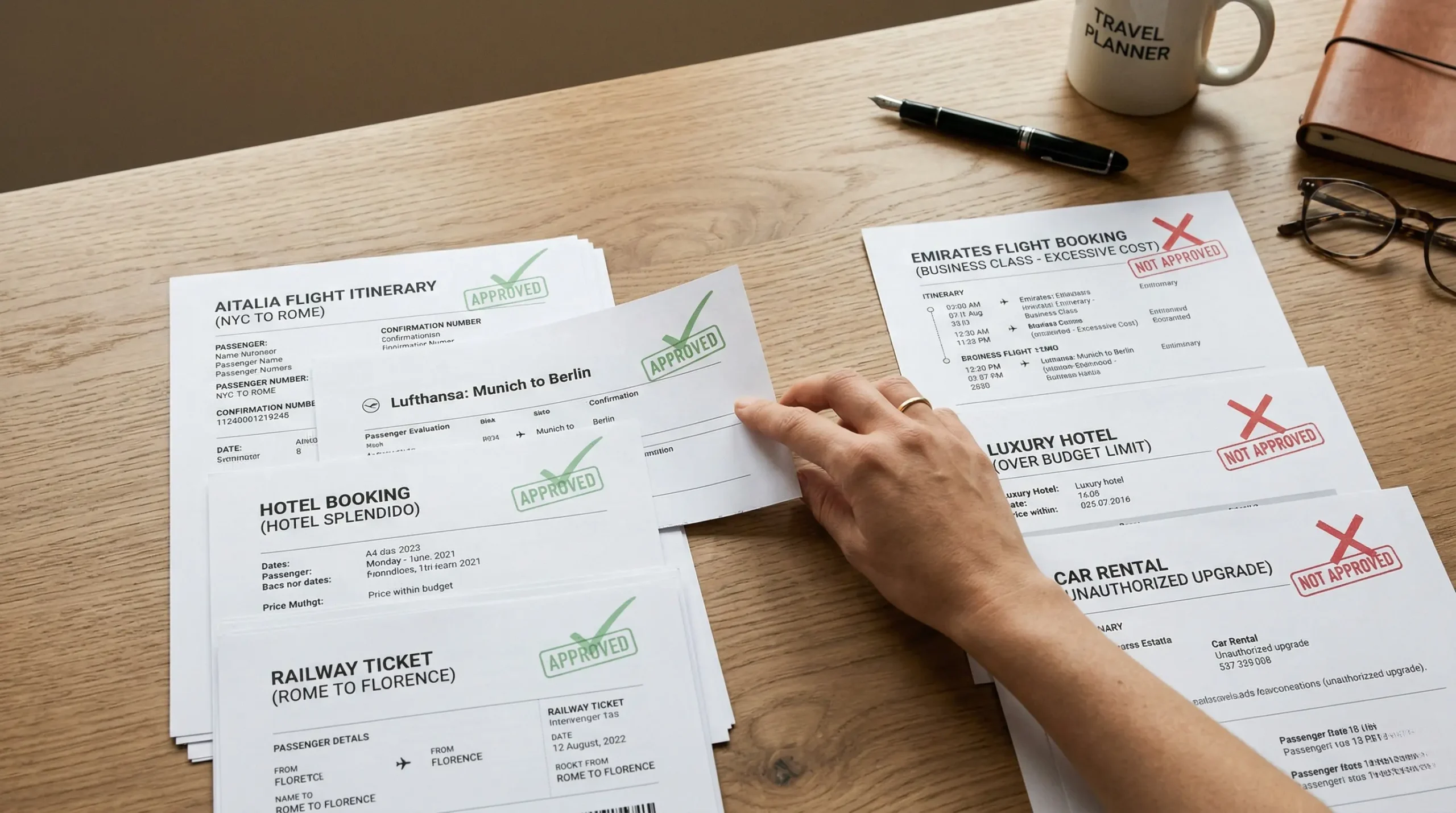
strengthening travel policy compliance w data

Real-Time Data and Corporate Travel Transparency

Data transparency has become a major priority for finance teams and travel managers.

Real-time reporting allows organisations to monitor travel activity across departments and locations.

Dashboards within AtYourPrice can display insights such as:

  • Total travel spend
  • Cost per trip
  • High-demand travel routes
  • Policy compliance rates

For example, if travel between Delhi and Dubai increases unexpectedly, finance teams can investigate the reason quickly.

This transparency supports better financial planning and more accurate travel budgeting.

Benefits of Real-Time Data for Corporate Travel Programs

Companies that use real-time travel data often experience several measurable improvements.

Better Cost Control

Access to live pricing information allows companies to identify affordable travel options at the right moment.

Faster Booking Decisions

Travellers no longer need to compare multiple websites or wait for travel managers to review pricing.

Improved Policy Compliance

When policy-compliant options appear automatically, travellers are more likely to follow company guidelines.

Stronger Supplier Negotiations

Accurate travel data helps procurement teams negotiate better agreements with airlines and hotel partners.

Clearer Financial Reporting

Real-time reporting allows finance teams to monitor travel budgets and detect unusual spending patterns early.

Preparing Your Organisation for Data-Driven Travel Management

Adopting real-time data tools requires more than installing new software. Organisations should also adjust their travel management processes.

Centralise Travel Bookings

Encourage employees to book travel through approved platforms rather than consumer booking websites.

Centralisation ensures accurate data collection.

Align Travel Policies with Technology

Travel policies should integrate with booking systems so travellers can easily identify approved options.

Train Employees on Travel Tools

Short training sessions help employees understand how to use booking platforms and take advantage of real-time travel insights.

Frequently Asked Questions

What is real-time data in corporate travel?

Real-time data refers to live pricing and availability information from airlines, hotels, and travel suppliers that updates continuously during the booking process.

How does real-time data help companies save on travel costs?

Real-time pricing allows travellers and travel managers to compare multiple options instantly and book the most cost-effective choice.

Can real-time travel data improve policy compliance?

Yes. Booking platforms can automatically highlight travel options that meet company policy guidelines and alert travellers when they select options outside those limits.

Why do airline ticket prices change so frequently?

Airlines use dynamic pricing systems that adjust fares based on demand, seat availability, and market conditions.

How can companies access real-time travel data?

Companies typically access real-time travel data through corporate travel management platforms that integrate airline and hotel inventories.

Does real-time data help with travel budgeting?

Yes. Real-time reporting and analytics help finance teams monitor travel spending and identify cost trends across departments.

Final Thoughts

Corporate travel pricing has become more dynamic than ever. Airlines and hotels adjust rates constantly, which means companies must make travel decisions based on current information rather than outdated price comparisons.

Real-time travel data provides the visibility needed to manage these changes effectively.

Platforms like AtYourPrice analyse live pricing information, highlight corporate negotiated rates, and present policy-compliant travel options in a single interface.

This approach allows organisations to control travel spending, simplify booking processes, and gain deeper insight into travel activity across the company.

If your organisation wants to secure better corporate travel rates and improve visibility into travel spending, consider adopting a data-driven travel management platform.

Book a demo today to see how AtYourPrice can help your company use real-time data to optimise corporate travel.

A travel manager approves a flight request in the morning. By the time the booking is confirmed in the afternoon, the fare has increased. A hotel rate that looked affordable last week suddenly doubles because of a conference in the city.

Corporate travel pricing changes quickly. Airlines and hotels adjust their rates constantly based on demand, availability, and market conditions. For companies that manage travel through manual processes or scattered booking tools, keeping up with these changes becomes difficult.

This is where real-time travel data plays a critical role. Modern travel platforms analyse pricing information across airlines, hotels, and booking channels as it changes. Instead of relying on outdated rate lists or manual comparisons, organisations can make travel decisions based on current market conditions.

Platforms like AtYourPrice use real-time data to help companies find competitive fares, maintain policy compliance, and secure better corporate travel rates. In this guide, we explain how real-time data works in corporate travel and how organisations can use it to optimise travel spending.

Why Corporate Travel Pricing Changes So Frequently

Travel pricing has evolved significantly in the past decade. Airlines and hotels no longer rely on fixed pricing models. Instead, they use dynamic pricing systems that adjust rates continuously.

These changes depend on several factors:

  • Seat availability on flights
  • Hotel occupancy levels
  • Seasonal demand
  • Major events or conferences
  • Fuel costs and operational factors

For example, airlines such as IndiGo and Air India adjust ticket prices based on demand across popular routes. Flights between business hubs like Delhi and Mumbai may fluctuate several times within a single day.

Industry research from the International Air Transport Association highlights how airlines increasingly rely on demand-driven pricing strategies.

Because of these constant changes, companies that rely on outdated rate comparisons often pay more than necessary.

What Real-Time Data Means in Corporate Travel

Real-time travel data refers to live pricing and availability information from multiple travel suppliers.

Instead of reviewing static price lists, travel management platforms continuously analyse:

  • Flight fares across airlines
  • Hotel room availability and pricing
  • Booking patterns and travel demand
  • Historical travel data from the company

This information allows the platform to recommend travel options that balance cost, convenience, and company policy.

With real-time data integrated into the booking process, travel managers and employees can make better decisions at the moment of booking.

what real time data means in corporate travel

How AtYourPrice Uses Real-Time Data to Identify the Best Rates

Real-time data becomes valuable when it is analysed and presented in a meaningful way. AtYourPrice combines live travel data with intelligent algorithms to help companies secure competitive travel rates.

Live Flight Fare Comparison

When a traveller searches for flights, the platform scans multiple airline inventories simultaneously.

This allows the system to compare:

  • Flight schedules
  • Fare categories
  • Available seat classes
  • Corporate negotiated rates

For example, if an employee needs to travel from Chennai to Bengaluru, the system presents options from multiple airlines in a single interface.

Travellers and travel managers can quickly identify the most cost-effective option without switching between different websites.

Real-Time Hotel Rate Monitoring

Hotel pricing changes frequently based on occupancy levels and local demand.

A unified platform monitors hotel inventory across preferred suppliers and compares rates across different booking sources.

For instance, if an employee plans to stay in Hyderabad during a major business event, hotel prices may increase quickly. Real-time monitoring helps identify available properties that still fall within the company’s approved rate limits.

This ensures travellers find suitable accommodation without exceeding travel policy budgets.

Corporate Rate Integration

Many companies negotiate corporate rates with airlines and hotel partners. However, these negotiated rates are only effective when employees actually use them.

Travel platforms integrate these corporate agreements directly into the booking interface.

This allows travellers to see:

  • Corporate negotiated fares
  • Preferred hotel pricing
  • Partner airline benefits

When corporate rates are automatically highlighted, travellers are more likely to choose them.


Using Travel Data to Predict Cost Trends

Real-time pricing data provides immediate insights, but historical data also plays an important role.

Platforms like AtYourPrice analyse past travel activity to identify patterns such as:

  • Routes with consistently high travel demand
  • Departments that travel most frequently
  • Seasonal price increases

For example, companies with frequent travel between Bengaluru and Singapore may notice predictable fare increases during certain months.

These insights allow travel managers to adjust policies or negotiate better supplier agreements.

Real-Time Alerts for Better Booking Decisions

One of the most practical benefits of real-time data is the ability to alert travellers about price changes.

Modern travel platforms can notify users when:

  • A flight price increases or decreases
  • A preferred hotel becomes available
  • A better fare appears on a selected route

These alerts help travellers book at the right moment instead of guessing when prices might change.

For companies that manage frequent travel, this small improvement can produce significant cost savings over time.

Strengthening Travel Policy Compliance with Data

Corporate travel policies are designed to control costs and maintain consistency across travel bookings.

However, policies only work when travellers can easily identify compliant options.

Real-time data makes policy enforcement easier by:

  • Highlighting approved price ranges
  • Displaying preferred airline partners
  • Filtering hotel options that exceed budget limits

If a traveller attempts to select an option outside policy guidelines, the system can notify them immediately.

strengthening travel policy compliance w data

Real-Time Data and Corporate Travel Transparency

Data transparency has become a major priority for finance teams and travel managers.

Real-time reporting allows organisations to monitor travel activity across departments and locations.

Dashboards within AtYourPrice can display insights such as:

  • Total travel spend
  • Cost per trip
  • High-demand travel routes
  • Policy compliance rates

For example, if travel between Delhi and Dubai increases unexpectedly, finance teams can investigate the reason quickly.

This transparency supports better financial planning and more accurate travel budgeting.

Benefits of Real-Time Data for Corporate Travel Programs

Companies that use real-time travel data often experience several measurable improvements.

Better Cost Control

Access to live pricing information allows companies to identify affordable travel options at the right moment.

Faster Booking Decisions

Travellers no longer need to compare multiple websites or wait for travel managers to review pricing.

Improved Policy Compliance

When policy-compliant options appear automatically, travellers are more likely to follow company guidelines.

Stronger Supplier Negotiations

Accurate travel data helps procurement teams negotiate better agreements with airlines and hotel partners.

Clearer Financial Reporting

Real-time reporting allows finance teams to monitor travel budgets and detect unusual spending patterns early.

Preparing Your Organisation for Data-Driven Travel Management

Adopting real-time data tools requires more than installing new software. Organisations should also adjust their travel management processes.

Centralise Travel Bookings

Encourage employees to book travel through approved platforms rather than consumer booking websites.

Centralisation ensures accurate data collection.

Align Travel Policies with Technology

Travel policies should integrate with booking systems so travellers can easily identify approved options.

Train Employees on Travel Tools

Short training sessions help employees understand how to use booking platforms and take advantage of real-time travel insights.

Frequently Asked Questions

What is real-time data in corporate travel?

Real-time data refers to live pricing and availability information from airlines, hotels, and travel suppliers that updates continuously during the booking process.

How does real-time data help companies save on travel costs?

Real-time pricing allows travellers and travel managers to compare multiple options instantly and book the most cost-effective choice.

Can real-time travel data improve policy compliance?

Yes. Booking platforms can automatically highlight travel options that meet company policy guidelines and alert travellers when they select options outside those limits.

Why do airline ticket prices change so frequently?

Airlines use dynamic pricing systems that adjust fares based on demand, seat availability, and market conditions.

How can companies access real-time travel data?

Companies typically access real-time travel data through corporate travel management platforms that integrate airline and hotel inventories.

Does real-time data help with travel budgeting?

Yes. Real-time reporting and analytics help finance teams monitor travel spending and identify cost trends across departments.

Final Thoughts

Corporate travel pricing has become more dynamic than ever. Airlines and hotels adjust rates constantly, which means companies must make travel decisions based on current information rather than outdated price comparisons.

Real-time travel data provides the visibility needed to manage these changes effectively.

Platforms like AtYourPrice analyse live pricing information, highlight corporate negotiated rates, and present policy-compliant travel options in a single interface.

This approach allows organisations to control travel spending, simplify booking processes, and gain deeper insight into travel activity across the company.

If your organisation wants to secure better corporate travel rates and improve visibility into travel spending, consider adopting a data-driven travel management platform.

Book a demo today to see how AtYourPrice can help your company use real-time data to optimise corporate travel.
Add a Comment

Your email address will not be published. Required fields are marked *