Why Last-Minute Bookings Burn Your Budget (and How to Stop It)

5 min read
why last-minute booking burn your budget (and how to stop it)

Views: [post_views]

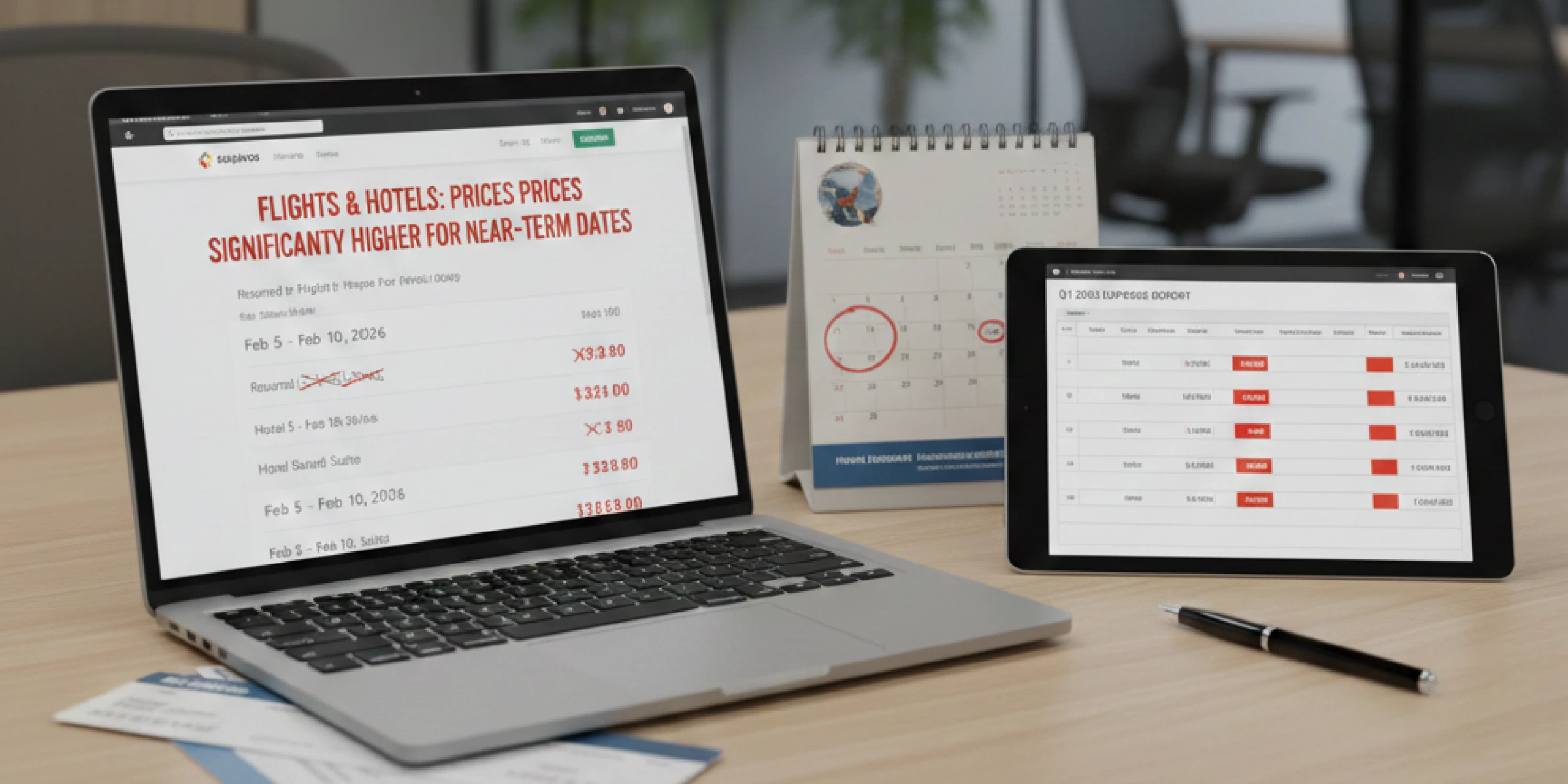
Picture this: your team gets a sudden client meeting across the country. You rush to book flights and hotels—only to realize the fares have doubled overnight. Stress aside, that single delay has just cost your company thousands more than if you’d booked earlier.

Last-minute bookings aren’t just a minor inconvenience. They quietly eat away at corporate travel budgets, reduce options, and disrupt productivity. Let’s explore why this happens, what it really costs, and how you can take back control.

The Hidden Costs of Booking Late

1. Skyrocketing Airfares

Airlines operate on dynamic pricing models. The closer you get to the departure date, the fewer seats are available—and the higher the fares climb. A flight booked two weeks in advance could be 20–30% cheaper than one booked 48 hours before takeoff.

2. Hotel Rate Surges

Hotels often raise room prices when availability drops. Those last three rooms? They’ll go to the highest bidder. In busy business hubs, late bookings can mean paying 30–40% more, or worse—ending up far from your meeting venue.

3. Transport and Logistics Premiums

Whether it’s booking airport transfers, car rentals, or ride-hailing services, late arrangements usually mean premium pricing. Add in surcharges for peak hours or limited availability, and you’ve blown the budget before the trip even begins.

4. Lost Productivity

Last-minute bookings also cost time. Employees spend hours chasing approvals, coordinating schedules, and finding alternatives—time that could have been spent on billable work or strategic projects.

Why Last-Minute Bookings Cost More

Supply and Demand in Action

When demand is high and supply is low, prices soar. This principle drives both airline and hotel pricing models, especially in corporate travel hotspots.

Less Room for Negotiation

Advance planners have leverage. They can negotiate group rates, loyalty perks, or flexible terms. Last-minute bookers? They’re stuck with whatever’s left—usually at a premium.

Operational Friction

Rushed bookings mean errors are more likely—duplicate reservations, policy violations, or forgotten approvals. These mistakes inflate costs even further.

why last-minute booking cost more

How Early Planning Saves Money (and Sanity)

Booking ahead isn’t just about cheaper prices—it’s about smarter choices. Companies that encourage advance booking often see benefits such as:

  • Access to better flight times and seat options.
  • Negotiated hotel rates that include perks (breakfast, transfers, flexible cancellations).
  • More efficient travel approval workflows.
  • Happier employees who don’t have to scramble under pressure.

Strategies to Avoid Last-Minute Costs

1. Set a Minimum Lead Time Policy

Establish a rule: flights must be booked at least 14 days in advance, hotels at least 7 days. Clearly outline exceptions (like emergencies or last-minute client meetings).

2. Use Smart Travel Management Platforms

Modern platforms can:

  • Flag overpriced options.
  • Recommend alternate dates or vendors.
  • Automate approvals and ensure policy compliance.

3. Build Vendor Partnerships

Secure corporate rates with airlines, hotels, and car services. Even when booking late, preferred partnerships can help cap the damage.

4. Incentivize Employees to Book Early

Reward early planners with perks like seat upgrades, meal allowances, or recognition in internal newsletters. Positive reinforcement works better than penalties.

5. Keep a Contingency Fund

Some trips will always be urgent. By allocating a small “rush budget,” you can keep unplanned expenses from wrecking your forecasts.

Example: The Cost of Delay

Let’s illustrate with a simple scenario:

  • Flight booked 14 days in advance: ₹25,000
  • Flight booked 2 days in advance: ₹33,000
  • Hotel (3 nights, business city): ₹9,000 vs. ₹12,000
  • Car rental (per day): ₹2,000 vs. ₹2,600

Total difference for one traveler = ₹11,600 extra. Multiply that across 10 employees traveling monthly, and you’re leaking over ₹1.3 lakh every month just by booking late.

Building a Culture of Planning Ahead

Policies and tools are only effective if employees buy into them. Here’s how to create a proactive travel culture:

  • Share real examples of savings achieved through early booking.
  • Integrate travel planning into project timelines and client engagements.
  • Train managers to reinforce policies and approve exceptions wisely.

When employees see how planning benefits both the company and themselves, compliance improves naturally.

building culture of planning ahead

FAQs – Answering Common Travel Budget Questions

Q1: Is it really cheaper to book flights and hotels early?
Yes. Flights booked 2–3 weeks in advance are often 20–30% cheaper. Hotels may raise prices by up to 40% closer to check-in.

Q2: How do I stop employees from booking late?
Clear policies, easy-to-use booking platforms, and employee incentives are the best combination.

Q3: What if a last-minute trip is unavoidable?
Maintain a contingency budget and build strong vendor partnerships for better rates, even under time pressure.

Q4: Does using a travel management platform help?
Absolutely. Platforms automate policy enforcement, track spend, and provide cheaper alternatives employees might miss.

Q5: Can last-minute bookings ever save money?
Rarely. While leisure travelers sometimes find last-minute deals, corporate routes and business hotels almost always get more expensive as the date nears.

Wrapping Up

Last-minute bookings aren’t just a scheduling hassle—they’re a budget drain. From higher fares and room rates to lost productivity, the true costs add up quickly. The fix? Smart policies, proactive planning, and the right tools to support your team.

Don’t let last-minute habits burn your travel budget. Talk to us today to see how our travel management solution can help you plan smarter, book earlier, and save significantly.

Picture this: your team gets a sudden client meeting across the country. You rush to book flights and hotels—only to realize the fares have doubled overnight. Stress aside, that single delay has just cost your company thousands more than if you’d booked earlier.

Last-minute bookings aren’t just a minor inconvenience. They quietly eat away at corporate travel budgets, reduce options, and disrupt productivity. Let’s explore why this happens, what it really costs, and how you can take back control.

The Hidden Costs of Booking Late

1. Skyrocketing Airfares

Airlines operate on dynamic pricing models. The closer you get to the departure date, the fewer seats are available—and the higher the fares climb. A flight booked two weeks in advance could be 20–30% cheaper than one booked 48 hours before takeoff.

2. Hotel Rate Surges

Hotels often raise room prices when availability drops. Those last three rooms? They’ll go to the highest bidder. In busy business hubs, late bookings can mean paying 30–40% more, or worse—ending up far from your meeting venue.

3. Transport and Logistics Premiums

Whether it’s booking airport transfers, car rentals, or ride-hailing services, late arrangements usually mean premium pricing. Add in surcharges for peak hours or limited availability, and you’ve blown the budget before the trip even begins.

4. Lost Productivity

Last-minute bookings also cost time. Employees spend hours chasing approvals, coordinating schedules, and finding alternatives—time that could have been spent on billable work or strategic projects.

Why Last-Minute Bookings Cost More

Supply and Demand in Action

When demand is high and supply is low, prices soar. This principle drives both airline and hotel pricing models, especially in corporate travel hotspots.

Less Room for Negotiation

Advance planners have leverage. They can negotiate group rates, loyalty perks, or flexible terms. Last-minute bookers? They’re stuck with whatever’s left—usually at a premium.

Operational Friction

Rushed bookings mean errors are more likely—duplicate reservations, policy violations, or forgotten approvals. These mistakes inflate costs even further.

why last-minute booking cost more

How Early Planning Saves Money (and Sanity)

Booking ahead isn’t just about cheaper prices—it’s about smarter choices. Companies that encourage advance booking often see benefits such as:

  • Access to better flight times and seat options.
  • Negotiated hotel rates that include perks (breakfast, transfers, flexible cancellations).
  • More efficient travel approval workflows.
  • Happier employees who don’t have to scramble under pressure.

Strategies to Avoid Last-Minute Costs

1. Set a Minimum Lead Time Policy

Establish a rule: flights must be booked at least 14 days in advance, hotels at least 7 days. Clearly outline exceptions (like emergencies or last-minute client meetings).

2. Use Smart Travel Management Platforms

Modern platforms can:

  • Flag overpriced options.
  • Recommend alternate dates or vendors.
  • Automate approvals and ensure policy compliance.

3. Build Vendor Partnerships

Secure corporate rates with airlines, hotels, and car services. Even when booking late, preferred partnerships can help cap the damage.

4. Incentivize Employees to Book Early

Reward early planners with perks like seat upgrades, meal allowances, or recognition in internal newsletters. Positive reinforcement works better than penalties.

5. Keep a Contingency Fund

Some trips will always be urgent. By allocating a small “rush budget,” you can keep unplanned expenses from wrecking your forecasts.

Example: The Cost of Delay

Let’s illustrate with a simple scenario:

  • Flight booked 14 days in advance: ₹25,000
  • Flight booked 2 days in advance: ₹33,000
  • Hotel (3 nights, business city): ₹9,000 vs. ₹12,000
  • Car rental (per day): ₹2,000 vs. ₹2,600

Total difference for one traveler = ₹11,600 extra. Multiply that across 10 employees traveling monthly, and you’re leaking over ₹1.3 lakh every month just by booking late.

Building a Culture of Planning Ahead

Policies and tools are only effective if employees buy into them. Here’s how to create a proactive travel culture:

  • Share real examples of savings achieved through early booking.
  • Integrate travel planning into project timelines and client engagements.
  • Train managers to reinforce policies and approve exceptions wisely.

When employees see how planning benefits both the company and themselves, compliance improves naturally.

building culture of planning ahead

FAQs – Answering Common Travel Budget Questions

Q1: Is it really cheaper to book flights and hotels early?
Yes. Flights booked 2–3 weeks in advance are often 20–30% cheaper. Hotels may raise prices by up to 40% closer to check-in.

Q2: How do I stop employees from booking late?
Clear policies, easy-to-use booking platforms, and employee incentives are the best combination.

Q3: What if a last-minute trip is unavoidable?
Maintain a contingency budget and build strong vendor partnerships for better rates, even under time pressure.

Q4: Does using a travel management platform help?
Absolutely. Platforms automate policy enforcement, track spend, and provide cheaper alternatives employees might miss.

Q5: Can last-minute bookings ever save money?
Rarely. While leisure travelers sometimes find last-minute deals, corporate routes and business hotels almost always get more expensive as the date nears.

Wrapping Up

Last-minute bookings aren’t just a scheduling hassle—they’re a budget drain. From higher fares and room rates to lost productivity, the true costs add up quickly. The fix? Smart policies, proactive planning, and the right tools to support your team.

Don’t let last-minute habits burn your travel budget. Talk to us today to see how our travel management solution can help you plan smarter, book earlier, and save significantly.

Add a Comment

Your email address will not be published. Required fields are marked *