

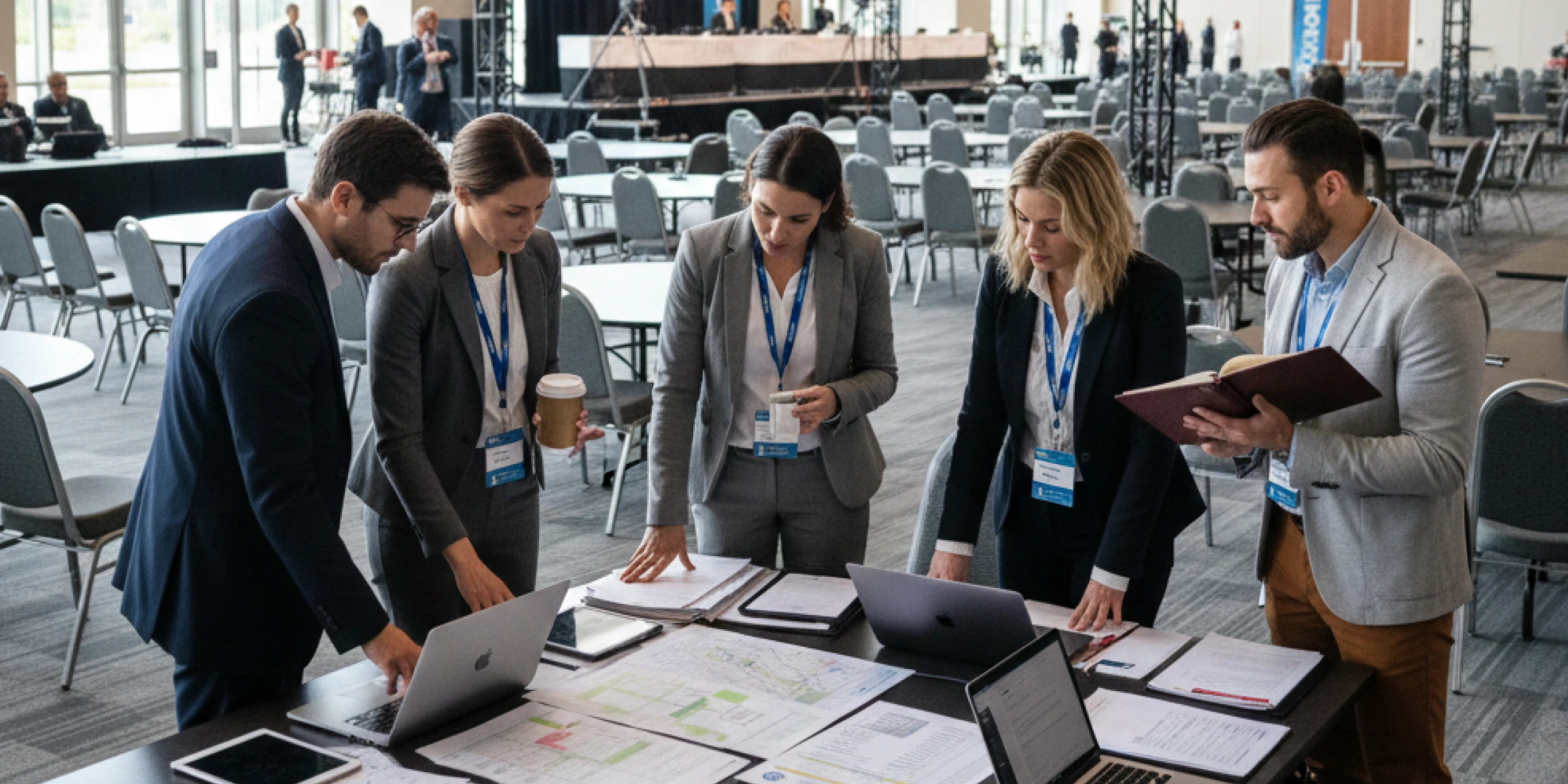
A Practical Guide to Planning Corporate Events and MICE Travel Without Overspending

7 min read
practical guide to planning corporate events and mice travel without overspending

Views: [post_views]

Planning corporate events has never been more important for organisations that want to strengthen culture, encourage collaboration, or showcase business achievements. Meetings, Incentives, Conferences, and Exhibitions (MICE) have become a core part of modern business strategy. Yet, as travel and hospitality costs climb each year, many finance and administration teams face a familiar challenge: how to host meaningful events without stretching the budget.

Most companies do not overspend because they lack discipline. They overspend because planning is fragmented across departments, information sits in silos, and small decisions pile up into large, unplanned expenses. With a clear framework and the right coordination tools, corporate events can be both memorable and financially controlled.

This guide walks through a detailed, practical structure for planning MICE travel and events in a way that balances experience with cost efficiency. Whether your organisation is arranging a major annual conference or a regional training workshop, these steps will help you build a more predictable programme.

Understanding the Landscape of MICE Travel

MICE travel today involves far more than securing a venue and booking flights. Teams must consider traveller preferences, vendor partnerships, compliance requirements, sustainability goals, and the financial impact of last-minute changes. A practical plan must account for these layers from the start.

understanding landscape of mice travel

Why MICE Activities Matter

Corporate events influence several areas of business performance:

  • Stronger relationships with clients and partners
  • Higher employee motivation and retention
  • Better knowledge sharing and cross-team alignment
  • Improved brand presence in local or global markets

When executed well, events help teams build trust faster than they can over virtual calls. For companies with large field forces or distributed offices, these gatherings often serve as a vital anchor for culture.

Why Costs Escalate Easily

Even skilled teams encounter cost overruns. Common reasons include:

  • Unclear approval processes
  • Multiple vendors negotiating separately
  • Late bookings and unplanned route changes
  • Poor visibility into negotiated rates
  • Fragmented communication between travel and events teams

These issues are manageable once planning follows a structured, transparent process.

Step 1: Begin With a Clear Objective and Budget Range

Every successful corporate event starts with clarity. Before comparing venues or selecting travel dates, define the event’s purpose in simple terms.

Set the Right Foundation

Ask:

  • What outcome should the event achieve?
  • Who must attend and why?
  • What activities are essential and what can be optional?

Once the objective is fixed, determine a realistic budget range rather than a rigid number. This helps teams remain flexible during negotiations without losing control.

Build a Preliminary Budget Outline

Create a list covering:

  • Venue rental
  • Travel bookings
  • Accommodation
  • Food and beverage
  • Event materials and technology
  • Ground transport
  • On-site staffing

This outline becomes a starting point for deeper planning.

Step 2: Choose Locations With Built-In Advantages

Where you host an event directly influences cost, engagement, and convenience. The ideal location balances accessibility and comfort without exceeding budget expectations.

Look for Natural Cost Savers

Select cities or regions that offer:

  • Multiple flight options
  • Competitive hotel pricing during your event dates
  • Good ground transportation networks


  • Availability of business-friendly venues

Avoid locations with major holidays, trade shows, or peak tourist seasons, as these often create price surges.

Assess Venue Value, Not Just Price

Hotels and convention centres often offer bundled packages that reduce overall spend. Compare:

  • Meeting room capacity
  • Audio-visual setup
  • Catering options
  • Flexibility in booking amendments
  • Complimentary inclusions for large groups

A well-structured package can often be more cost-effective than piecing services together from multiple vendors.

Step 3: Consolidate Bookings for Better Control and Pricing

One of the most effective ways to reduce MICE travel expenditure is through centralised booking. When all travel and accommodation passes through a single system, patterns become visible and savings become easier to capture.

The Value of Central Coordination

A unified system allows:

  • Real-time tracking of bookings
  • Faster approvals
  • Stronger rate negotiations
  • Better compliance
  • Reduced leakage from out-of-policy bookings

Teams also gain consistent communication and fewer errors caused by manual entry.

Automated Support Helps More Than You Expect

Modern platforms use intelligent search features to find optimal fares, flag unnecessary spending, and highlight better alternatives. Some go a step further by monitoring fares after ticketing and recommending rebooking when prices drop. Over several events, this approach can recover a noticeable part of the budget.

Subtle integrations like automated invoice collection, GST-ready documentation, and simplified expense reconciliation also help reduce administrative effort during and after the event.

Step 4: Establish a Clear Approval and Policy Structure

Without a defined policy, even the best planning falls apart. A practical policy does not restrict employees; it sets expectations that protect the company from unplanned spending.

Build a Structured Event Travel Policy

Include guidelines on:

  • Booking timelines
  • Preferred airlines and hotel chains
  • Class of travel for different seniority levels
  • Per-day expense thresholds
  • Rules for changes or cancellations

Keep the language simple and accessible. Complicated rules increase the likelihood of non-compliance.

Define an Approval Workflow

Whether approvals are routed through HR, admin, or finance, ensure the sequence is clear. Automated routing removes ambiguity and keeps the process consistent across regions.

establish clear approval and policy structure

Step 5: Align Travel, Events, Finance, and HR Teams Early

MICE planning involves multiple departments. When each operates independently, communication gaps lead to duplicated work or cost overruns.

Cross-team Collaboration Improves Outcomes

Create a shared dashboard or planning sheet that includes:

  • Booking status
  • Attendee lists
  • Budget progress
  • Vendor rates
  • On-site requirements

This provides visibility into every moving part.

Why Early Collaboration Matters

When finance teams understand expected spending patterns early, they can prevent overruns. When HR teams know the attendee profile in advance, they can plan itineraries and room allocations more accurately. When travel teams have a unified view of requirements, they secure better fares.

Step 6: Negotiate With Data, Not Guesswork

Data-backed negotiation is the strongest tool for controlling MICE costs. The more your organisation knows about its travel patterns, the more leverage it has with hotels, airlines, and other suppliers.

Look for Patterns Across Past Events

Analyse:

  • Average spend per attendee
  • Peak travel routes
  • Preferred hotel categories
  • Frequency of last-minute bookings
  • Savings lost due to cancellations

This information helps you negotiate contracted rates, complimentary services, or flexible policies that reduce financial risk.

Use Technology to Strengthen Vendor Discussions

Access to real-time dashboards, MIS reports, and consolidated invoices gives teams a solid foundation when discussing pricing with suppliers. The clarity builds trust and improves long-term relationships.

Step 7: Build Resilience Into Your Event Plan

Even well-planned events face disruptions. Flight delays, sudden weather changes, or venue adjustments can affect schedules. A strong plan anticipates these scenarios.

Prepare Backup Options

Keep a list of:

  • Alternate hotels
  • Replacement transport providers
  • Secondary meeting spaces
  • Emergency contacts

This preparation keeps events moving smoothly without inflated last-minute spending.

Support Travellers Throughout the Journey

Real-time notifications and reliable customer support help attendees navigate delays or itinerary changes quickly. With the right system in place, teams can resolve issues without long email threads or manual intervention.

Step 8: Evaluate Your Event With a Detailed Post-Analysis

A post-event review is the bridge between a good event and a great one. It helps teams refine their approach for the next cycle.

Create a Structured Review Template

Include:

  • Final budget vs. planned budget
  • Savings achieved
  • Vendor performance
  • Feedback from attendees
  • Travel exceptions and their causes
  • Administrative time spent on reconciliation

Store this information centrally so it becomes a reference for future planning.

Reward What Worked, Fix What Did Not

Some locations may consistently offer higher value. Some hotel chains may provide better service. Some processes may slow teams down. Recognising these patterns helps build a more reliable MICE programme over time.

Frequently Asked Questions

1. What does MICE stand for in corporate travel?

MICE refers to Meetings, Incentives, Conferences, and Exhibitions. These activities involve planned business gatherings that require organised travel and event support.

2. How can companies reduce MICE travel costs?

Companies can lower costs by centralising bookings, negotiating with data, selecting locations with cost advantages, and using automated tools that monitor fares and flag better options.

3. What should a corporate event travel policy include?

A practical policy covers booking timelines, preferred vendors, expense thresholds, approval rules, and guidelines for changes or cancellations.

4. Why is centralised travel management important for events?

Centralisation improves visibility, reduces duplicate work, strengthens rate negotiations, and helps teams maintain compliance.

5. How do technology platforms support MICE planning?

Modern systems simplify bookings, approvals, expense reconciliation, and vendor management. Real-time insights help teams maintain control and avoid unnecessary spending.

Make Your Next Corporate Event More Efficient

Corporate events do not have to strain your budget. With a structured process, smart negotiation, and the right technology to connect teams, you can host memorable and well-managed gatherings without overspending.

If your organisation is looking for a seamless way to coordinate travel, bookings, approvals, and event logistics in one place, reach out to explore how a unified platform can support your next MICE initiative.

Book a demo or connect with our team to learn more.

Planning corporate events has never been more important for organisations that want to strengthen culture, encourage collaboration, or showcase business achievements. Meetings, Incentives, Conferences, and Exhibitions (MICE) have become a core part of modern business strategy. Yet, as travel and hospitality costs climb each year, many finance and administration teams face a familiar challenge: how to host meaningful events without stretching the budget.

Most companies do not overspend because they lack discipline. They overspend because planning is fragmented across departments, information sits in silos, and small decisions pile up into large, unplanned expenses. With a clear framework and the right coordination tools, corporate events can be both memorable and financially controlled.

This guide walks through a detailed, practical structure for planning MICE travel and events in a way that balances experience with cost efficiency. Whether your organisation is arranging a major annual conference or a regional training workshop, these steps will help you build a more predictable programme.

Understanding the Landscape of MICE Travel

MICE travel today involves far more than securing a venue and booking flights. Teams must consider traveller preferences, vendor partnerships, compliance requirements, sustainability goals, and the financial impact of last-minute changes. A practical plan must account for these layers from the start.

understanding landscape of mice travel

Why MICE Activities Matter

Corporate events influence several areas of business performance:

  • Stronger relationships with clients and partners
  • Higher employee motivation and retention
  • Better knowledge sharing and cross-team alignment
  • Improved brand presence in local or global markets

When executed well, events help teams build trust faster than they can over virtual calls. For companies with large field forces or distributed offices, these gatherings often serve as a vital anchor for culture.

Why Costs Escalate Easily

Even skilled teams encounter cost overruns. Common reasons include:

  • Unclear approval processes
  • Multiple vendors negotiating separately
  • Late bookings and unplanned route changes
  • Poor visibility into negotiated rates
  • Fragmented communication between travel and events teams

These issues are manageable once planning follows a structured, transparent process.

Step 1: Begin With a Clear Objective and Budget Range

Every successful corporate event starts with clarity. Before comparing venues or selecting travel dates, define the event’s purpose in simple terms.

Set the Right Foundation

Ask:

  • What outcome should the event achieve?
  • Who must attend and why?
  • What activities are essential and what can be optional?

Once the objective is fixed, determine a realistic budget range rather than a rigid number. This helps teams remain flexible during negotiations without losing control.

Build a Preliminary Budget Outline

Create a list covering:

  • Venue rental
  • Travel bookings
  • Accommodation
  • Food and beverage
  • Event materials and technology
  • Ground transport
  • On-site staffing

This outline becomes a starting point for deeper planning.

Step 2: Choose Locations With Built-In Advantages

Where you host an event directly influences cost, engagement, and convenience. The ideal location balances accessibility and comfort without exceeding budget expectations.

Look for Natural Cost Savers

Select cities or regions that offer:

  • Multiple flight options
  • Competitive hotel pricing during your event dates
  • Good ground transportation networks


  • Availability of business-friendly venues

Avoid locations with major holidays, trade shows, or peak tourist seasons, as these often create price surges.

Assess Venue Value, Not Just Price

Hotels and convention centres often offer bundled packages that reduce overall spend. Compare:

  • Meeting room capacity
  • Audio-visual setup
  • Catering options
  • Flexibility in booking amendments
  • Complimentary inclusions for large groups

A well-structured package can often be more cost-effective than piecing services together from multiple vendors.

Step 3: Consolidate Bookings for Better Control and Pricing

One of the most effective ways to reduce MICE travel expenditure is through centralised booking. When all travel and accommodation passes through a single system, patterns become visible and savings become easier to capture.

The Value of Central Coordination

A unified system allows:

  • Real-time tracking of bookings
  • Faster approvals
  • Stronger rate negotiations
  • Better compliance
  • Reduced leakage from out-of-policy bookings

Teams also gain consistent communication and fewer errors caused by manual entry.

Automated Support Helps More Than You Expect

Modern platforms use intelligent search features to find optimal fares, flag unnecessary spending, and highlight better alternatives. Some go a step further by monitoring fares after ticketing and recommending rebooking when prices drop. Over several events, this approach can recover a noticeable part of the budget.

Subtle integrations like automated invoice collection, GST-ready documentation, and simplified expense reconciliation also help reduce administrative effort during and after the event.

Step 4: Establish a Clear Approval and Policy Structure

Without a defined policy, even the best planning falls apart. A practical policy does not restrict employees; it sets expectations that protect the company from unplanned spending.

Build a Structured Event Travel Policy

Include guidelines on:

  • Booking timelines
  • Preferred airlines and hotel chains
  • Class of travel for different seniority levels
  • Per-day expense thresholds
  • Rules for changes or cancellations

Keep the language simple and accessible. Complicated rules increase the likelihood of non-compliance.

Define an Approval Workflow

Whether approvals are routed through HR, admin, or finance, ensure the sequence is clear. Automated routing removes ambiguity and keeps the process consistent across regions.

establish clear approval and policy structure

Step 5: Align Travel, Events, Finance, and HR Teams Early

MICE planning involves multiple departments. When each operates independently, communication gaps lead to duplicated work or cost overruns.

Cross-team Collaboration Improves Outcomes

Create a shared dashboard or planning sheet that includes:

  • Booking status
  • Attendee lists
  • Budget progress
  • Vendor rates
  • On-site requirements

This provides visibility into every moving part.

Why Early Collaboration Matters

When finance teams understand expected spending patterns early, they can prevent overruns. When HR teams know the attendee profile in advance, they can plan itineraries and room allocations more accurately. When travel teams have a unified view of requirements, they secure better fares.

Step 6: Negotiate With Data, Not Guesswork

Data-backed negotiation is the strongest tool for controlling MICE costs. The more your organisation knows about its travel patterns, the more leverage it has with hotels, airlines, and other suppliers.

Look for Patterns Across Past Events

Analyse:

  • Average spend per attendee
  • Peak travel routes
  • Preferred hotel categories
  • Frequency of last-minute bookings
  • Savings lost due to cancellations

This information helps you negotiate contracted rates, complimentary services, or flexible policies that reduce financial risk.

Use Technology to Strengthen Vendor Discussions

Access to real-time dashboards, MIS reports, and consolidated invoices gives teams a solid foundation when discussing pricing with suppliers. The clarity builds trust and improves long-term relationships.

Step 7: Build Resilience Into Your Event Plan

Even well-planned events face disruptions. Flight delays, sudden weather changes, or venue adjustments can affect schedules. A strong plan anticipates these scenarios.

Prepare Backup Options

Keep a list of:

  • Alternate hotels
  • Replacement transport providers
  • Secondary meeting spaces
  • Emergency contacts

This preparation keeps events moving smoothly without inflated last-minute spending.

Support Travellers Throughout the Journey

Real-time notifications and reliable customer support help attendees navigate delays or itinerary changes quickly. With the right system in place, teams can resolve issues without long email threads or manual intervention.

Step 8: Evaluate Your Event With a Detailed Post-Analysis

A post-event review is the bridge between a good event and a great one. It helps teams refine their approach for the next cycle.

Create a Structured Review Template

Include:

  • Final budget vs. planned budget
  • Savings achieved
  • Vendor performance
  • Feedback from attendees
  • Travel exceptions and their causes
  • Administrative time spent on reconciliation

Store this information centrally so it becomes a reference for future planning.

Reward What Worked, Fix What Did Not

Some locations may consistently offer higher value. Some hotel chains may provide better service. Some processes may slow teams down. Recognising these patterns helps build a more reliable MICE programme over time.

Frequently Asked Questions

1. What does MICE stand for in corporate travel?

MICE refers to Meetings, Incentives, Conferences, and Exhibitions. These activities involve planned business gatherings that require organised travel and event support.

2. How can companies reduce MICE travel costs?

Companies can lower costs by centralising bookings, negotiating with data, selecting locations with cost advantages, and using automated tools that monitor fares and flag better options.

3. What should a corporate event travel policy include?

A practical policy covers booking timelines, preferred vendors, expense thresholds, approval rules, and guidelines for changes or cancellations.

4. Why is centralised travel management important for events?

Centralisation improves visibility, reduces duplicate work, strengthens rate negotiations, and helps teams maintain compliance.

5. How do technology platforms support MICE planning?

Modern systems simplify bookings, approvals, expense reconciliation, and vendor management. Real-time insights help teams maintain control and avoid unnecessary spending.

Make Your Next Corporate Event More Efficient

Corporate events do not have to strain your budget. With a structured process, smart negotiation, and the right technology to connect teams, you can host memorable and well-managed gatherings without overspending.

If your organisation is looking for a seamless way to coordinate travel, bookings, approvals, and event logistics in one place, reach out to explore how a unified platform can support your next MICE initiative.

Book a demo or connect with our team to learn more.

Add a Comment

Your email address will not be published. Required fields are marked *