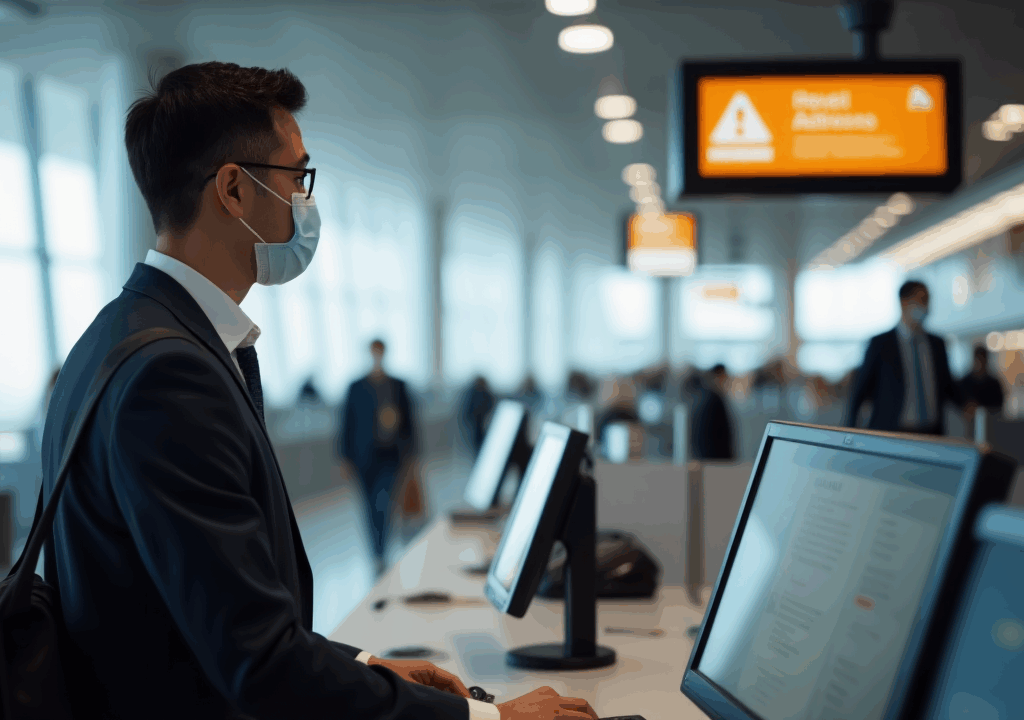


How Corporate Travel Impacts Employee Productivity

How Corporate Travel Impacts Employee Productivity (and What You Can Do About It)

Corporate travel is often seen as a necessary business expense – meetings, client visits, conferences, or project site inspections. But what many companies overlook is how travel itself impacts employees’ energy, focus, and productivity.

If travel is mismanaged, it can lead to fatigue, stress, missed deadlines, and even employee burnout. On the flip side, with the right processes and support in place, corporate travel can actually boost engagement, performance, and job satisfaction.

So, how exactly does business travel affect productivity, and what can companies do to minimize the downsides while amplifying the benefits? Let’s break it down.


The Productivity Challenges of Corporate Travel

1. Travel Fatigue and Jet Lag

Frequent travel disrupts sleep cycles. Crossing time zones or taking back-to-back late-night flights often leaves employees drained, impacting focus and decision-making the next day.

Example: An employee flying overnight for a client meeting may arrive groggy, underprepared, and unable to deliver their best work.

2. Time Lost in Transit

Hours spent at airports, sitting in traffic, or waiting for connections can add up quickly. Even when employees are working on laptops while traveling, productivity is rarely at its peak compared to their usual environment.

3. Disruptions to Routine

Travel often throws regular routines – meals, exercise, family time – out the window. This not only impacts physical health but also reduces overall morale.


4. Stress from Complex Booking Processes

Poorly managed travel policies and booking procedures can frustrate employees. When they’re forced to chase approvals or handle last-minute itinerary changes, it eats into valuable work hours.

5. Costs Hidden Beyond the Budget

Missed connections, policy leaks, and unmanaged expenses all add up. While this directly affects the company’s bottom line, it also creates extra admin work for employees, pulling them away from high-value tasks.


The Positive Side of Corporate Travel

Not all impacts are negative. In fact, when done right, travel can increase employee engagement and productivity.

  • Face-to-face collaboration: Meeting clients or colleagues in person often results in stronger relationships and faster decision-making.


  • Learning opportunities: Conferences and site visits expose employees to new trends and insights they can bring back to the team.


  • Motivation & recognition: Many employees see business travel as a recognition of their value, which boosts morale.


  • Break from routine: A change of environment can spark creativity and problem-solving.


The challenge lies in striking a balance: maximizing the benefits while reducing the stressors.



The Positive Side of Corporate Travel

How Companies Can Support Employee Productivity During Travel

1. Simplify the Booking Process

A clunky travel approval process eats into employees’ time. Instead, companies should adopt automated booking tools that allow employees to book flights, hotels, and cabs within policy – without endless email chains.

2. Provide Flexibility Within Policy

Strict travel policies can frustrate employees. Offering choices within budget and policy limits gives them control while ensuring compliance. For example, allowing them to pick a preferred flight time or hotel near the meeting venue.

3. Support Health and Well-being

Encourage practices like:

  • Booking direct flights instead of long layovers

  • Offering lounge access for rest between flights

  • Providing meal allowances that support healthy eating

  • Allowing downtime after red-eye flights before important meetings

4. Reduce Administrative Burden

Travel shouldn’t mean hours of expense reporting. Companies should use automated expense management systems that capture receipts and track spending in real-time. This way, employees can focus on core work instead of paperwork.

5. Prioritize Safety and Comfort

Employees are most productive when they feel safe and supported. This includes:

  • Having clear travel insurance policies

  • Offering emergency assistance

  • Choosing reliable hotel partners in safe areas

6. Measure Travel ROI (Beyond Costs)

Don’t just measure travel by how much it costs – evaluate the outcomes: Did the trip close a deal? Improve collaboration? Lead to learning that improved the team’s performance? This broader view helps justify travel and motivates employees by showing the impact of their efforts.


Case in Point: The Cost of Poorly Managed Travel

Consider this scenario: A sales executive takes a last-minute flight due to delayed approvals, arrives exhausted, and underperforms in a critical client pitch. Not only did the company spend more on a last-minute ticket, but the employee’s productivity (and potentially the deal) suffered.

Now imagine the opposite: The same trip booked through an automated tool with advance approval, giving the employee time to prepare and rest. The meeting goes well, and the deal closes. The difference? Smart travel management directly impacting productivity and outcomes.


Actionable Tips for Employees to Stay Productive While Traveling

Even with company support, employees can take steps to manage their own productivity:

  • Plan ahead: Review the agenda, meeting notes, and travel details in advance.

  • Leverage tech: Use productivity apps offline during flights.

  • Protect rest: Stick to sleep schedules and avoid overloading the itinerary.

  • Stay connected: Use company-approved communication tools to remain in sync with the team.

  • Set boundaries: Avoid working non-stop on travel days – downtime helps recharge.


Why Travel Management Platforms Are Game-Changers

Traditional travel management is filled with hidden inefficiencies: delayed approvals, manual reports, fragmented bookings. Modern solutions like AtYourPrice change the game by:

  • Automating bookings within company policy

  • Offering real-time expense visibility

  • Simplifying approvals with one-click workflows

  • Giving employees flexibility while controlling costs

With companies saving up to 22% on travel expenses, the productivity benefits extend not only to employees but also to finance and admin teams who no longer waste hours chasing approvals or reconciling reports.


Why Travel Management Platforms Are Game-Changers

Frequently Asked Questions (FAQ)

1. How does corporate travel affect employee productivity?
Business travel can boost collaboration and motivation but also leads to fatigue, stress, and time loss if not managed properly. A structured travel policy and the right tools minimize the negative impact.

2. What are common challenges employees face during business travel?
Challenges include travel fatigue, disrupted routines, booking hassles, safety concerns, and time wasted in transit.

3. Can corporate travel improve productivity?
Yes. When well-managed, travel can increase engagement, foster collaboration, and inspire creativity by breaking routine.

4. How can companies support employee well-being during travel?
By offering flexible options, prioritizing comfort and safety, reducing admin tasks with automation, and encouraging rest and healthy routines.

5. What role do travel management platforms play?
They streamline bookings, automate approvals, track expenses in real time, and give both employees and employers better control — resulting in cost savings and higher productivity.


Final Thoughts: Making Corporate Travel Work for Everyone

Corporate travel doesn’t have to be a drain on productivity. With the right systems, policies, and employee support, companies can turn travel into a strategic advantage rather than a burden.

If your organization still struggles with manual bookings, hidden costs, and employee frustration, it’s time to rethink your approach.


AtYourPrice helps businesses simplify corporate travel, cut unnecessary costs, and keep employees productive on the move.
Book a free demo today to see how you can transform the way your teams travel.


Duty of Care in Corporate Travel

Duty of Care in Corporate Travel: Protecting Employees on the Move

Business travel fuels growth. It strengthens client relationships, opens up new markets, and enables collaboration across geographies. But for every opportunity, there’s also a responsibility that companies cannot ignore: duty of care.

When employees are on the road, or in the air, the organization is accountable for their health, safety, and overall well-being. Yet, many businesses underestimate how complex duty of care becomes in the context of global travel. It’s not just about booking flights and hotels. It’s about making sure your people are supported, secure, and able to focus on their work without unnecessary risks.

This blog explores what duty of care means in corporate travel, why it matters, the common challenges companies face, and practical ways to implement it effectively.


What is Duty of Care in Business Travel?

At its core, duty of care is a legal and ethical obligation of employers to protect their employees from foreseeable risks while performing work-related tasks. In business travel, this means:

  • Ensuring safe travel arrangements

  • Providing access to reliable information about risks (political unrest, natural disasters, health advisories)

  • Offering emergency assistance and medical support

  • Tracking employee locations during trips

  • Creating clear protocols for crisis response

It’s not just a legal checkbox, it’s about building trust with your employees and showing them that their safety is valued as much as their productivity.


Why Duty of Care in Corporate Travel Matters More Than Ever

Global business travel is bouncing back strongly post-pandemic, but the risk landscape has evolved. Companies now face:

  • Health risks (pandemics, infectious disease outbreaks, medical emergencies abroad)

  • Geopolitical instability (strikes, protests, or political unrest)

  • Climate-related disruptions (flight cancellations due to extreme weather)

  • Personal safety threats (crime, theft, harassment, cultural misunderstandings)


Ignoring duty of care isn’t just risky, it can lead to legal consequences, reputational damage, and reduced employee morale. A traveler who feels unsupported is less likely to be engaged, productive, or loyal to the organization.

Why Duty of Care in Corporate Travel Matters More Than Ever...

Key Challenges Businesses Face with Duty of Care

Despite good intentions, many companies fall short in executing duty of care effectively. Here are some common gaps:

1. Fragmented Travel Booking

When employees book flights or hotels outside approved systems, companies lose visibility into where travelers are and whether bookings meet safety standards.

2. Lack of Real-Time Tracking

In a crisis, not knowing where your employees are is one of the biggest risks. Without location tracking, you cannot provide timely assistance.

3. Insufficient Risk Intelligence

Travel managers often lack access to up-to-date risk alerts for destinations, leaving travelers underprepared.

4. Limited Emergency Protocols

Not all organizations have a clear action plan for medical emergencies, evacuations, or sudden disruptions.

5. Compliance Gaps

Companies operating across multiple geographies must comply with varying labor and travel safety laws, something that’s hard to manage without the right tools.


Building an Effective Duty of Care Strategy for Business Travel

So, how can organizations create a robust framework that prioritizes employee well-being without overwhelming admin teams? Here’s a step-by-step approach.

1. Centralize Travel Bookings

  • Use a single corporate travel management platform to book flights, hotels, trains, and transfers.

  • Ensure policies are built into the system so all bookings automatically comply with safety and budget guidelines.

  • Centralized data allows for better oversight and faster response during emergencies.

2. Implement Traveler Tracking

  • Adopt solutions that allow travel managers to view where employees are at any given time.

  • Use GPS-enabled mobile apps to keep travelers connected.

  • Ensure travelers can “check in” digitally during key points in their journey.

3. Provide Risk Intelligence

  • Share pre-trip briefings about the destination (health, safety, cultural tips).

  • Subscribe to real-time risk alert services for weather disruptions, unrest, or travel advisories.

  • Offer clear guidelines for what employees should do if they encounter unexpected risks.

4. Establish Clear Emergency Protocols

  • Have a 24/7 support hotline or partner with a provider who can deliver medical and logistical help globally.

  • Define evacuation procedures and ensure employees know the process.

  • Train managers and travelers on emergency protocols through workshops or e-learning.

5. Automate Policy Compliance

  • Configure policies in your booking platform (e.g., preferred airlines, hotel safety standards, fare caps).

  • Flag or block non-compliant bookings before they’re finalized.

  • Monitor adherence with detailed travel reports and dashboards.

6. Foster a Culture of Care

  • Communicate regularly with employees about the resources available to them.

  • Encourage feedback after trips to identify potential gaps in support.

  • Make duty of care a shared priority between HR, finance, and travel teams, not just a travel manager’s responsibility.


Technology’s Role in Duty of Care

Manual processes aren’t enough. Technology bridges the gap between intent and execution. The right travel management platform can:

  • Automate duty of care tasks like compliance checks and real-time location tracking.

  • Consolidate travel data so managers always know where employees are.

  • Integrate with expense systems to ensure accurate reporting.

  • Provide 24/7 support for travelers when they need it most.

This is where modern platforms like AtYourPrice add immense value.


How AtYourPrice Supports Duty of Care

AtYourPrice isn’t just about saving companies money, it’s about ensuring safe, compliant, and efficient travel experiences. Here’s how it strengthens your duty of care framework:

  • Centralized bookings across flights, hotels, ground transport, and visas, ensuring no “off-channel” travel slips through.

  • Policy enforcement that stops non-compliant bookings before they happen.

  • Traveler tracking and reporting, giving managers real-time visibility into employee locations.

  • 24/7 global support so employees never feel stranded during disruptions.

  • Integrated GST-compliant expense management, reducing reconciliation headaches for finance teams.

  • Low Fare Search & Automation (LFSA) that not only saves costs but also ensures flexible rebooking during cancellations or delays.

By combining cost efficiency with robust risk management, AtYourPrice helps companies uphold their duty of care obligations while protecting their bottom line.


Duty of Care in Corporate Travel

FAQs on Duty of Care in Corporate Travel

1. What does duty of care mean for business travelers?
Duty of care refers to the employer’s legal and ethical responsibility to safeguard employees while they are traveling for work. This includes health, safety, and security measures.

2. Who is responsible for duty of care in an organization?
While HR and legal teams set the framework, travel managers, finance leaders, and direct supervisors all play a role in execution. Ultimately, the employer holds responsibility.

3. How can companies track employees during travel?
By centralizing bookings in a travel management system and using mobile apps with check-in features, companies can know where their travelers are in real time.

4. What happens if a company fails its duty of care obligations?
The company risks legal action, reputational harm, loss of employee trust, and potential financial penalties depending on the jurisdiction.

5. How can technology improve duty of care in business travel?
Technology automates compliance, tracks employees, provides risk alerts, and ensures 24/7 support—making it easier to manage obligations at scale.


Final Thoughts: Protecting People Protects Your Business

Duty of care in corporate travel is more than a compliance issue. It’s a strategic investment in your people. Employees who feel safe and supported travel more confidently, perform better, and remain loyal to their organization.

With risks in global mobility constantly shifting, companies need more than good intentions. They need structured policies, reliable processes, and the right tools.

That’s where AtYourPrice comes in—empowering businesses to deliver on their duty of care promises while optimizing travel budgets.

Ready to make corporate travel safer, smarter, and more cost-effective?
Book a free demo today and discover how AtYourPrice can help protect your people on the move.